Rice VS Meatballs
A detailed nutritional comparison
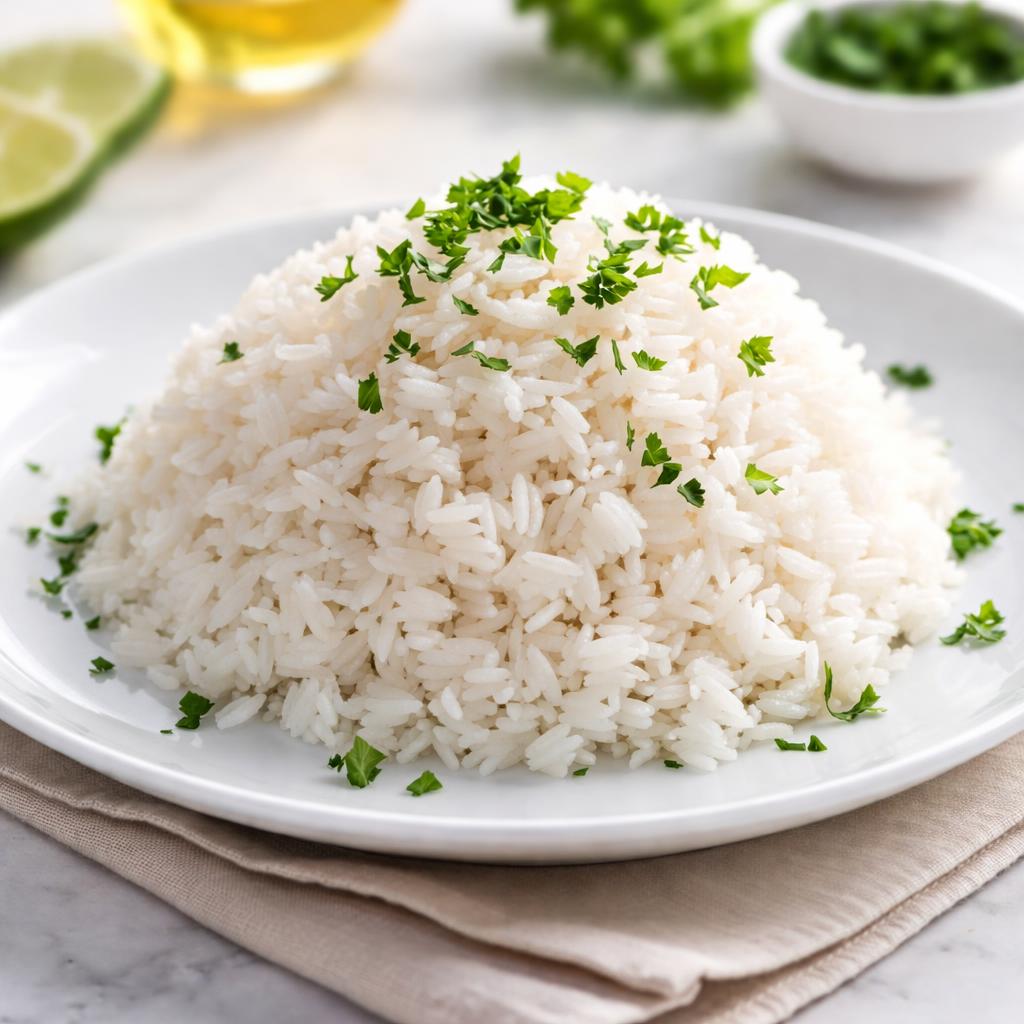
Rice
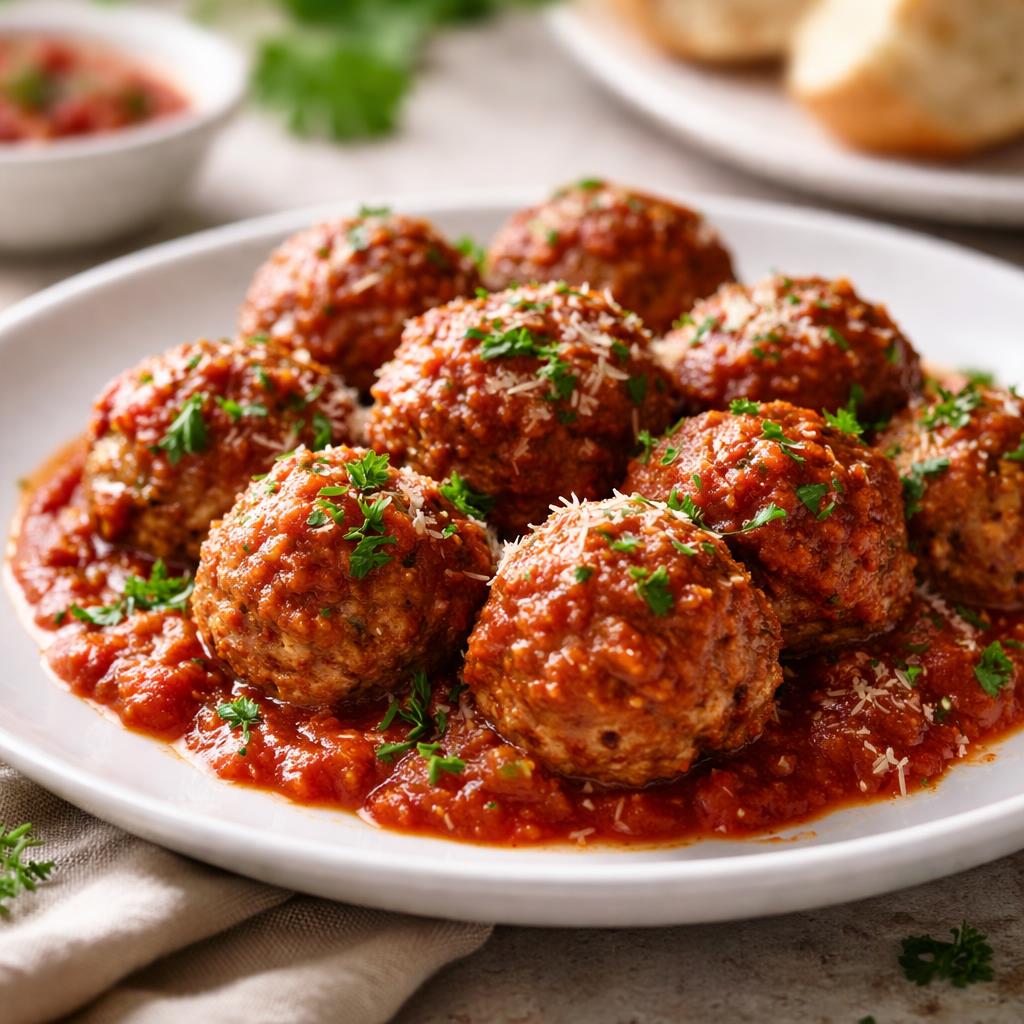
Meatballs
🎯 Quick Verdict
Rice is lower in calories and higher in fiber, making it a better option for weight control and digestion. Meatballs, on the other hand, are a protein-rich food that is ideal for muscle-building diets. Both offer distinct nutritional benefits depending on dietary needs and preferences.

Smart Nutrition Tracking with SnapCalorie

📊 Nutritional Comparison
Macronutrients
| Nutrient | Food 1 | Food 2 | Winner |
|---|---|---|---|
| Calories | 206 per cup | 250 per serving (4 meatballs) | ✓ |
| Protein | 4.3g | 17g | ✓ |
| Carbs | 45g | 6g | ✓ |
| Fat | 0.44g | 14g | ✓ |
| Fiber | 0.6g | 0g | ✓ |
Vitamins & Minerals
| Nutrient | Food 1 | Food 2 | Winner |
|---|---|---|---|
| Vitamin D | 0mcg | 1mcg | ✓ |
| Calcium | 13mg | 20mg | ✓ |
| Iron | 1.9mg | 2.5mg | ✓ |
🏆 Category Winners
Protein
Meatballs contain 17g of protein versus rice's 4.3g, making them a strong choice for protein.
Fiber
Rice provides 0.6g of fiber compared to 0g in meatballs.
Calories
Rice is lower in calories with 206 per cup versus 250 in meatballs.
Vitamins
Meatballs offer slightly higher amounts of calcium, iron, and vitamin D.
🥗 Diet Compatibility
Keto
Food 1: Not Compatible
Food 2: Compatible
Rice is high in carbs while meatballs are low-carb.
Vegan
Food 1: Compatible
Food 2: Not Compatible
Rice is plant-based, but meatballs typically contain animal products.
Gluten Free
Food 1: Compatible
Food 2: Depends
Rice is naturally gluten-free; meatballs may contain breadcrumbs depending on preparation.
Paleo
Food 1: Not Compatible
Food 2: Compatible
Rice is excluded from paleo diets while meatballs are generally allowed.
Low Carb
Food 1: Not Compatible
Food 2: Compatible
Rice is high in carbohydrates, unlike meatballs.
💪 Health Benefits Comparison
Food 1 Benefits
- Provides sustained energy due to complex carbohydrates.
- Low in fat and suitable for weight control.
- Contains small amounts of fiber for digestion.
Food 2 Benefits
- High protein content supports muscle growth and repair.
- Offers essential vitamins like iron and calcium for bone and blood health.
- Contains healthy fats for energy and satiety.
✅ The Bottom Line
Rice and meatballs have complementary strengths. Choose rice for energy and a lower-calorie base, or opt for meatballs for protein-rich diets and muscle support. Pairing these two foods can create a balanced meal ideal for various goals.
Choose Food 1 for: Weight control, energy supplies, vegan diets
Choose Food 2 for: Muscle gain, low-carb diets, paleo lifestyles


