Rice VS Martini
A detailed nutritional comparison
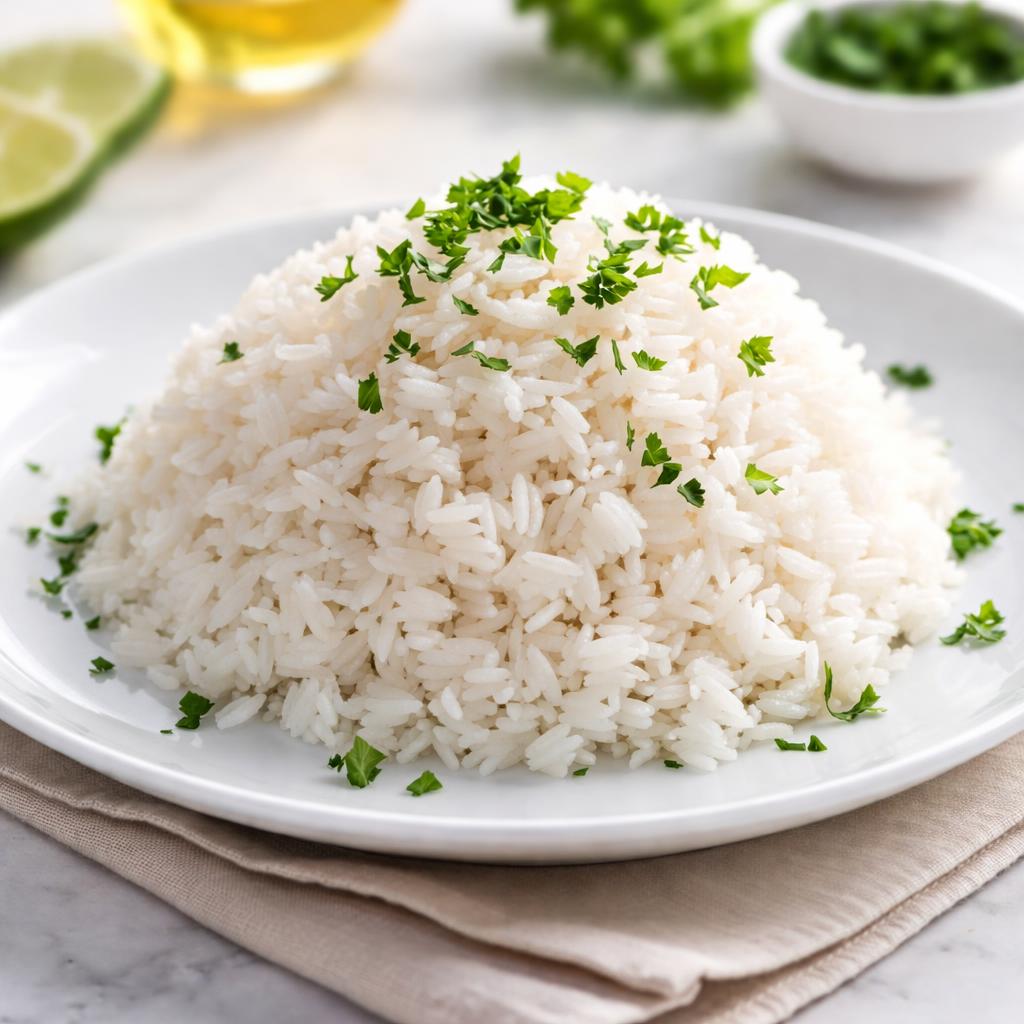
Rice
Martini
🎯 Quick Verdict
Rice and martinis differ significantly in their nutritional profiles. Rice is a carb-rich, nutrient-dense whole food suitable for energy, while martinis are calorie-dense alcoholic beverages with minimal nutrients. Rice is better for overall nutrition, but martinis might fit social occasions or unwind moments in moderation.

Smart Nutrition Tracking with SnapCalorie

📊 Nutritional Comparison
Macronutrients
| Nutrient | Food 1 | Food 2 | Winner |
|---|---|---|---|
| Calories | 205 | 160 | ✓ |
| Protein | 4.2g | 0g | ✓ |
| Carbs | 45g | 0g | ✓ |
| Fat | 0.4g | 0g | ✓ |
| Fiber | 0.6g | 0g | ✓ |
Vitamins & Minerals
| Nutrient | Food 1 | Food 2 | Winner |
|---|---|---|---|
| Vitamin D | 0mcg | 0mcg | − |
| Calcium | 14mg | 0mg | ✓ |
| Iron | 0.8mg | 0mg | ✓ |
🏆 Category Winners
Protein
Rice contributes 4.2g of protein per serving, while martini provides none.
Fiber
Rice contains some fiber (0.6g per serving) while martinis do not.
Calories
Martinis are lower in calories (160 vs rice's 205), but most come from alcohol.
Vitamins
Rice delivers small amounts of calcium and iron, while martinis contain no vitamins or minerals.
🥗 Diet Compatibility
Keto
Food 1: Not Compatible
Food 2: Compatible
Rice is high in carbs (45g per serving), martini is carb-free.
Vegan
Food 1: Compatible
Food 2: Compatible
Both are vegan-friendly.
Gluten Free
Food 1: Compatible
Food 2: Compatible
Neither contains gluten.
Paleo
Food 1: Not Compatible
Food 2: Not Compatible
Rice is a grain, and martini contains processed alcohol, which are avoided in paleo diets.
Low-Carb
Food 1: Not Compatible
Food 2: Compatible
Rice is carb-heavy (45g per serving), martini is carb-free.
💪 Health Benefits Comparison
Food 1 Benefits
- Provides a source of sustained energy from carbohydrates
- Contains small amounts of essential minerals like iron and calcium
- Low in fat, making it a heart-healthy option when eaten in moderation
Food 2 Benefits
- Alcohol can offer social relaxation if consumed in moderation
- Low carbohydrates for those watching carb intake
- Relatively lower calorie option compared to sugary cocktails
✅ The Bottom Line
Rice is the clear choice for its nutritional value and versatility in meals, providing sustained energy, small amounts of protein, fiber, and minerals. Martini, while lower in carbs, is nutritionally empty and should be consumed for occasional enjoyment rather than dietary benefits.
Choose Food 1 for: Energy-dense meals, moderate exercise fuel, everyday consumption
Choose Food 2 for: Social occasions, low-carb cocktail alternative


