Rice VS Japanese Sweet Potato
A detailed nutritional comparison
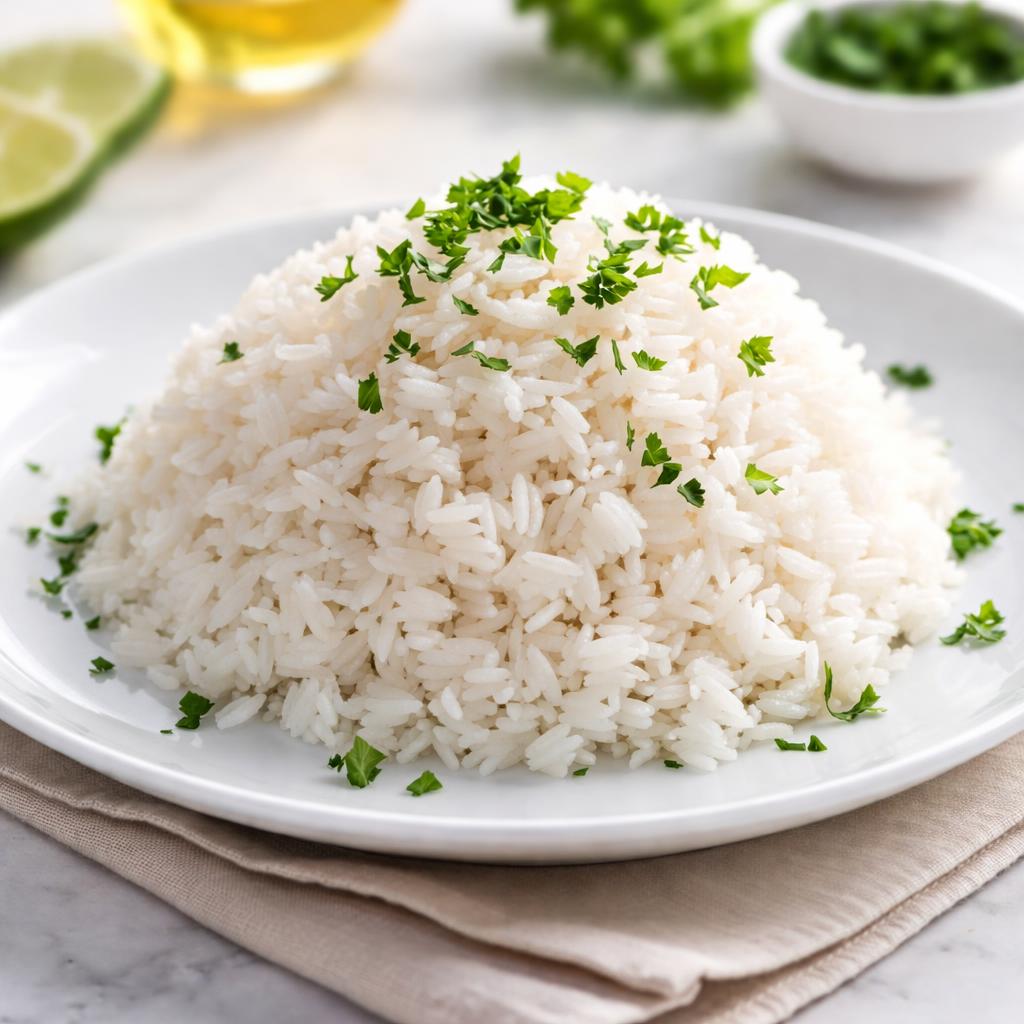
Rice
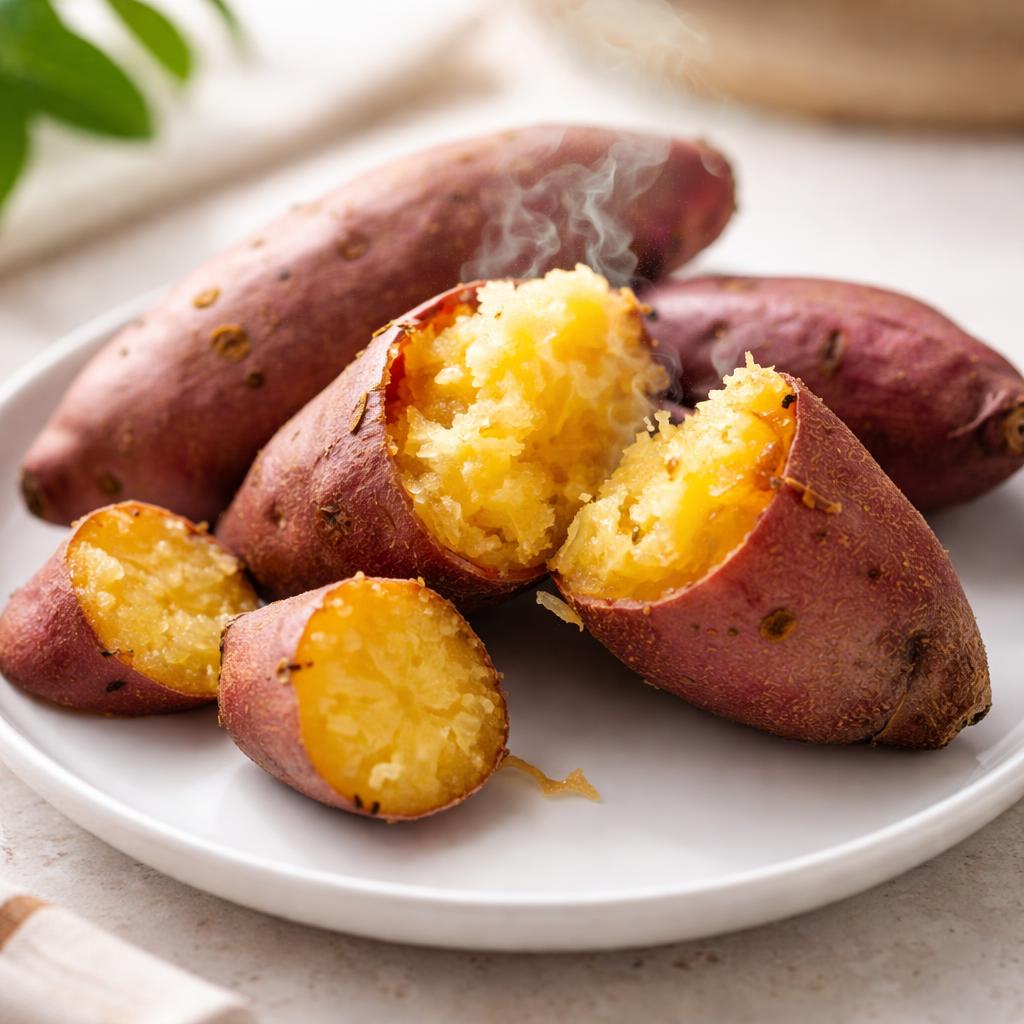
Japanese Sweet Potato
🎯 Quick Verdict
Japanese sweet potato outshines white rice nutritionally due to its higher fiber content and dense nutrient profile, including vitamins and minerals. Rice offers slightly more protein and is lower in calories, making it a good choice for energy-focused diets. Sweet potatoes are ideal for sustained energy and enhanced digestive health due to their fiber-rich nature.

Smart Nutrition Tracking with SnapCalorie

📊 Nutritional Comparison
Macronutrients
| Nutrient | Food 1 | Food 2 | Winner |
|---|---|---|---|
| Calories | 130 per cup (cooked) | 180 per cup (baked) | ✓ |
| Protein | 2.7g per cup | 2g per cup | ✓ |
| Carbs | 28.7g per cup | 41.4g per cup | ✓ |
| Fat | 0.3g per cup | 0.0g per cup | ✓ |
| Fiber | 0.4g per cup | 3.8g per cup | ✓ |
Vitamins & Minerals
| Nutrient | Food 1 | Food 2 | Winner |
|---|---|---|---|
| Vitamin C | 0mg | 12.8mg per cup | ✓ |
| Vitamin A | 0IU | 18881IU per cup | ✓ |
| Calcium | 10mg per cup | 40mg per cup | ✓ |
| Potassium | 35mg per cup | 438mg per cup | ✓ |
| Iron | 0.2mg per cup | 0.7mg per cup | ✓ |
🏆 Category Winners
Protein
Rice contains slightly more protein, making it favorable for protein-focused meals.
Fiber
Japanese sweet potato has nearly 10x the fiber of rice, promoting better digestive health.
Calories
Rice is lower in calories, making it more suitable for calorie-controlled diets.
Vitamins
Japanese sweet potato is rich in vitamin C, Vitamin A, and potassium, making it significantly more nutrient-dense.
🥗 Diet Compatibility
Keto
Food 1: Not Compatible
Food 2: Not Compatible
Both foods are high in carbohydrates and do not suit a keto diet.
Vegan
Food 1: Compatible
Food 2: Compatible
Both foods are plant-based.
Gluten Free
Food 1: Compatible
Food 2: Compatible
Neither food contains gluten.
Paleo
Food 1: Not Compatible
Food 2: Compatible
Rice is a cultivated grain, while Japanese sweet potato aligns with paleo principles due to its whole-food nature.
Low-Carb
Food 1: Not Compatible
Food 2: Not Compatible
Both foods are high in carbohydrates and do not fit low-carb diets.
💪 Health Benefits Comparison
Food 1 Benefits
- Lower in calories, supporting weight control
- Source of carbs for immediate energy needs
- Provides trace amounts of protein
Food 2 Benefits
- High fiber content aids digestion and gut health
- Rich in vitamin A for vision and immunity
- Contains potassium for electrolyte balance
- Provides sustained energy due to its complex carbs
✅ The Bottom Line
Choose rice for low-calorie, quick energy meals or protein-focused diets. Opt for Japanese sweet potato for higher fiber, sustained energy, and nutrient density, especially for digestion and long-term health benefits.
Choose Food 1 for: Weight control, quick energy meals, protein-focused diets
Choose Food 2 for: Fiber-rich diets, sustained energy, vitamin A and potassium intake


