Rice VS Instant Noodles
A detailed nutritional comparison
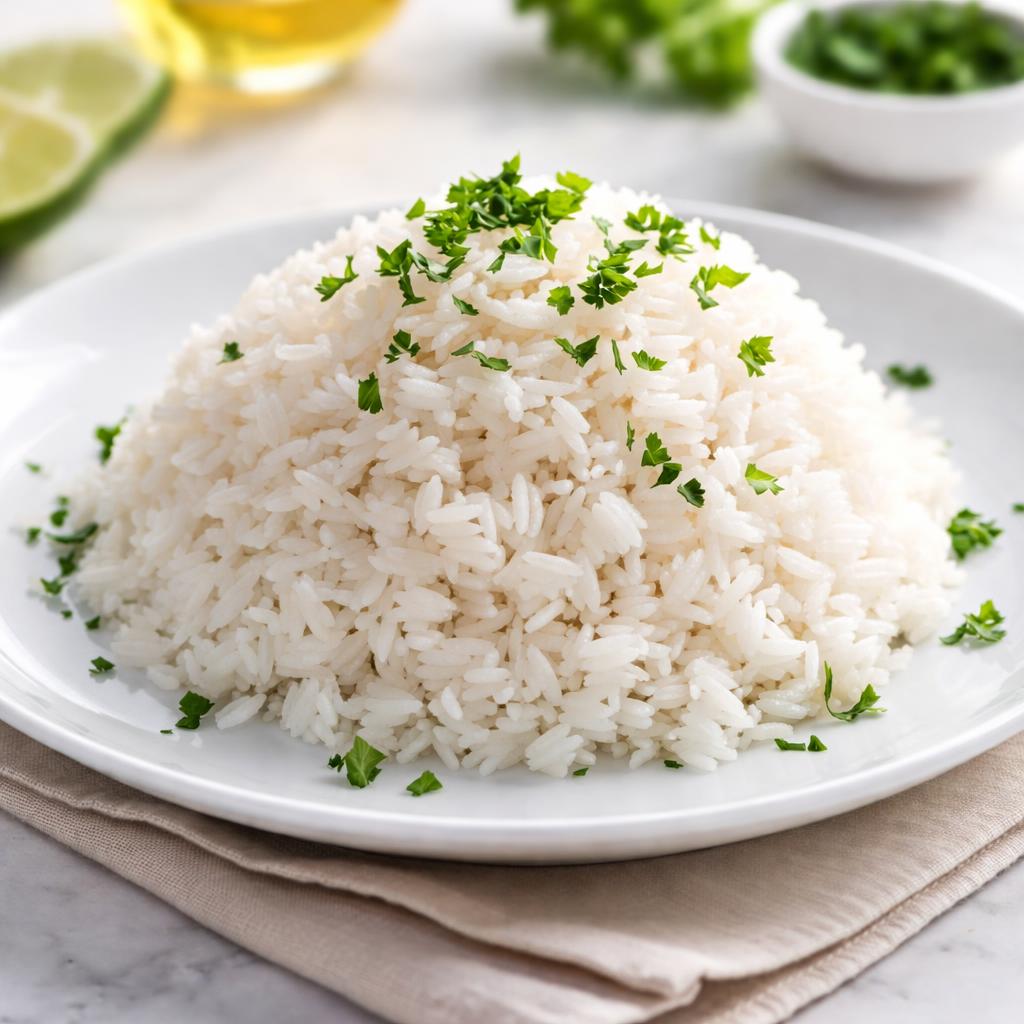
Rice
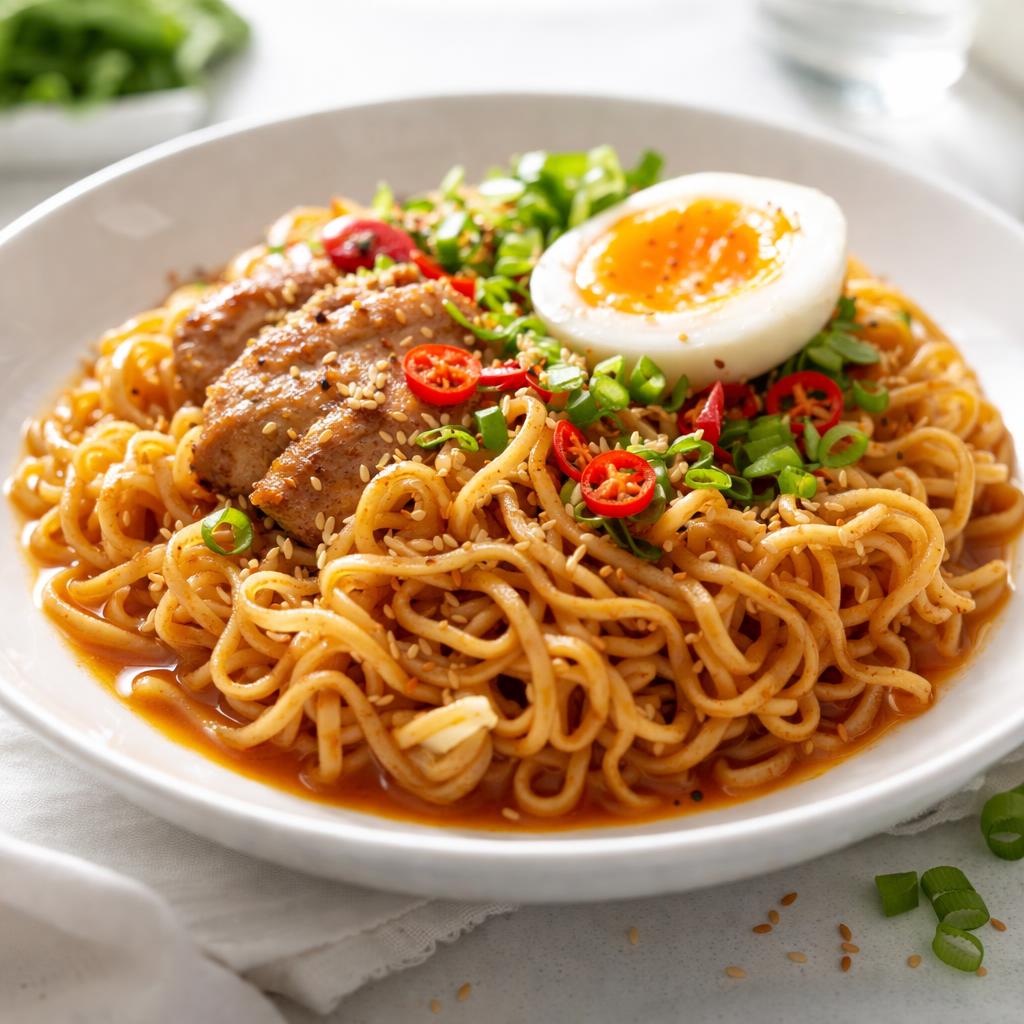
Instant Noodles
🎯 Quick Verdict
Rice is lower in calories and fat, making it a better option for weight management or low-fat diets. Instant noodles offer more protein and fiber but are often higher in sodium and unhealthy fats. Rice is versatile and ideal for those seeking a clean carbohydrate source, while instant noodles may suit quick meals but should be eaten sparingly due to processed ingredients.

Smart Nutrition Tracking with SnapCalorie

📊 Nutritional Comparison
Macronutrients
| Nutrient | Food 1 | Food 2 | Winner |
|---|---|---|---|
| Calories | 130 per 100g (cooked) | 200 per 100g (dry) | ✓ |
| Protein | 2.7g per 100g | 4g per 100g | ✓ |
| Carbohydrates | 28g per 100g | 27g per 100g | − |
| Fat | 0.3g per 100g | 7g per 100g | ✓ |
| Fiber | 0.4g per 100g | 1g per 100g | ✓ |
Vitamins & Minerals
| Nutrient | Food 1 | Food 2 | Winner |
|---|---|---|---|
| Vitamin D | 0mcg | 0mcg | − |
| Calcium | 10mg per 100g | 20mg per 100g | ✓ |
| Iron | 0.2mg per 100g | 2mg per 100g | ✓ |
🏆 Category Winners
Protein
Instant noodles have nearly 50% more protein than rice (per serving).
Fiber
Instant noodles provide over 2 times the fiber content of rice.
Calories
Rice has significantly fewer calories compared to instant noodles when cooked.
🥗 Diet Compatibility
Keto
Food 1: Not Compatible
Food 2: Not Compatible
Both are carbohydrate-rich and not suitable for keto diets.
Vegan
Food 1: Compatible
Food 2: Compatible
Both rice and plain instant noodles are plant-based.
Gluten Free
Food 1: Compatible
Food 2: Not Compatible
Rice is naturally gluten-free, while instant noodles may contain wheat-based ingredients.
Paleo
Food 1: Not Compatible
Food 2: Not Compatible
Neither processed instant noodles nor cultivated rice align with paleo principles.
Low Carb
Food 1: Not Compatible
Food 2: Not Compatible
Both foods are high in carbohydrates and unsuitable for low-carb diets.
💪 Health Benefits Comparison
Food 1 Benefits
- Low in fat and calories, supports weight management
- Gluten-free and suitable for gluten-sensitive individuals
- Provides clean and quick energy from carbohydrates
Food 2 Benefits
- Higher protein content to support muscle maintenance
- Contains small amounts of fiber for digestion
- Convenient and quick cooking for busy lifestyles
✅ The Bottom Line
Choose rice for its lower calorie content, simplicity, and versatility in healthy meals. Opt for instant noodles in moderation when convenience is key, but be cautious of their higher fat and sodium levels.
Choose Food 1 for: Weight loss, clean eating, energy source
Choose Food 2 for: Quick meals, higher protein content, occasional indulgence


