Rice VS Grilled Eel
A detailed nutritional comparison
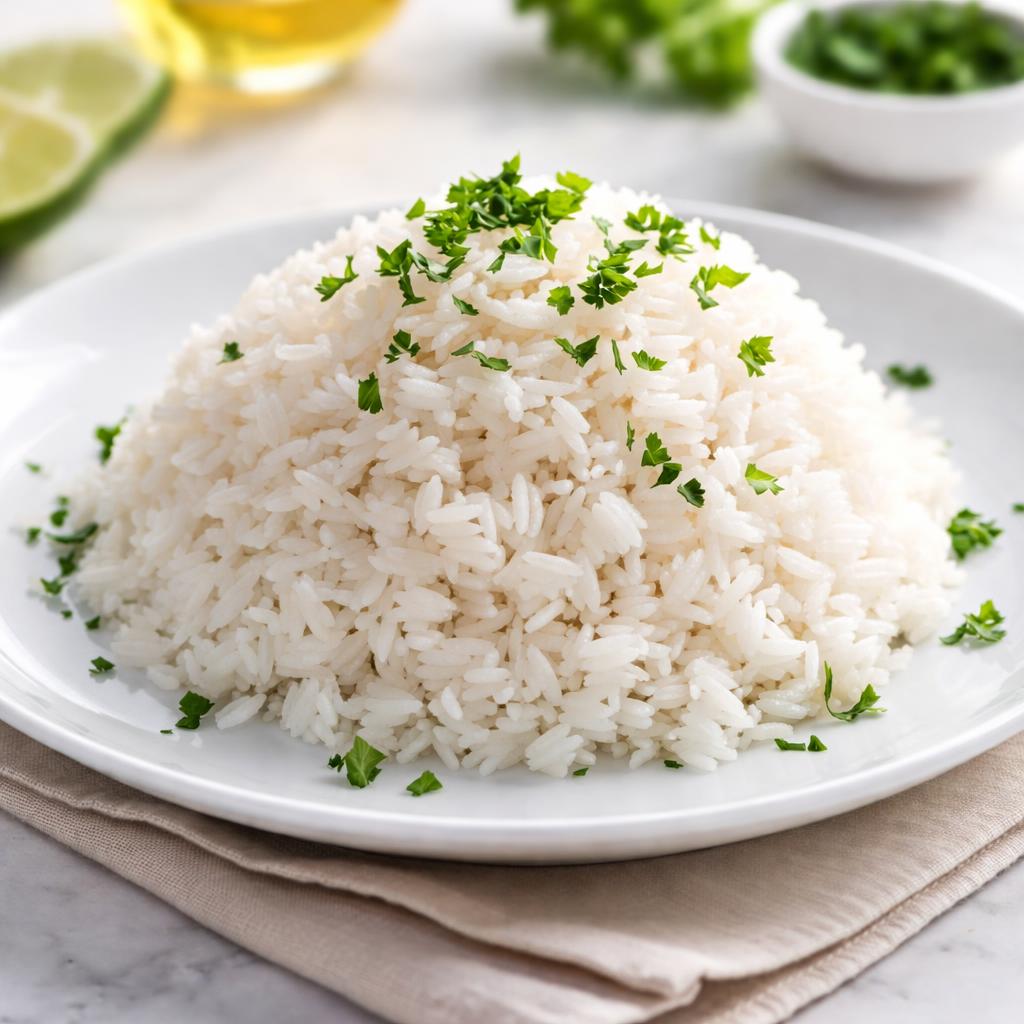
Rice
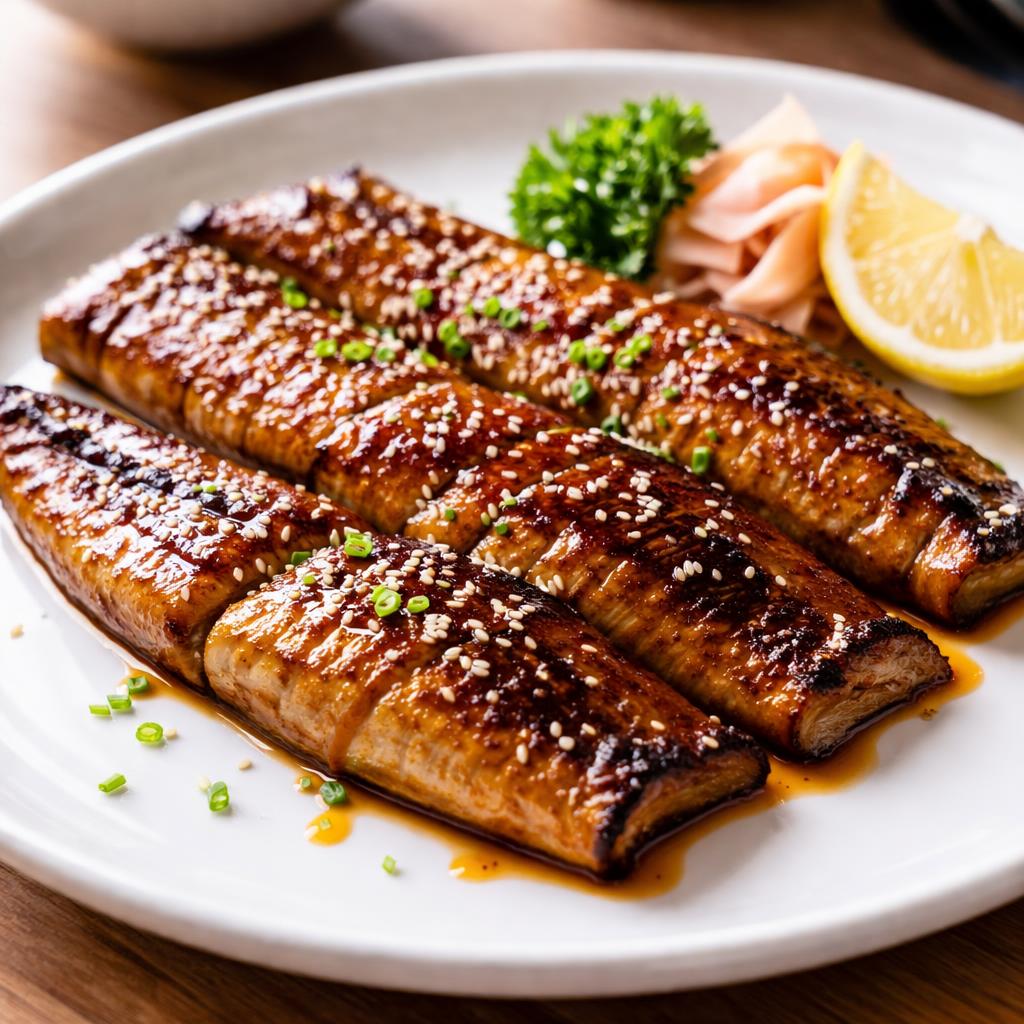
Grilled Eel
🎯 Quick Verdict
Rice is a lower-calorie, high-carb food that is perfect for sustained energy and fiber, while grilled eel is rich in protein, healthy fats, and essential vitamins like Vitamin D. Rice works well as a staple carbohydrate source, while grilled eel is ideal for nutrient density and muscle recovery after exercise.

Smart Nutrition Tracking with SnapCalorie

📊 Nutritional Comparison
Macronutrients
| Nutrient | Food 1 | Food 2 | Winner |
|---|---|---|---|
| Calories | 130 per 100g | 250 per 100g | ✓ |
| Protein | 2.7g per 100g | 20g per 100g | ✓ |
| Carbs | 28g per 100g | 0g per 100g | ✓ |
| Fat | 0.3g per 100g | 15g per 100g | ✓ |
| Fiber | 0.4g per 100g | 0g per 100g | ✓ |
Vitamins & Minerals
| Nutrient | Food 1 | Food 2 | Winner |
|---|---|---|---|
| Vitamin D | 0mcg | 20mcg | ✓ |
| Calcium | 10mg | 15mg | ✓ |
| Iron | 0.2mg | 1mg | ✓ |
🏆 Category Winners
Protein
Grilled eel has nearly 7.5 times more protein compared to rice.
Fiber
Rice contains dietary fiber while grilled eel has none.
Calories
Rice has about 48% fewer calories per serving.
Vitamins
Grilled eel is significantly richer in Vitamin D and other essential nutrients.
🥗 Diet Compatibility
Keto
Food 1: Not Compatible
Food 2: Compatible
Grilled eel is low-carb, while rice is primarily carbohydrates.
Vegan
Food 1: Compatible
Food 2: Not Compatible
Rice is plant-based, whereas grilled eel is animal-derived.
Gluten Free
Food 1: Compatible
Food 2: Compatible
Neither rice nor grilled eel contains gluten.
Paleo
Food 1: Not Compatible
Food 2: Compatible
Grilled eel aligns with paleo guidelines; rice does not.
Low-Carb
Food 1: Not Compatible
Food 2: Compatible
Rice is high in carbs; grilled eel contains zero carbohydrates.
💪 Health Benefits Comparison
Food 1 Benefits
- Acts as a quick energy source from complex carbohydrates
- Contains small amounts of fiber for digestion
- Versatile and inexpensive staple food
Food 2 Benefits
- High in protein for muscle growth and repair
- Rich in healthy fats, such as omega-3s, supporting brain and heart health
- Excellent source of Vitamin D and other essential nutrients
✅ The Bottom Line
Choose rice if you're looking for a lower-calorie, cost-effective carbohydrate source or need an energy boost for activities like endurance workouts. Opt for grilled eel when protein, healthy fats, and nutrient density are your priorities, especially for keto or paleo diets and muscle recovery.
Choose Food 1 for: Carbohydrate loading, budget-friendly meals, vegan diets
Choose Food 2 for: Muscle recovery, high-protein diets, nutrient-density focus


