Rice VS Green Tea
A detailed nutritional comparison
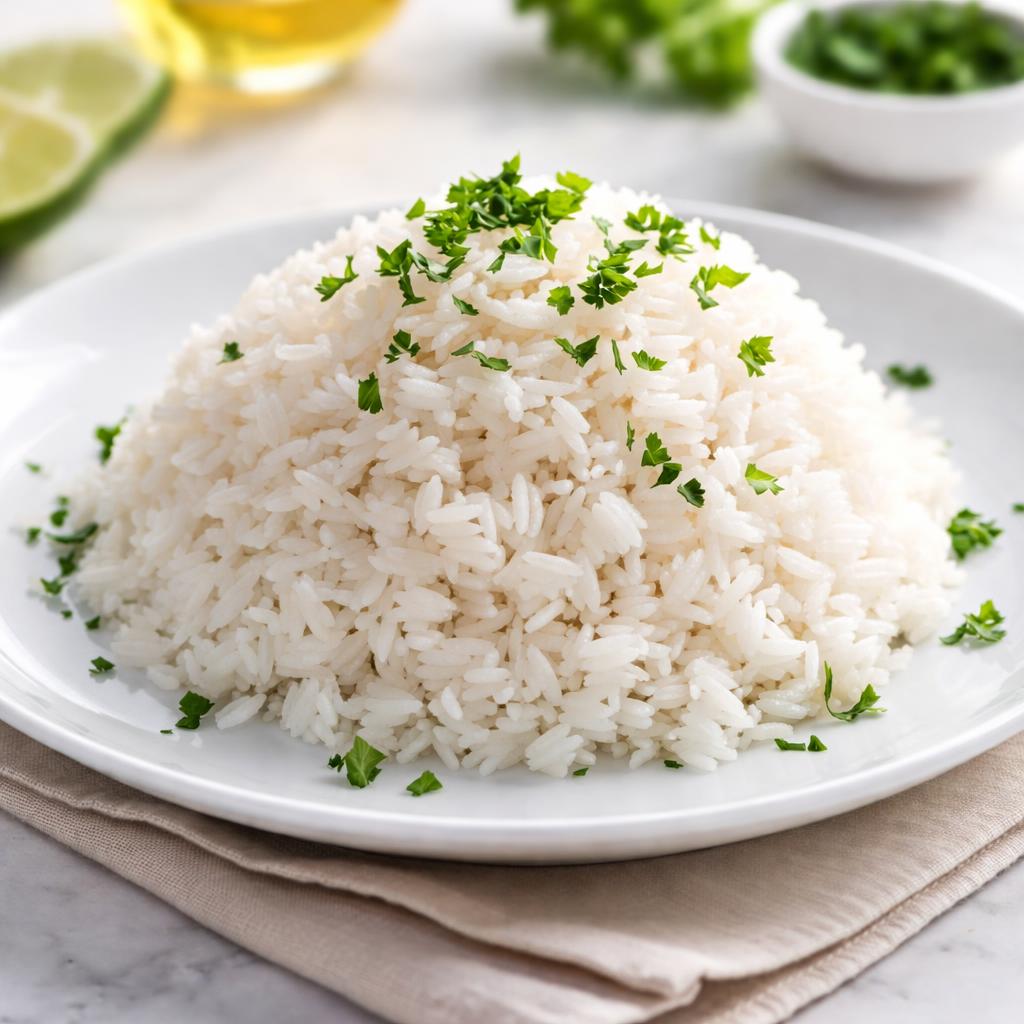
Rice
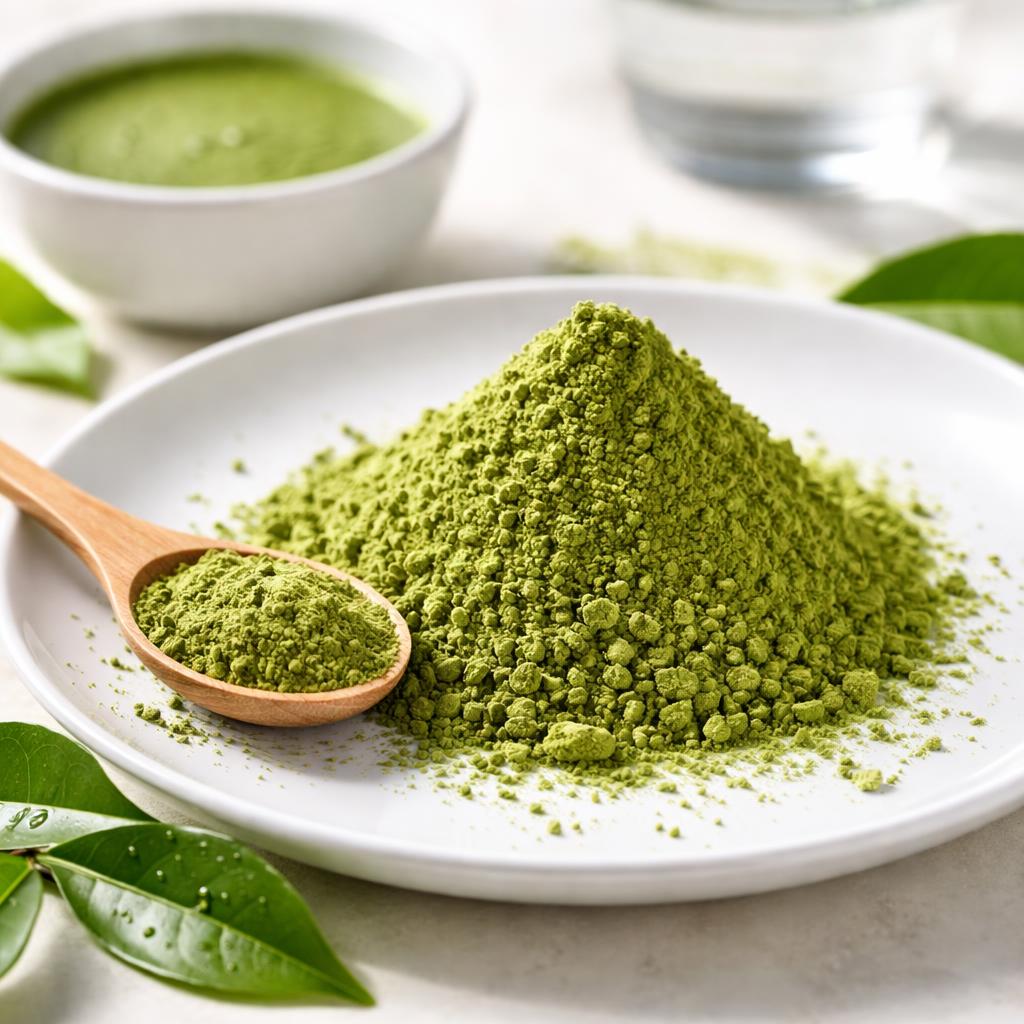
Green Tea
🎯 Quick Verdict
Rice is a calorie-dense carbohydrate source, with moderate protein and fiber, making it ideal for energy needs. Green tea, on the other hand, is virtually calorie-free, contains powerful antioxidants, and offers substantial health properties like aiding weight loss and improving heart health. Choose rice for physical energy and green tea for health benefits and low-calorie beverage options.

Smart Nutrition Tracking with SnapCalorie

📊 Nutritional Comparison
Macronutrients
| Nutrient | Food 1 | Food 2 | Winner |
|---|---|---|---|
| Calories | 130 (per 100g cooked) | 2 (per 100ml brewed) | ✓ |
| Protein | 2.7g | 0.2g | ✓ |
| Carbs | 28.2g | 0g | ✓ |
| Fat | 0.3g | 0g | ✓ |
| Fiber | 0.4g | 0g | ✓ |
Vitamins & Minerals
| Nutrient | Food 1 | Food 2 | Winner |
|---|---|---|---|
| Vitamin D | 0mcg | 0mcg | − |
| Calcium | 10mg | 5mg | ✓ |
| Iron | 0.2mg | 0.02mg | ✓ |
| Antioxidants (Catechins) | Negligible | High (60-100mg per 100ml) | ✓ |
🏆 Category Winners
Protein
Rice contains 2.7g of protein per 100g, far exceeding green tea's 0.2g.
Fiber
Rice contains dietary fiber, whereas green tea provides negligible amounts.
Calories
Green tea is nearly calorie-free, making it ideal for low-calorie diets.
Vitamins
Green tea provides unique antioxidants (catechins) with proven health benefits.
🥗 Diet Compatibility
Keto
Food 1: Not Compatible
Food 2: Compatible
Green tea has zero carbs, while rice is carb-heavy.
Vegan
Food 1: Compatible
Food 2: Compatible
Both foods are plant-based and vegan-friendly.
Gluten Free
Food 1: Compatible
Food 2: Compatible
Both rice and green tea are naturally gluten-free.
Paleo
Food 1: Compatible
Food 2: Compatible
Both fit within the paleo framework as natural, whole foods.
Low-Carb
Food 1: Not Compatible
Food 2: Compatible
Rice is high in carbs, while green tea has none.
💪 Health Benefits Comparison
Food 1 Benefits
- Provides energy and boosts physical performance due to carbohydrate content
- Easy to digest and gentle on the stomach
- Contains small amounts of B vitamins and minerals like manganese
Food 2 Benefits
- Rich in catechins and antioxidants for reducing oxidative stress
- May aid weight loss by boosting metabolism
- Supports heart health by improving blood flow and cholesterol profiles
- Contains natural compounds that enhance brain function
✅ The Bottom Line
Rice and green tea serve very different purposes nutritionally. Rice is suited for athletes, physical workers, or individuals needing energy-dense meals. Green tea is better for those focused on weight management, heart health, or antioxidant intake. Consider your dietary goals before making a choice.
Choose Food 1 for: Active lifestyles, physical energy, carbohydrate replenishment
Choose Food 2 for: Weight loss, heart health, antioxidant intake, low-calorie diets


