Rice VS Garlic Butter
A detailed nutritional comparison
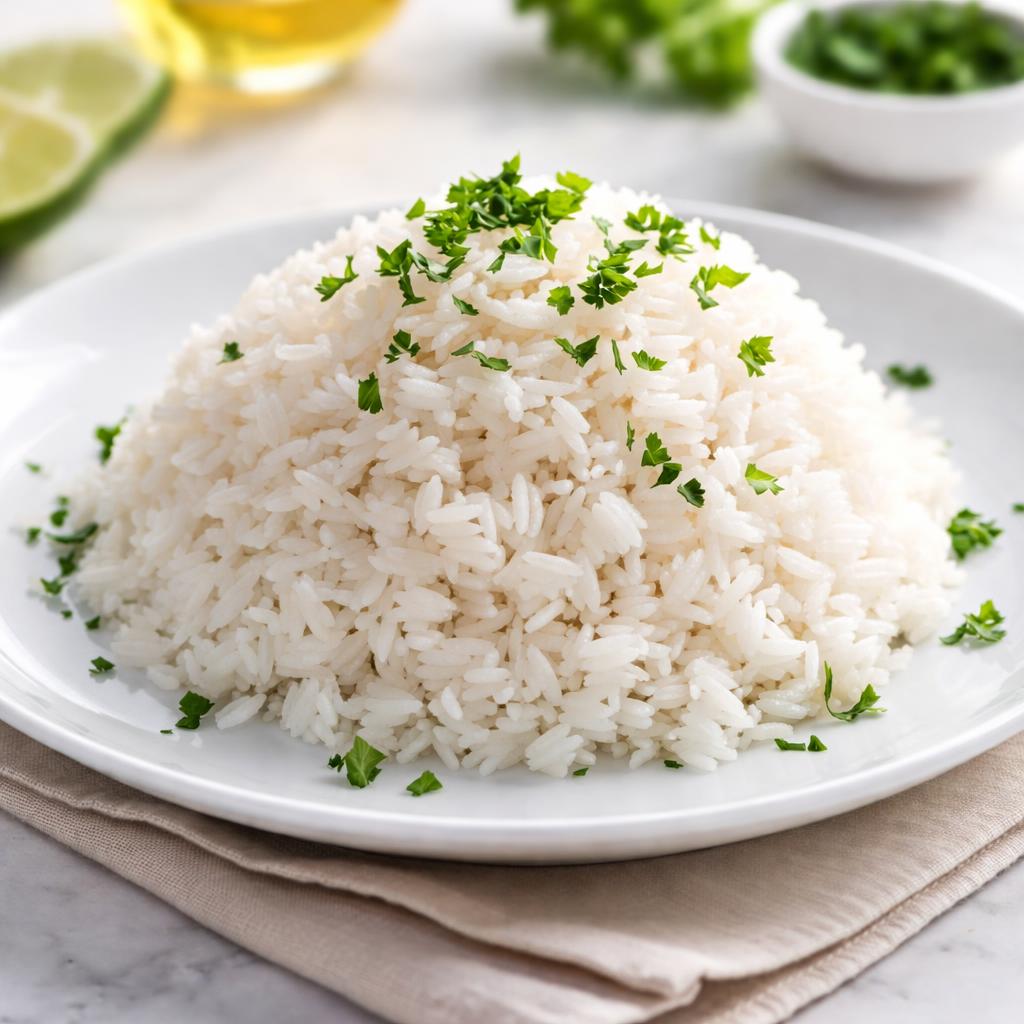
Rice
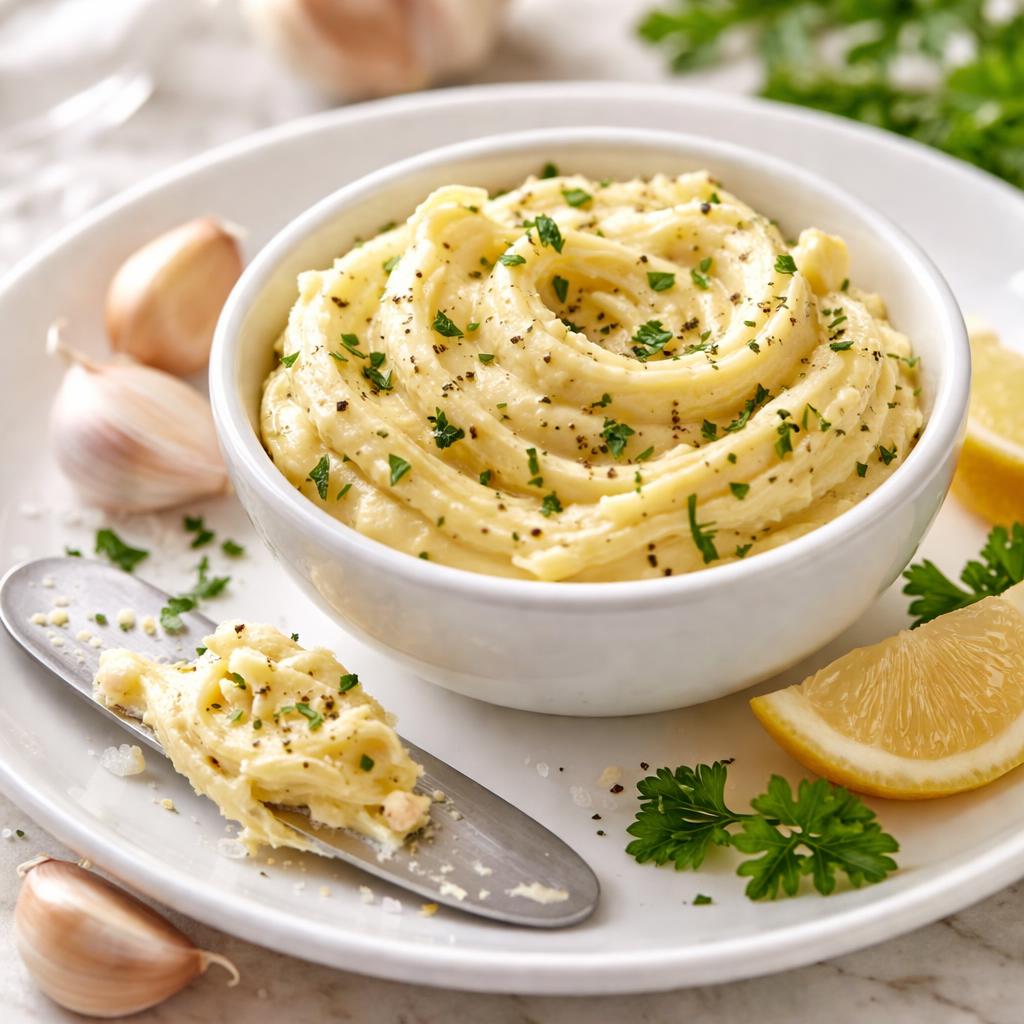
Garlic Butter
🎯 Quick Verdict
Rice is a low-calorie, high-carbohydrate grain that provides more fiber and protein per serving, making it a better choice for energy and digestion. Garlic butter, while higher in calories, contains beneficial fats and provides rich flavor, which makes it ideal for enhancing taste in meals but less suitable as a standalone nutrient-dense food choice.

Smart Nutrition Tracking with SnapCalorie

📊 Nutritional Comparison
Macronutrients
| Nutrient | Food 1 | Food 2 | Winner |
|---|---|---|---|
| Calories | 205 per cup (cooked) | 100 per tablespoon | − |
| Protein | 4.2g per cup | 0.1g per tablespoon | − |
| Carbs | 44.5g per cup | 0.1g per tablespoon | − |
| Fat | 0.4g per cup | 11g per tablespoon | − |
| Fiber | 0.6g per cup | 0g per tablespoon | − |
Vitamins & Minerals
| Nutrient | Food 1 | Food 2 | Winner |
|---|---|---|---|
| Vitamin D | 0mcg | 0mcg | − |
| Calcium | 16mg per cup | 20mg per tablespoon | − |
| Iron | 0.5mg per cup | 0mg per tablespoon | − |
🏆 Category Winners
Protein
Rice has significantly more protein than garlic butter.
Fiber
Rice contains fiber while garlic butter does not.
Calories
Rice has fewer calories per serving compared to garlic butter.
🥗 Diet Compatibility
Keto
Food 1: Not Compatible
Food 2: Compatible
Garlic butter is high-fat and suitable for keto, but rice is too high in carbs.
Vegan
Food 1: Compatible
Food 2: Not Compatible
Rice is plant-based while garlic butter contains dairy.
Gluten Free
Food 1: Compatible
Food 2: Compatible
Neither contains gluten.
Paleo
Food 1: Compatible
Food 2: Not Compatible
Rice fits paleo guidelines, but garlic butter does not due to dairy.
Low-Carb
Food 1: Not Compatible
Food 2: Compatible
Rice is carb-dense, whereas garlic butter is low-carb.
💪 Health Benefits Comparison
Food 1 Benefits
- Provides sustained energy due to complex carbohydrates
- Contains protein for maintenance and repair of body tissues
- Low-fat option for heart health
Food 2 Benefits
- Rich in healthy fats for energy and satiety
- Enhances flavor in meals, making dishes more satisfying
- Supplies small amounts of calcium for bone health
✅ The Bottom Line
Choose rice for sustained energy, higher protein and fiber content, and as a vegan-friendly, gluten-free option. Garlic butter is best for those seeking to add flavorful healthy fats to their diet, particularly those following keto or low-carb lifestyles.
Choose Food 1 for: Energy boost, vegan meals, digestion support
Choose Food 2 for: Flavor enhancement, keto diets, high-fat meal plans


