Rice VS Dal Makhani
A detailed nutritional comparison
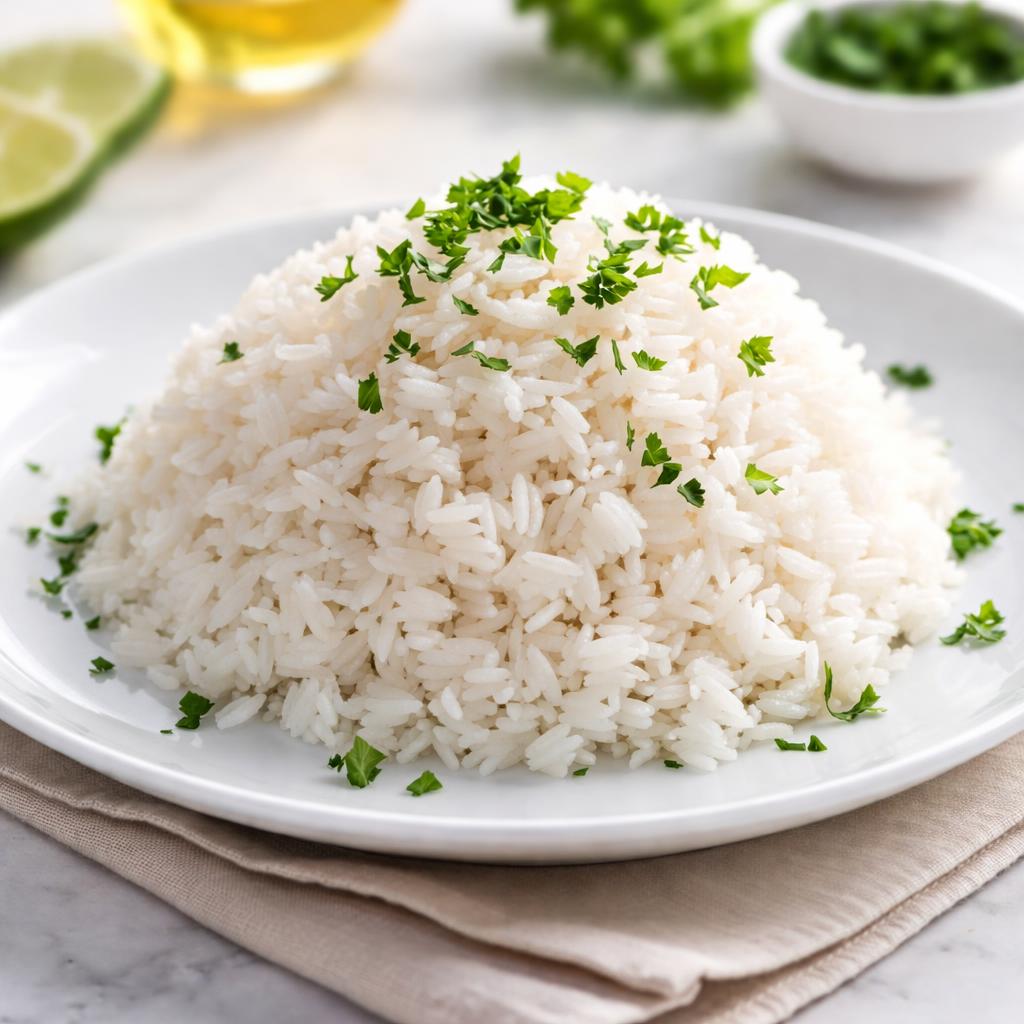
Rice
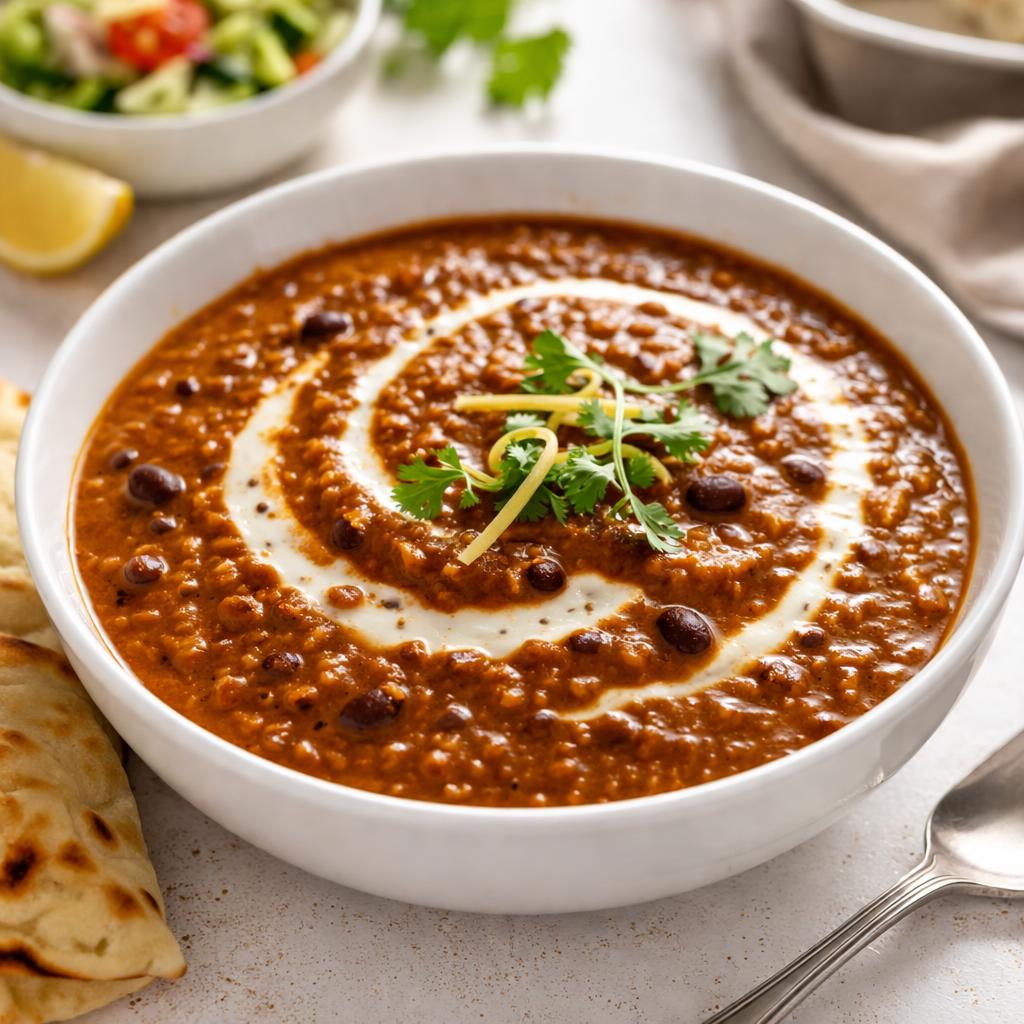
Dal Makhani
🎯 Quick Verdict
Dal makhani is more nutritionally dense than rice, offering significantly higher protein and fiber per serving, along with essential vitamins and minerals. Rice is lower in calories and carbohydrates, making it suitable for low-energy diets or as a complementary base in meals. Dal makhani is ideal as a nutrient-rich main dish, while rice is better for those prioritizing calorie control or energy needs during physical activity.

Smart Nutrition Tracking with SnapCalorie

📊 Nutritional Comparison
Macronutrients
| Nutrient | Food 1 | Food 2 | Winner |
|---|---|---|---|
| Calories | 130 kcal (1 cup cooked) | 280 kcal (1 cup cooked) | ✓ |
| Protein | 2.7g | 12g | ✓ |
| Carbs | 28g | 20g | ✓ |
| Fat | 0.3g | 13g | ✓ |
| Fiber | 0.6g | 5g | ✓ |
Vitamins & Minerals
| Nutrient | Food 1 | Food 2 | Winner |
|---|---|---|---|
| Vitamin A | 0 IU | 50 IU | ✓ |
| Iron | 0.2mg | 3.7mg | ✓ |
| Calcium | 10mg | 80mg | ✓ |
| Vitamin C | 0mg | 8mg | ✓ |
🏆 Category Winners
Protein
Dal makhani provides 4.5x more protein than rice per serving due to the lentils and cream content.
Fiber
Dal makhani offers over 8x the fiber compared to rice, promoting better digestion.
Calories
Rice has less than half the caloric content of dal makhani, making it better for calorie-controlled diets.
Vitamins
Dal makhani is richer in iron, calcium, vitamin C, and vitamin A, providing more micronutrient benefits.
🥗 Diet Compatibility
Keto
Food 1: Not Compatible
Food 2: Not Compatible
Both foods are high in carbohydrates and not suitable for keto diets.
Vegan
Food 1: Compatible
Food 2: Not Compatible
Rice is plant-based, while dal makhani often includes cream or butter, making it non-vegan unless specifically prepared vegan.
Gluten Free
Food 1: Compatible
Food 2: Compatible
Both rice and dal makhani are naturally gluten-free.
Paleo
Food 1: Not Compatible
Food 2: Not Compatible
Neither rice nor dal makhani aligns with strict paleo guidelines.
Low Carb
Food 1: Not Compatible
Food 2: Not Compatible
Both foods are relatively high in carbohydrates.
💪 Health Benefits Comparison
Food 1 Benefits
- Low in calories, making it suitable for calorie-controlled diets
- Simple and easily digestible carbohydrate source
- Gluten-free, ideal for individuals with gluten sensitivities
Food 2 Benefits
- Rich in protein, supporting muscle repair and maintenance
- High in fiber, aiding digestion and satiety
- Good source of iron, promoting healthy blood and energy levels
- Provides calcium and vitamin C, supporting bones and immunity
✅ The Bottom Line
Choose rice for low-calorie or carbohydrate-focused diets, especially when paired with nutrient-rich sides. Dal makhani is the better option for a protein-packed main dish, especially when nutritional density is a priority but be mindful of its higher calorie count.
Choose Food 1 for: Weight loss, light meals, quick-energy carbohydrate source
Choose Food 2 for: High-protein diets, nutrient-dense meals, vegetarian main courses


