Rice VS Dahi
A detailed nutritional comparison
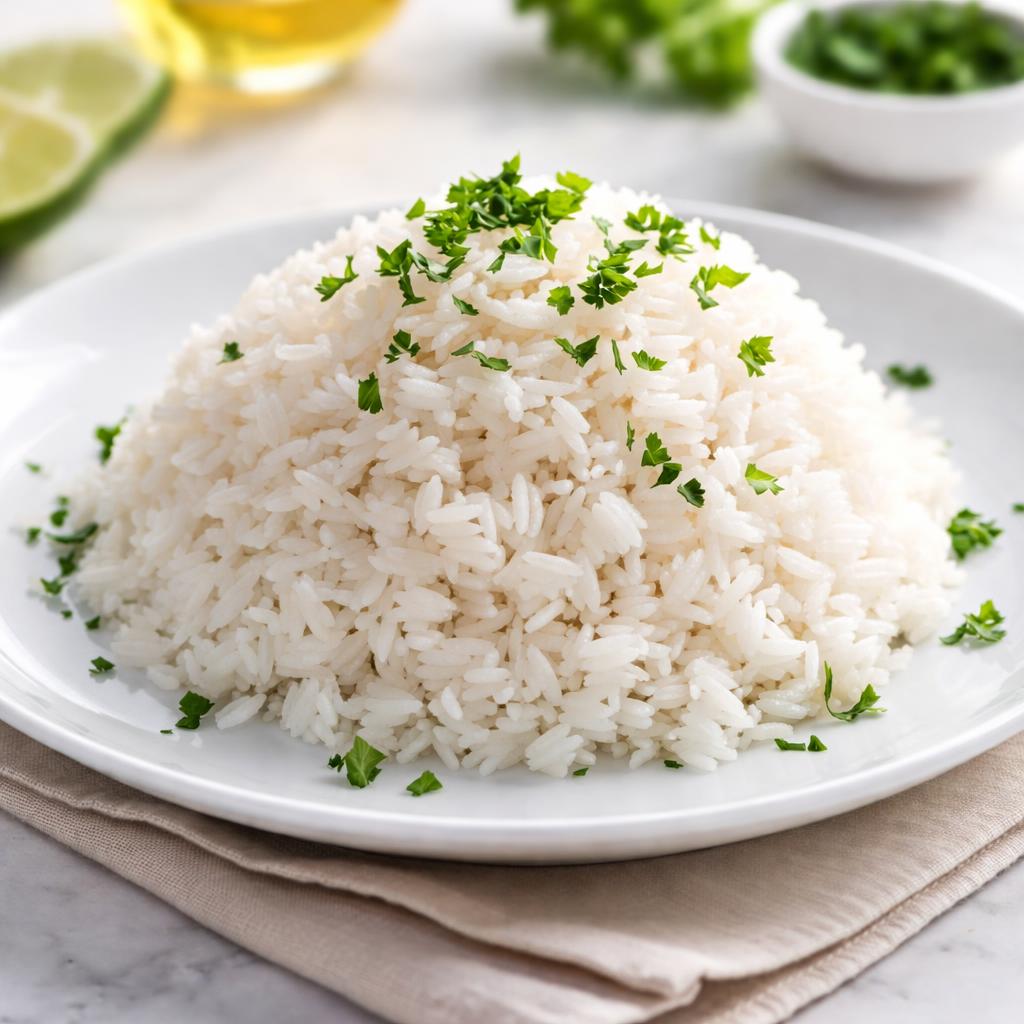
Rice
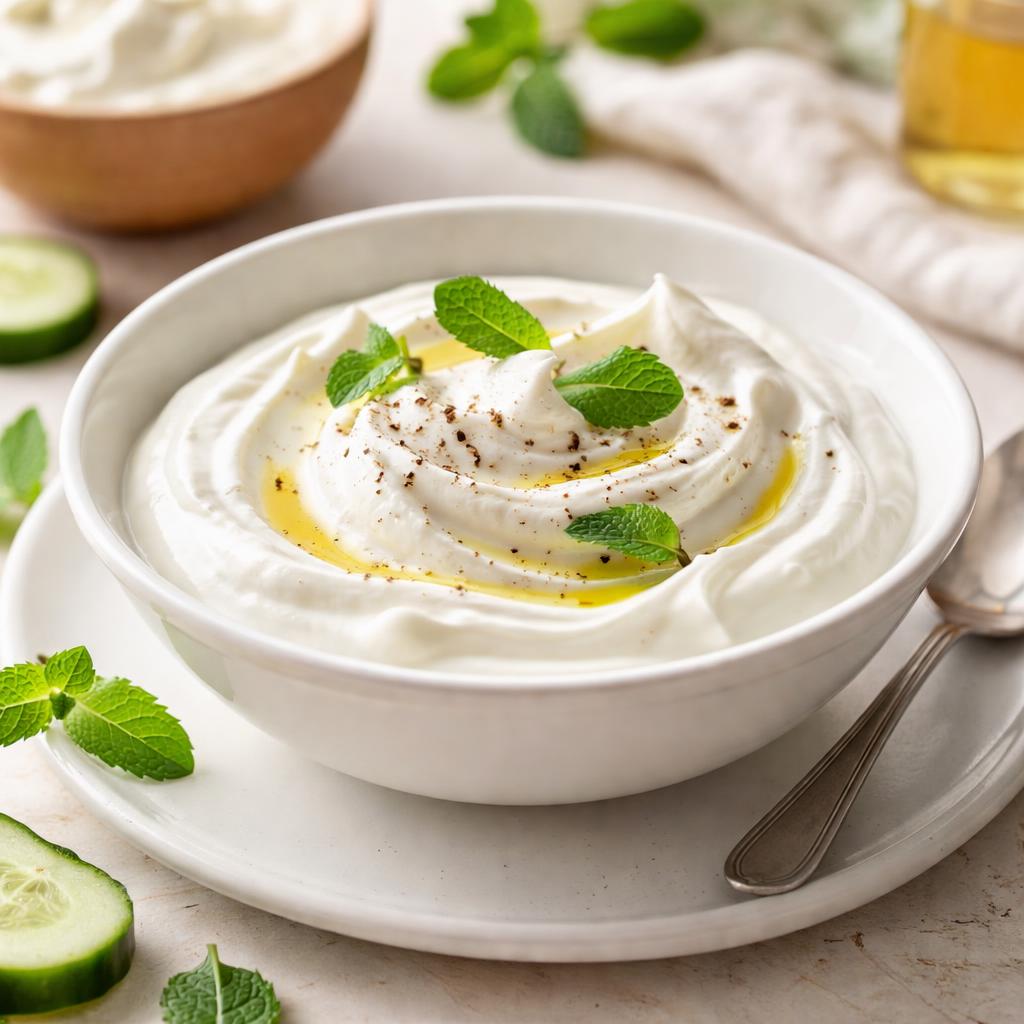
Dahi
🎯 Quick Verdict
Rice is a carbohydrate-rich food often used for energy and satiation, while dahi (yogurt) is protein-dense with probiotics that promote gut health. Rice is higher in fiber and carbs, whereas dahi provides more protein and fewer calories, making it ideal for weight management and digestion support.

Smart Nutrition Tracking with SnapCalorie

📊 Nutritional Comparison
Macronutrients
| Nutrient | Food 1 | Food 2 | Winner |
|---|---|---|---|
| Calories | 130 | 60 | ✓ |
| Protein | 2.7g | 3.5g | ✓ |
| Carbs | 28g | 4g | ✓ |
| Fat | 0.3g | 1.5g | ✓ |
| Fiber | 0.4g | 0g | ✓ |
Vitamins & Minerals
| Nutrient | Food 1 | Food 2 | Winner |
|---|---|---|---|
| Vitamin D | 0mcg | 0.2mcg | ✓ |
| Calcium | 10mg | 110mg | ✓ |
| Iron | 0.2mg | 0.03mg | ✓ |
🏆 Category Winners
Protein
Dahi has 30% more protein per serving than rice.
Fiber
Rice contains 0.4g of fiber per serving, while dahi contains none.
Calories
Dahi has less than half the calories of rice per serving.
Vitamins
Dahi is superior for Vitamin D and calcium content, essential for bone health.
🥗 Diet Compatibility
Keto
Food 1: Not Compatible
Food 2: Compatible
Rice is high-carb, while dahi is low-carb and fits keto guidelines.
Vegan
Food 1: Compatible
Food 2: Not Compatible
Rice is plant-based, whereas dahi is derived from dairy.
Gluten Free
Food 1: Compatible
Food 2: Compatible
Neither rice nor dahi contains gluten.
Paleo
Food 1: Compatible
Food 2: Compatible
Both rice and dahi align with paleo principles for whole foods.
Low-Carb
Food 1: Not Compatible
Food 2: Compatible
Rice is carb-heavy (28g) while dahi is lower in carbs (4g).
💪 Health Benefits Comparison
Food 1 Benefits
- Provides energy through complex carbohydrates
- Naturally gluten-free, suitable for sensitive diets
- Low in fat, great for a lighter meal option
Food 2 Benefits
- High in protein for muscle maintenance
- Contains probiotics that support gut health
- Excellent source of calcium for strong bones
✅ The Bottom Line
Choose rice if you need quick energy or a fiber-rich carb source. Opt for dahi if your goal is weight management, digestion support, or a high-protein food. Both foods can complement meals depending on dietary goals.
Choose Food 1 for: Energy boost, meals requiring a carb base, gluten-free diets
Choose Food 2 for: Weight loss, gut health, protein-rich snacks


