Rice VS Custard
A detailed nutritional comparison
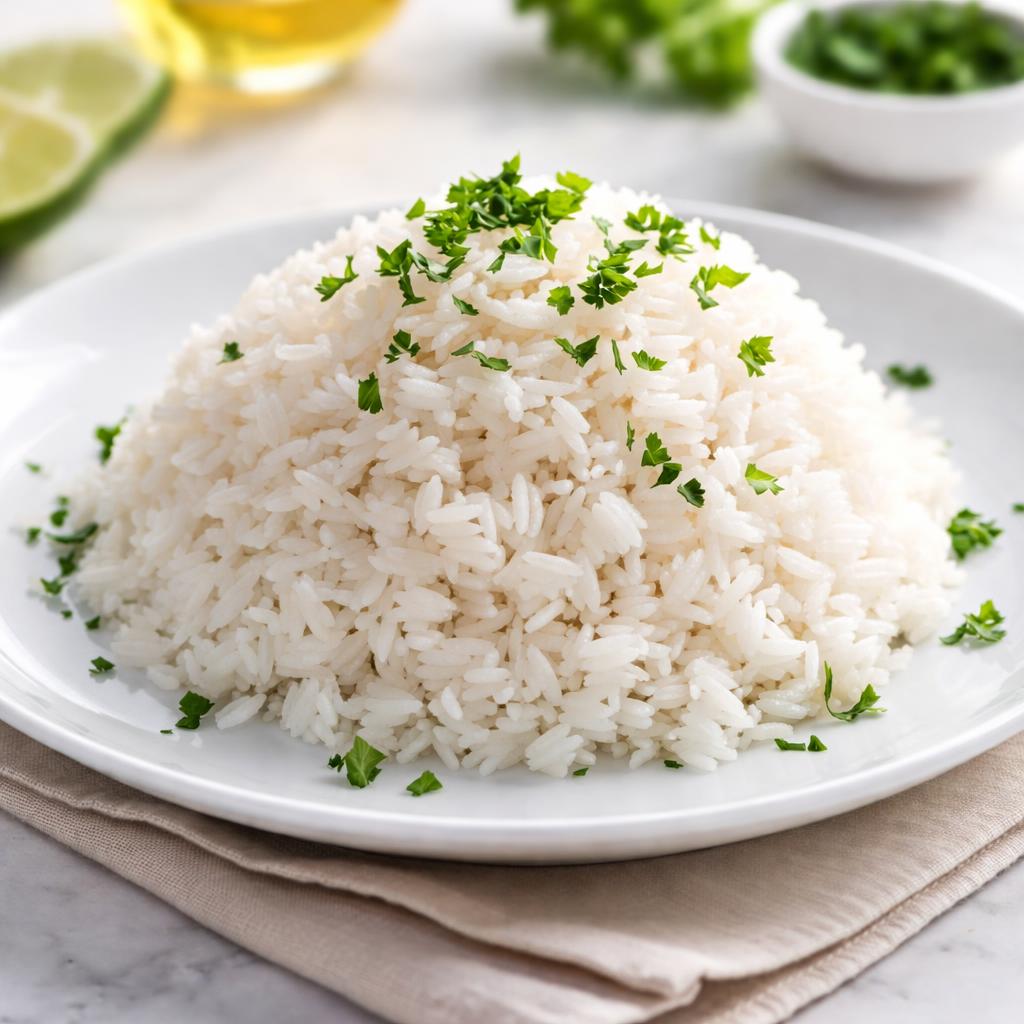
Rice

Custard
🎯 Quick Verdict
Rice and custard differ significantly in their nutritional profiles. Rice is a high-carb staple with more fiber, while custard is richer in protein and fat due to its dairy and egg components. Rice is ideal for energy and digestion, while custard works well for nutrient density and as a dessert or snack option.

Smart Nutrition Tracking with SnapCalorie

📊 Nutritional Comparison
Macronutrients
| Nutrient | Food 1 | Food 2 | Winner |
|---|---|---|---|
| Calories | 150 kcal (1 cup cooked) | 150 kcal (1/2 cup custard) | − |
| Protein | 3g | 5g | − |
| Carbs | 33g | 24g | − |
| Fat | 0.5g | 5g | − |
| Fiber | 1g | 0g | − |
Vitamins & Minerals
| Nutrient | Food 1 | Food 2 | Winner |
|---|---|---|---|
| Vitamin D | 0mcg | 2mcg | − |
| Calcium | 5mg | 100mg | − |
| Iron | 1mg | 0.2mg | − |
🏆 Category Winners
Protein
Custard contains 66% more protein than rice per serving.
Fiber
Rice contains dietary fiber, while custard has none.
Calories
Both foods contain approximately 150 calories per serving.
🥗 Diet Compatibility
Keto
Food 1: Not Compatible
Food 2: Not Compatible
Both are high in carbohydrates and unsuitable for keto diets.
Vegan
Food 1: Compatible
Food 2: Not Compatible
Rice is plant-based, while custard contains dairy and eggs.
Gluten Free
Food 1: Compatible
Food 2: Compatible
Both foods are naturally free of gluten.
Paleo
Food 1: Not Compatible
Food 2: Not Compatible
Rice and custard do not align with paleo dietary restrictions.
Low Carb
Food 1: Not Compatible
Food 2: Not Compatible
Both foods contain significant carb content, unsuitable for low-carb diets.
💪 Health Benefits Comparison
Food 1 Benefits
- Provides a quick source of energy from carbohydrates
- Contains dietary fiber for digestion
- Low in fat, ideal for heart-healthy diets
Food 2 Benefits
- Rich in protein for muscle repair and maintenance
- Good source of calcium for bone health
- Contains vitamin D, supporting immune and bone health
✅ The Bottom Line
Rice is better for energy and fiber intake, making it ideal for athletes and those needing digestive support. Custard is advantageous for protein, calcium, and vitamin D, suiting individuals who need nutrient density or a satisfying snack.
Choose Food 1 for: Energy boosts, digestion, vegan-friendly meals
Choose Food 2 for: Post-workout recovery, satisfying meals, calcium and vitamin D intake


