Rice VS Congee
A detailed nutritional comparison
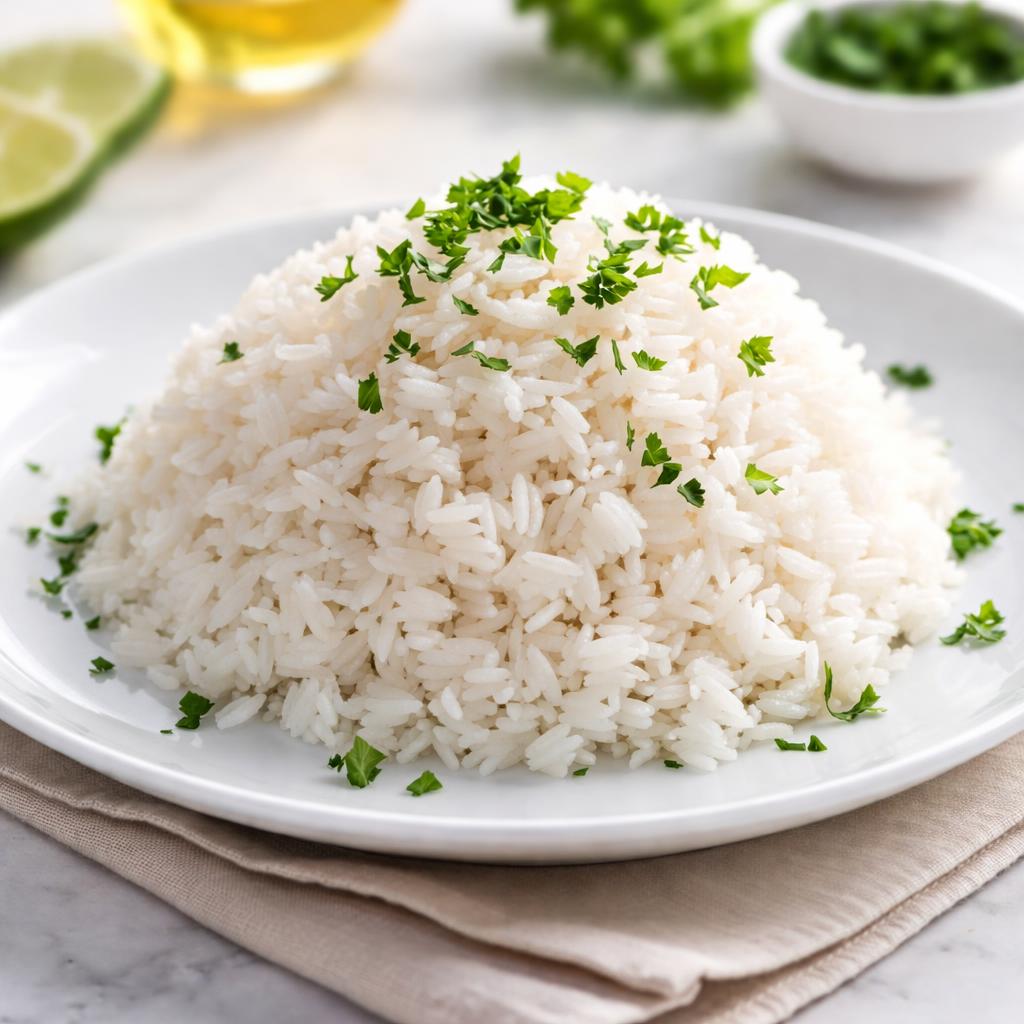
Rice
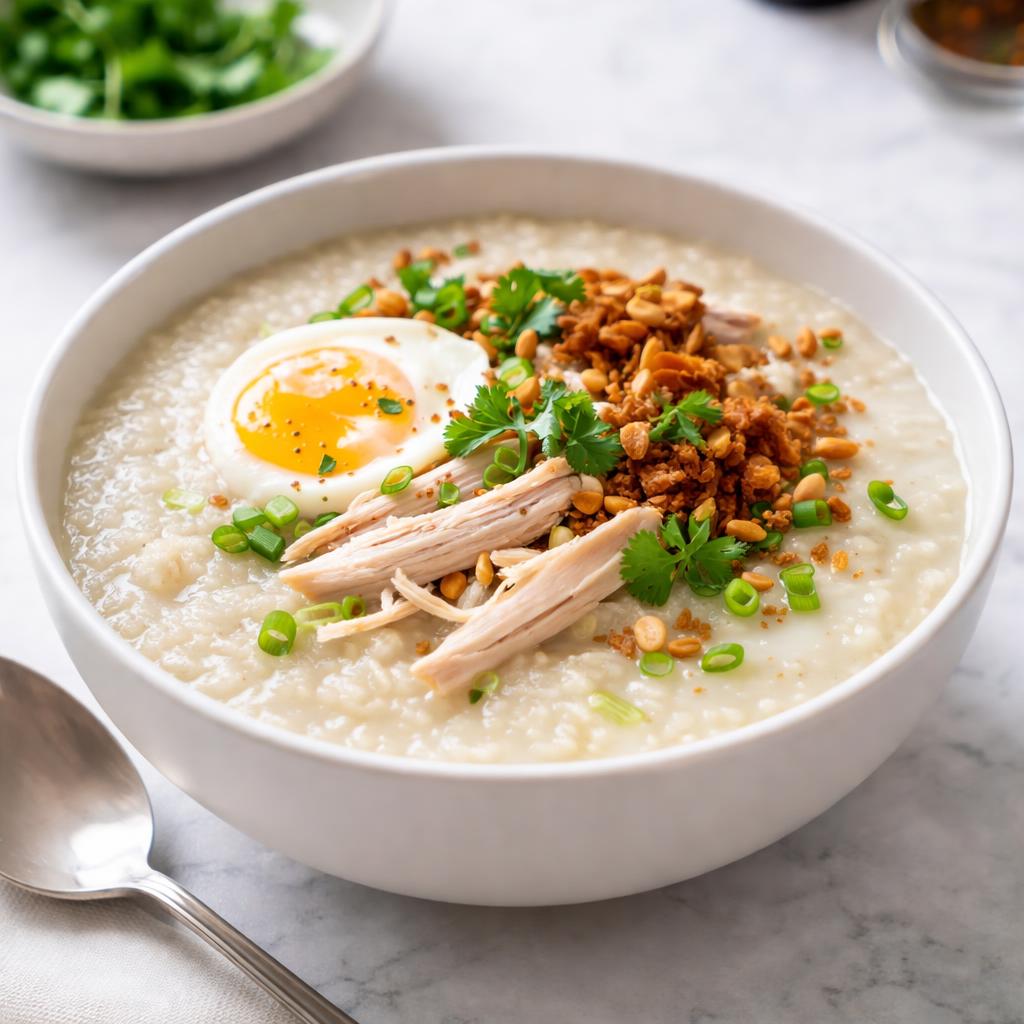
Congee
🎯 Quick Verdict
Rice is generally denser in nutrients than congee due to its lower water content, offering more protein, fiber, and micronutrients per serving. Congee, however, is more hydrating and easier to digest, making it ideal for light meals or recovery from illness. Both are versatile and vegan-friendly but serve different dietary needs.

Smart Nutrition Tracking with SnapCalorie

📊 Nutritional Comparison
Macronutrients
| Nutrient | Food 1 | Food 2 | Winner |
|---|---|---|---|
| Calories | 204 (per 1 cup cooked) | 50 (per 1 cup cooked) | − |
| Protein | 4.3g | 1g | − |
| Carbs | 44.5g | 11g | − |
| Fat | 0.4g | 0.1g | − |
| Fiber | 0.6g | 0.1g | − |
Vitamins & Minerals
| Nutrient | Food 1 | Food 2 | Winner |
|---|---|---|---|
| Vitamin B1 (Thiamin) | 0.3mg | 0.1mg | − |
| Vitamin B3 (Niacin) | 1.6mg | 0.4mg | − |
| Iron | 0.3mg | 0.1mg | − |
🏆 Category Winners
Protein
Rice contains over four times more protein than congee per serving.
Fiber
Rice has six times more fiber per serving compared to congee.
Calories
While congee is substantially lower in calories per volume, its calorie content is dependent on water ratio.
🥗 Diet Compatibility
Keto
Food 1: Not Compatible
Food 2: Not Compatible
Both foods are high in carbohydrates.
Vegan
Food 1: Compatible
Food 2: Compatible
Both rice and congee are plant-based.
Gluten Free
Food 1: Compatible
Food 2: Compatible
Neither contains gluten if made with gluten-free rice.
Paleo
Food 1: Compatible
Food 2: Compatible
Both align with paleo diets if no additives are included.
Low-Carb
Food 1: Not Compatible
Food 2: Not Compatible
Neither is suitable for low-carb diets due to high carbohydrate levels.
💪 Health Benefits Comparison
Food 1 Benefits
- Provides sustained energy due to complex carbohydrates
- Rich in B vitamins (e.g., B1, B3) supporting metabolism
- Suitable for gluten-free diets if using pure rice varieties
- Low in fat, making it a light but filling option
Food 2 Benefits
- Easy to digest, ideal for sensitive stomachs or recovery from illness
- Hydrating due to high water content in preparation
- Light on calories, good for portion-controlled diets or low-energy days
- Versatile dish when paired with nutrients like protein and vegetables
✅ The Bottom Line
Rice is a better option for individuals seeking nutrient density, higher protein, and fiber intake, especially for active lifestyles or heavy meals. Congee is ideal for light, hydrating meals, or when recovering from illness due to its digestibility. Choose rice for more energy or congee for comfort and hydration.
Choose Food 1 for: Energy-rich meals, fiber intake, gluten-free diets
Choose Food 2 for: Recovery, hydration, light eating


