Rice VS Chole
A detailed nutritional comparison
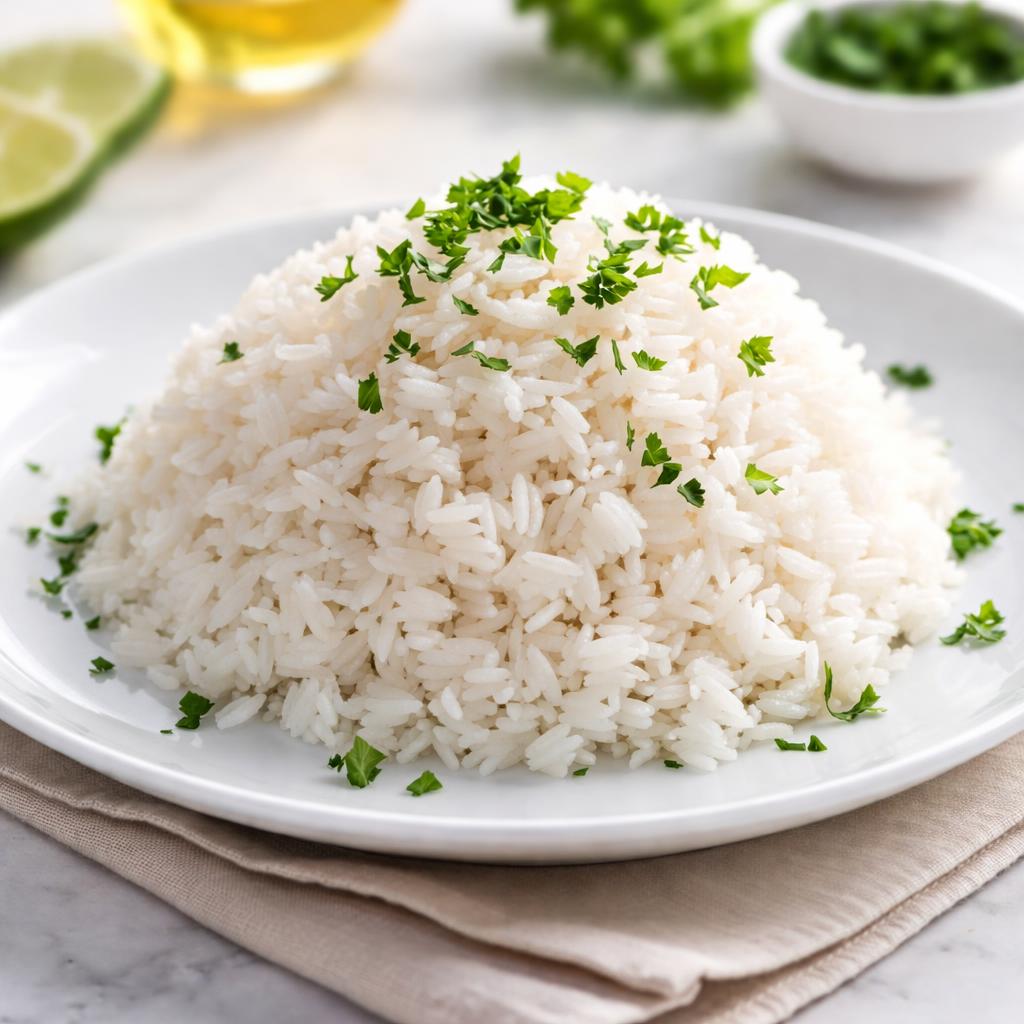
Rice
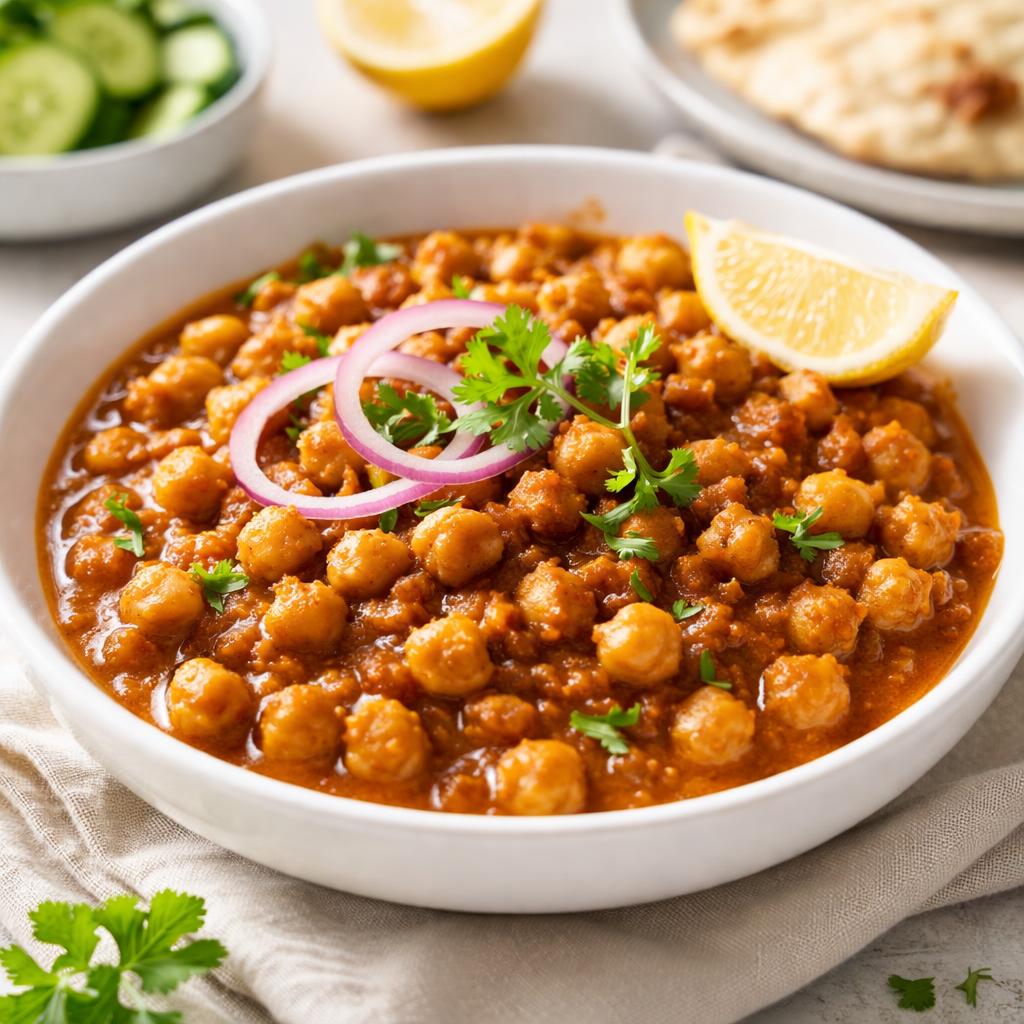
Chole
🎯 Quick Verdict
Chole (chickpeas) outshine rice in nutritional value, offering higher protein and fiber, along with a range of vitamins and minerals. Rice, however, provides fewer calories and is great for quick energy. Choose rice for lighter meals and chole for nutrient density and sustained energy.

Smart Nutrition Tracking with SnapCalorie

📊 Nutritional Comparison
Macronutrients
| Nutrient | Food 1 | Food 2 | Winner |
|---|---|---|---|
| Calories | 130 | 164 | ✓ |
| Protein | 2.7g | 8.9g | ✓ |
| Carbs | 28.7g | 27.3g | ✓ |
| Fat | 0.3g | 2.6g | ✓ |
| Fiber | 0.4g | 7.6g | ✓ |
Vitamins & Minerals
| Nutrient | Food 1 | Food 2 | Winner |
|---|---|---|---|
| Vitamin B6 | 0mg | 0.2mg | ✓ |
| Folate | 1mcg | 280mcg | ✓ |
| Iron | 0.2mg | 2.5mg | ✓ |
| Magnesium | 12mg | 48mg | ✓ |
🏆 Category Winners
Protein
Chole has over 3 times the protein of rice, making it ideal for muscle support.
Fiber
Chole contains significantly more fiber (7.6g vs. 0.4g).
Calories
Rice is lower-calorie compared to chole (130 vs. 164 per serving).
Vitamins
Chole is packed with essential vitamins like folate and iron, far surpassing rice.
🥗 Diet Compatibility
Keto
Food 1: Not Compatible
Food 2: Not Compatible
Both are high in carbohydrates.
Vegan
Food 1: Compatible
Food 2: Compatible
Both rice and chole are plant-based foods.
Gluten Free
Food 1: Compatible
Food 2: Compatible
Neither food contains gluten.
Paleo
Food 1: Not Compatible
Food 2: Not Compatible
Both are cultivated plant foods not permitted in strict paleo diets.
Low-Carb
Food 1: Not Compatible
Food 2: Not Compatible
Both have over 25g of carbs per serving, exceeding low-carb thresholds.
💪 Health Benefits Comparison
Food 1 Benefits
- Quick source of energy due to high carbs
- Low in fat for lighter meals
- Versatile ingredient for pairing with nutrient-dense toppings
Food 2 Benefits
- Rich in protein for muscle repair and growth
- High fiber content aids digestion and promotes satiety
- Contains iron and folate important for blood health and energy production
- Provides magnesium to support healthy muscle and nerve function
✅ The Bottom Line
Rice is ideal for light, easily digestible meals or when lower calorie intake is a priority. Chole, on the other hand, is a nutrition powerhouse with more protein, fiber, and essential vitamins, making it suitable for building muscle, improving digestion, and enhancing overall nutrient intake. Choose rice when prioritizing energy and simplicity, and chole for sustained energy and nutrient density.
Choose Food 1 for: Light meals, quick energy, low-fat meals
Choose Food 2 for: Muscle building, digestion support, nutrient-packed meals


