Rice VS Chili Crisp
A detailed nutritional comparison
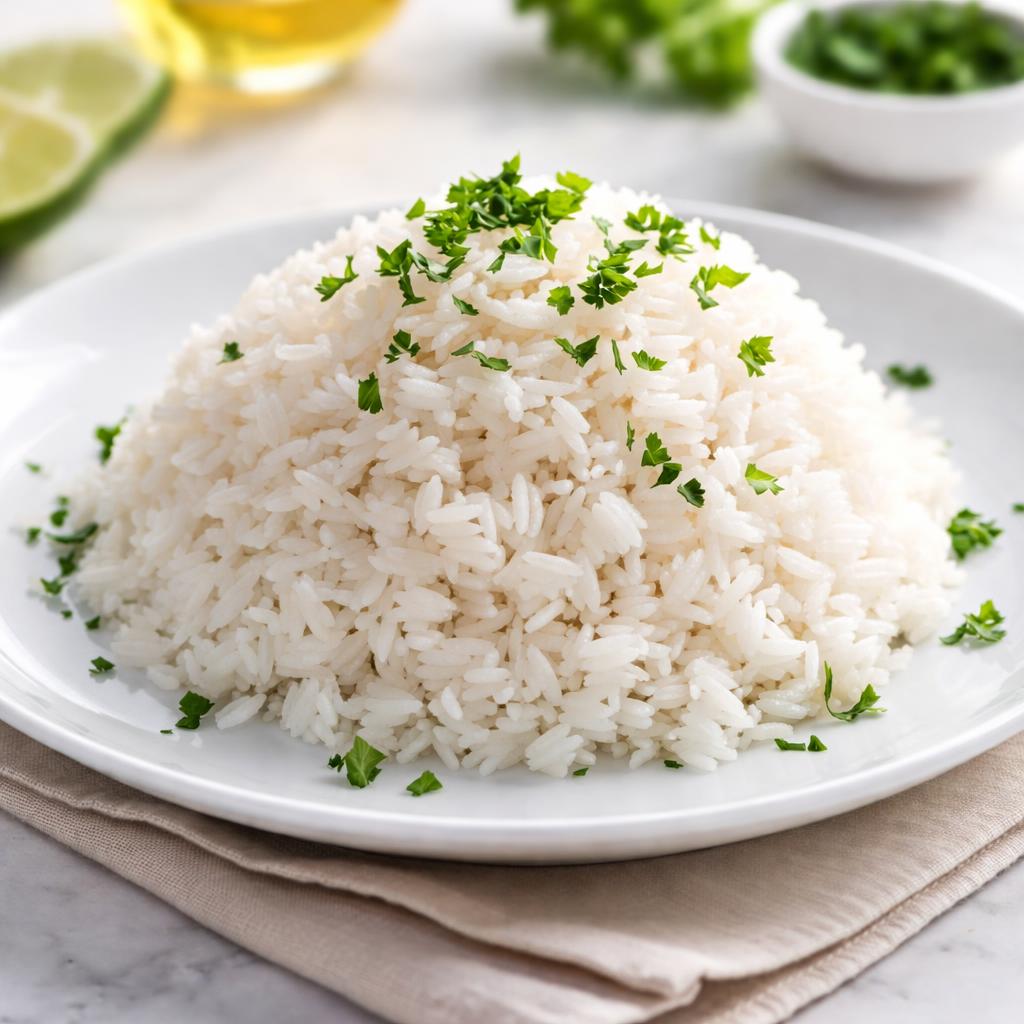
Rice
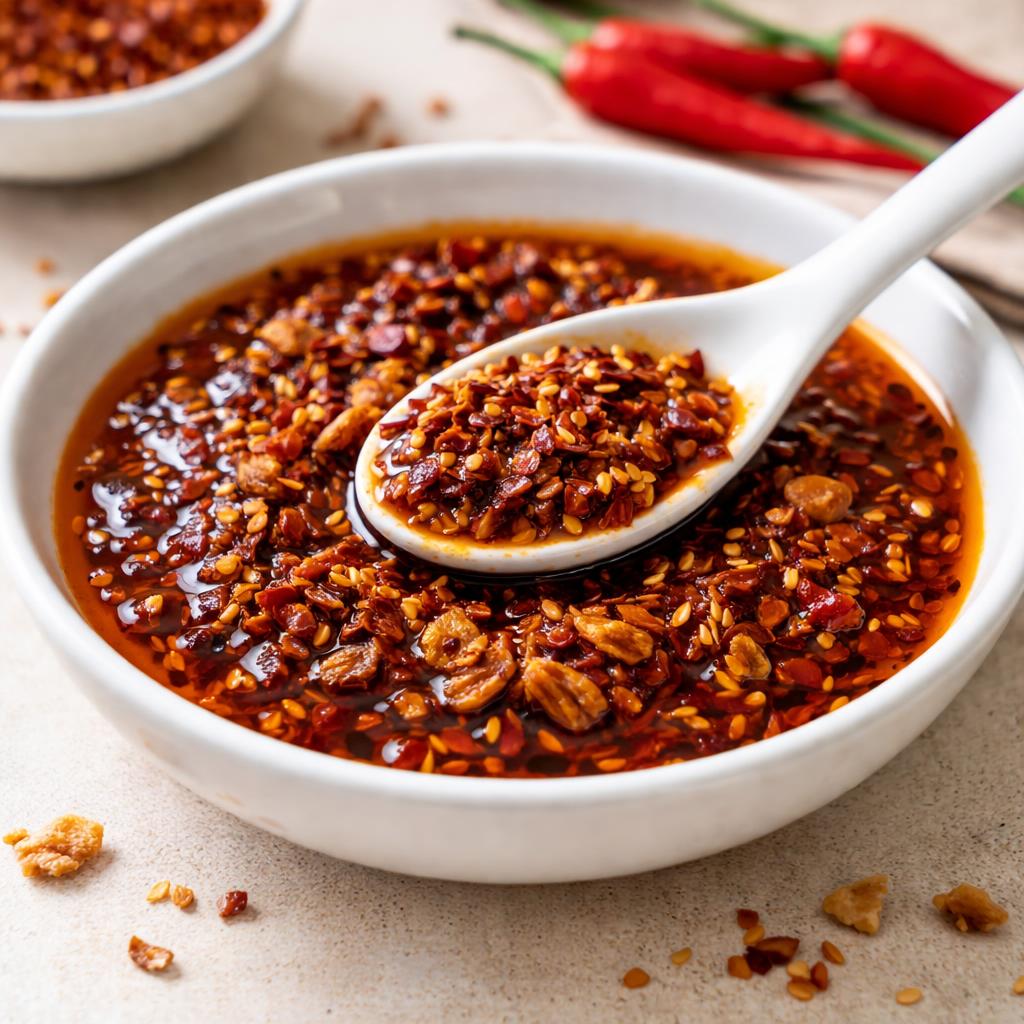
Chili Crisp
🎯 Quick Verdict
Rice and chili crisp serve very different dietary purposes. Rice is a staple carbohydrate source, providing essential energy, moderate protein, and fiber, while chili crisp is a flavorful condiment with higher fats but limited protein, fiber, and calories. Rice suits meal bases, whereas chili crisp is best as a small addition for flavor enhancement.

Smart Nutrition Tracking with SnapCalorie

📊 Nutritional Comparison
Macronutrients
| Nutrient | Food 1 | Food 2 | Winner |
|---|---|---|---|
| Calories | 205 | 90 | ✓ |
| Protein | 4g | 1g | ✓ |
| Carbs | 45g | 2g | ✓ |
| Fat | 0.4g | 8g | ✓ |
| Fiber | 1g | 0g | ✓ |
Vitamins & Minerals
| Nutrient | Food 1 | Food 2 | Winner |
|---|---|---|---|
| Vitamin D | 0mcg | 0mcg | − |
| Calcium | 10mg | 5mg | ✓ |
| Iron | 0.5mg | 0.2mg | ✓ |
🏆 Category Winners
Protein
Rice provides 4g of protein per serving, whereas chili crisp has only 1g.
Fiber
Rice contains 1g of fiber compared to 0g in chili crisp.
Calories
Chili crisp is lower in calories per serving, suitable for smaller portions.
🥗 Diet Compatibility
Keto
Food 1: Not Compatible
Food 2: Compatible
Rice is high in carbs, whereas chili crisp is low in carbs.
Vegan
Food 1: Compatible
Food 2: Compatible
Both foods are plant-based.
Gluten Free
Food 1: Compatible
Food 2: Compatible
Neither food contains gluten.
Paleo
Food 1: Compatible
Food 2: Compatible
Both foods can fit paleo diets.
Low-Carb
Food 1: Not Compatible
Food 2: Compatible
Rice is high in carbs, making it unsuitable for low-carb diets; chili crisp is carb-friendly.
💪 Health Benefits Comparison
Food 1 Benefits
- Provides sustained energy due to high carbohydrate content
- Contains moderate protein for muscle maintenance
- Rich in essential minerals, such as small amounts of iron and calcium
Food 2 Benefits
- Flavor enhancer that can encourage healthier eating by adding taste to plain foods
- Low carbohydrate content, suitable for ketogenic diets
- Contains healthy fats that support heart health in moderation
✅ The Bottom Line
Rice and chili crisp serve completely different functions in the diet. Choose rice as a primary source of energy and nutrients when building fuller meals. Chili crisp, on the other hand, can be used sparingly to add flavor without significantly impacting calorie or macronutrient intake. Both can be integrated sensibly depending on dietary goals.
Choose Food 1 for: Staple meal base, energy, and moderate protein.
Choose Food 2 for: Low-carb diets, flavor enhancement, and small indulgences.


