Rice VS Butternut Squash Soup
A detailed nutritional comparison
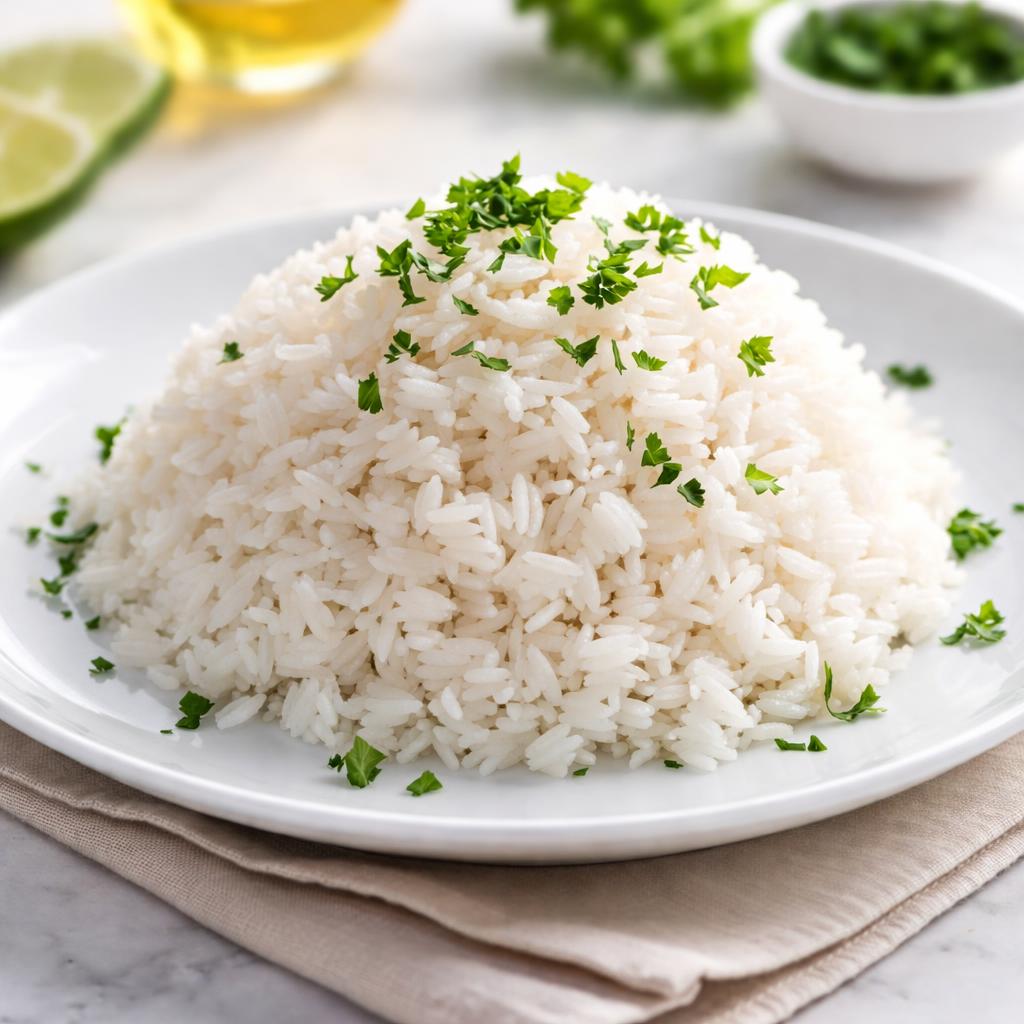
Rice
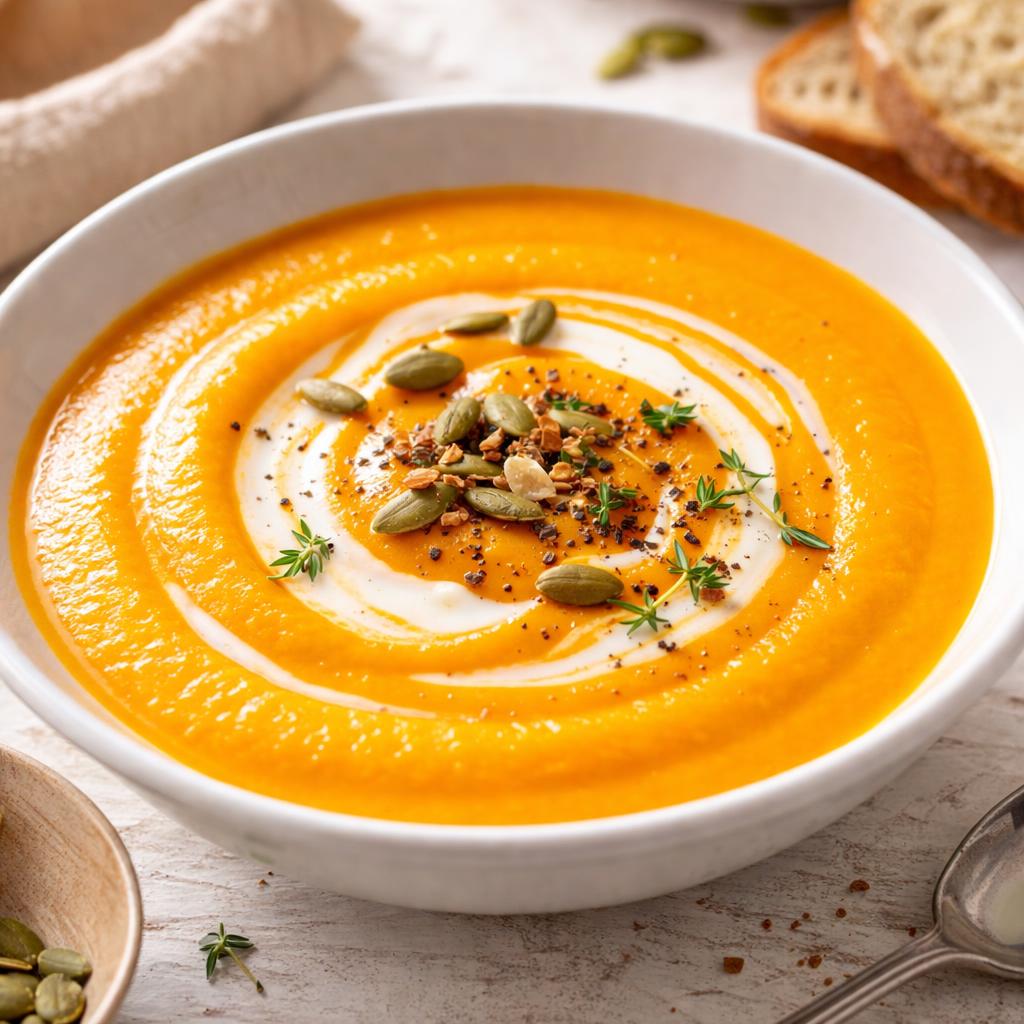
Butternut Squash Soup
🎯 Quick Verdict
Rice is a calorie-dense, versatile staple with higher protein content, while butternut squash soup is lower in calories and rich in fiber and micronutrients. Rice is ideal for high-energy meals or post-workout refueling, whereas butternut squash soup is better for weight management and nutrient variety.

Smart Nutrition Tracking with SnapCalorie

📊 Nutritional Comparison
Macronutrients
| Nutrient | Food 1 | Food 2 | Winner |
|---|---|---|---|
| Calories | 206 (per 1 cup cooked white rice) | 100 (per 1 cup soup) | ✓ |
| Protein | 4.3g | 2g | ✓ |
| Carbs | 45g | 20g | ✓ |
| Fat | 0.4g | 2g | ✓ |
| Fiber | 0.6g | 3g | ✓ |
Vitamins & Minerals
| Nutrient | Food 1 | Food 2 | Winner |
|---|---|---|---|
| Vitamin A | 0 IU | 8000 IU | ✓ |
| Vitamin C | 0mg | 20mg | ✓ |
| Potassium | 55mg | 450mg | ✓ |
🏆 Category Winners
Protein
Rice contains over two times the protein of butternut squash soup.
Fiber
Butternut squash soup contains five times more fiber than rice.
Calories
Butternut squash soup has less than half the calories of rice per serving.
Vitamins
Butternut squash soup is much richer in vitamin A, vitamin C, and potassium.
🥗 Diet Compatibility
Keto
Food 1: Not Compatible
Food 2: Compatible
Rice is high in carbohydrates; soup is lower-carb.
Vegan
Food 1: Compatible
Food 2: Compatible
Both are plant-based and free of animal products.
Gluten Free
Food 1: Compatible
Food 2: Compatible
Neither food contains gluten.
Paleo
Food 1: Not Compatible
Food 2: Compatible
Rice is excluded from paleo diets, but soup is accepted.
Low-Carb
Food 1: Not Compatible
Food 2: Compatible
Rice has a high carbohydrate content, while soup is moderate in carbs.
💪 Health Benefits Comparison
Food 1 Benefits
- Provides sustained energy through complex carbohydrates
- Low in fat, making it heart-healthy
- Versatile base for balanced meals
Food 2 Benefits
- Rich in vitamin A for eye health and immunity
- Provides fiber for digestive health
- Lower calorie option for weight management
- Contains potassium, which supports muscle function
✅ The Bottom Line
Rice is a filling, energy-rich option suitable for active individuals or those needing extra calories, while butternut squash soup is nutrient-dense and ideal for weight management or balanced eating. Choose rice for high-energy meals and post-workout recovery, whereas opt for butternut squash soup for light lunches or added nutrient variety.
Choose Food 1 for: High-energy diets, post-workout, meal prep
Choose Food 2 for: Weight management, nutrient-dense meals, light lunches


