Rice VS Brown Rice And Quinoa
A detailed nutritional comparison
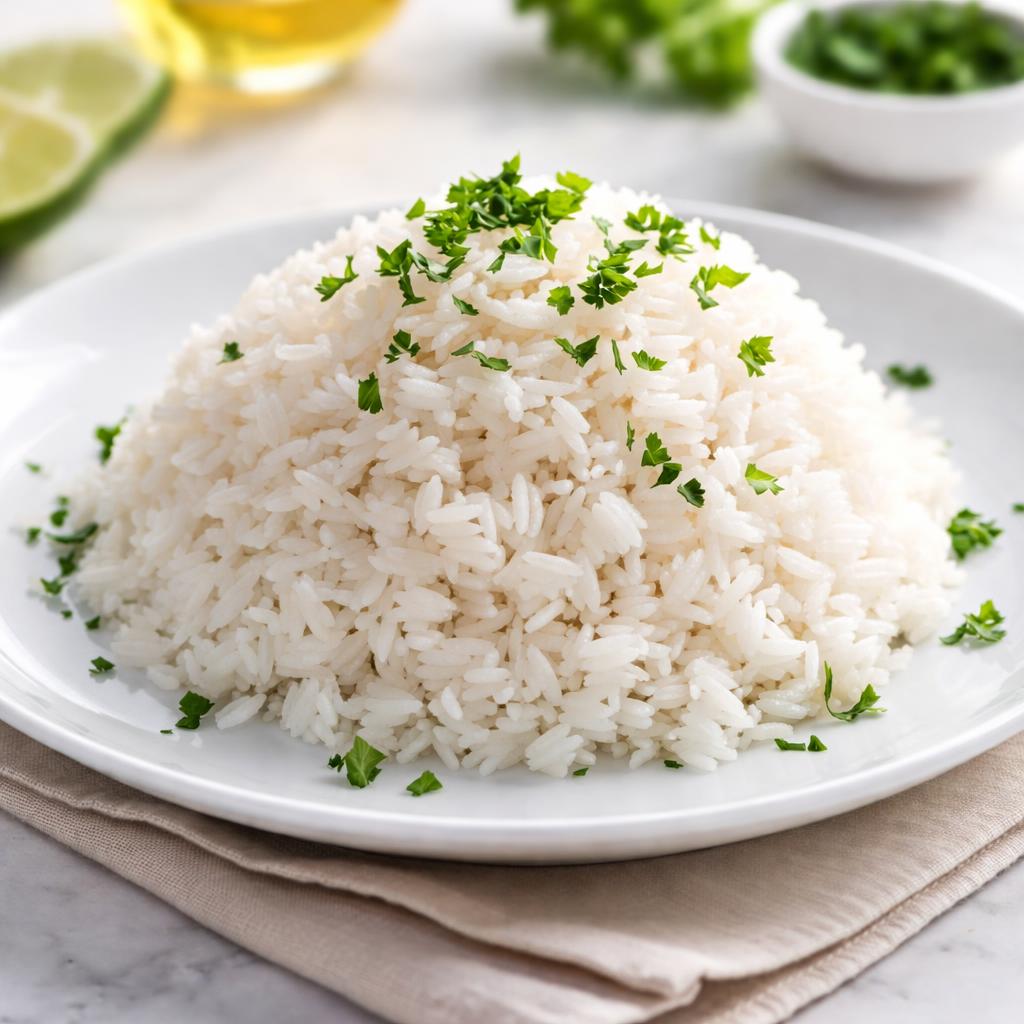
Rice
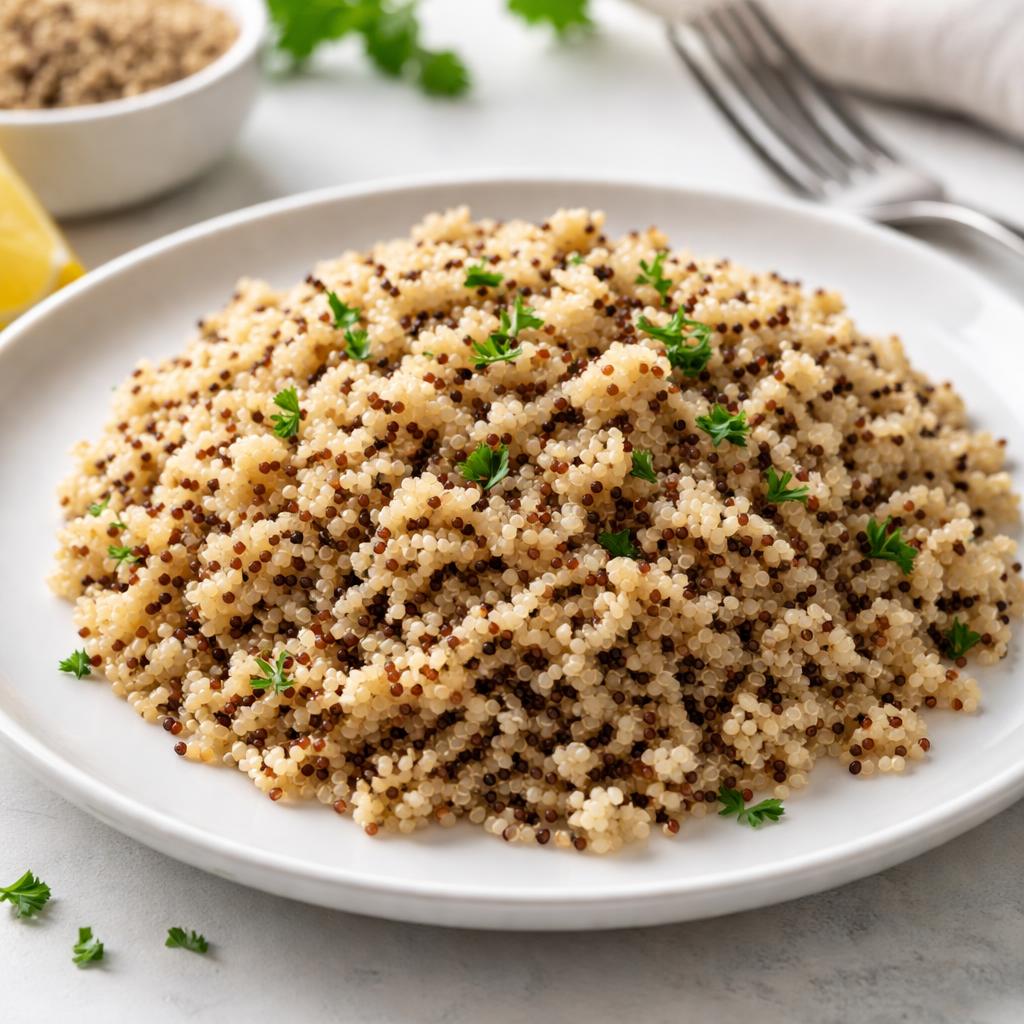
Brown Rice And Quinoa
🎯 Quick Verdict
Brown rice and quinoa outperform regular white rice in terms of protein and fiber content, making it a more nutrient-dense choice overall. However, white rice is lower in calories, making it a better option for those aiming to lose weight or need quick-digesting carbs. Each food has specific pros depending on dietary goals and individual needs.

Smart Nutrition Tracking with SnapCalorie

📊 Nutritional Comparison
Macronutrients
| Nutrient | Food 1 | Food 2 | Winner |
|---|---|---|---|
| Calories | 130 kcal (per 1 cup cooked) | 170 kcal (per 1 cup cooked) | − |
| Protein | 2.7g | 6g | − |
| Carbs | 28g | 32g | − |
| Fat | 0.3g | 2.5g | − |
| Fiber | 0.4g | 3g | − |
Vitamins & Minerals
| Nutrient | Food 1 | Food 2 | Winner |
|---|---|---|---|
| Vitamin B6 | 0.1mg | 0.2mg | − |
| Folate | 42mcg | 80mcg | − |
| Magnesium | 11mg | 70mg | − |
| Phosphorus | 37mg | 95mg | − |
🏆 Category Winners
Protein
Brown rice and quinoa contain over twice as much protein as white rice.
Fiber
Brown rice and quinoa have approximately 7 times more fiber, supporting better digestion.
Calories
White rice contains 40 fewer calories per serving, useful for calorie control.
Vitamins
A richer source of B vitamins, magnesium, and phosphorus for metabolic and bone health.
🥗 Diet Compatibility
Keto
Food 1: Not Compatible
Food 2: Not Compatible
Both are high in carbohydrates, making them unsuitable for keto diets.
Vegan
Food 1: Compatible
Food 2: Compatible
Both are fully plant-based foods.
Gluten Free
Food 1: Compatible
Food 2: Compatible
Neither contain gluten, suitable for gluten-free diets.
Paleo
Food 1: Compatible
Food 2: Compatible
Both fit within standard paleo guidelines as unprocessed grains.
Low Carb
Food 1: Not Compatible
Food 2: Not Compatible
Both are relatively high in carbs for a low-carb diet plan.
💪 Health Benefits Comparison
Food 1 Benefits
- Provides quick-digesting carbohydrates for energy
- Low in fat, suitable for light meals and calorie control
- Easy to digest, ideal for sensitive stomachs and post-recovery meals
Food 2 Benefits
- Rich in fiber for improved digestion and gut health
- Good source of plant-based protein for muscle maintenance
- High in magnesium for bone health and relaxation
- Offers sustained energy due to complex carbs and nutrient density
✅ The Bottom Line
Choose brown rice and quinoa if prioritizing nutrient-density, protein, and fiber for sustained energy and overall health benefits. Opt for white rice when aiming for lower calorie intake and quick-digesting carbs for immediate energy boosts or lighter meals.
Choose Food 1 for: Weight loss, high-carb diets, quick energy
Choose Food 2 for: Gut health, muscle building, sustained energy


