Rice VS Boiled Potatoes
A detailed nutritional comparison
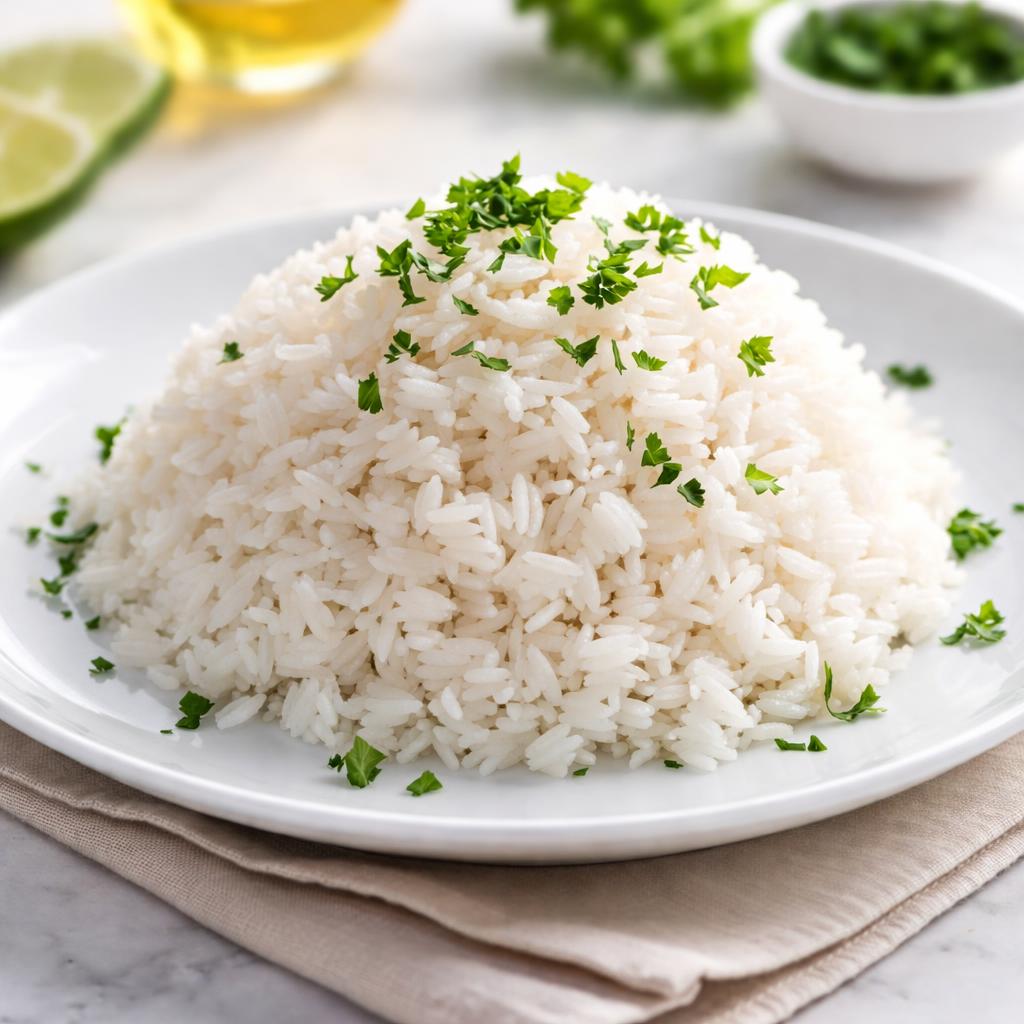
Rice
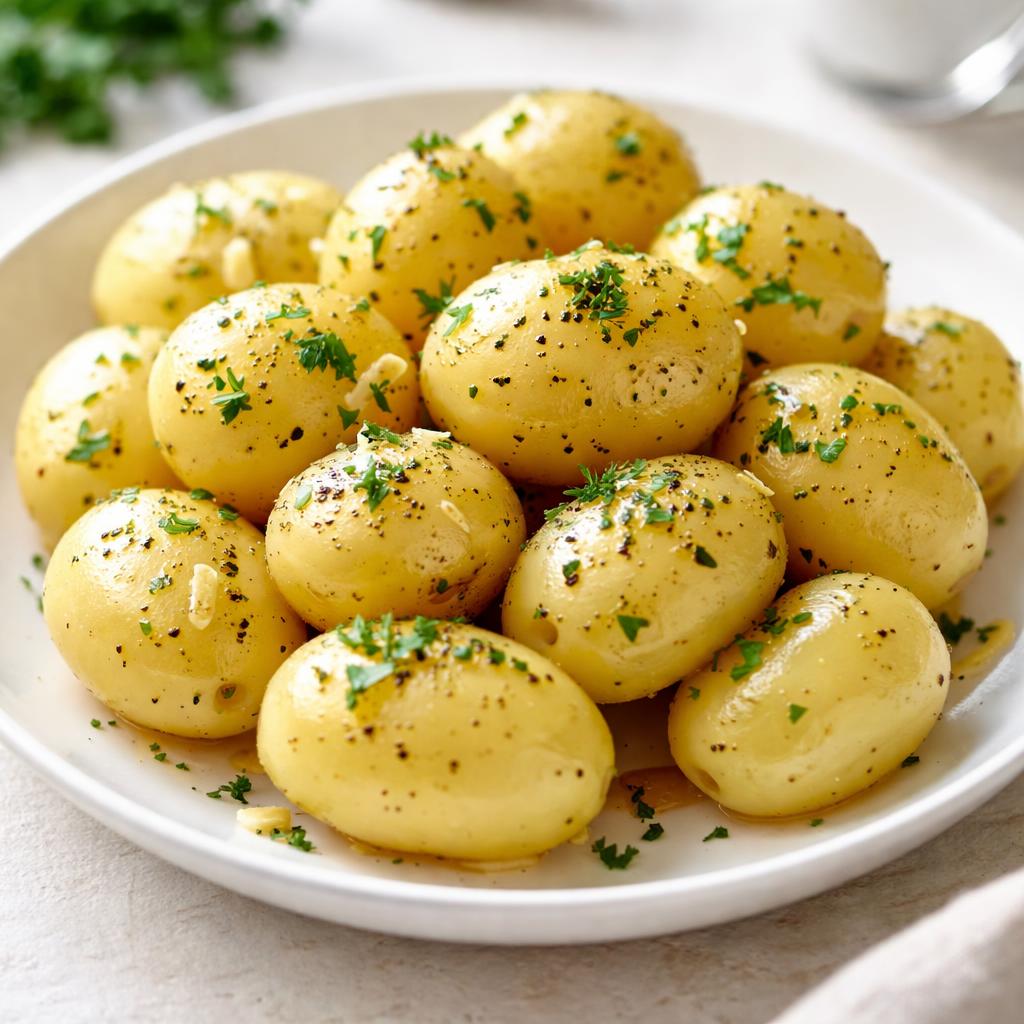
Boiled Potatoes
🎯 Quick Verdict
Rice is lower in calories and slightly higher in protein than boiled potatoes, making it suitable for lighter meals or post-workout nutrition. Boiled potatoes are higher in fiber and richer in vitamins like Vitamin C and Potassium, which support digestion and heart health. Both are good choices depending on dietary needs, with rice being excellent for energy while potatoes shine in nutrient density and fullness.

Smart Nutrition Tracking with SnapCalorie

📊 Nutritional Comparison
Macronutrients
| Nutrient | Food 1 | Food 2 | Winner |
|---|---|---|---|
| Calories | 130 per 100g | 87 per 100g | ✓ |
| Protein | 2.7g per 100g | 2g per 100g | ✓ |
| Carbs | 28.2g per 100g | 20.1g per 100g | ✓ |
| Fat | 0.3g per 100g | 0.1g per 100g | ✓ |
| Fiber | 0.4g per 100g | 1.8g per 100g | ✓ |
Vitamins & Minerals
| Nutrient | Food 1 | Food 2 | Winner |
|---|---|---|---|
| Vitamin C | 0mg per 100g | 19.7mg per 100g | ✓ |
| Potassium | 35mg per 100g | 400mg per 100g | ✓ |
| Vitamin B6 | 0.02mg per 100g | 0.3mg per 100g | ✓ |
🏆 Category Winners
Protein
Rice has 35% more protein per 100g compared to boiled potatoes.
Fiber
Boiled potatoes contain over 4x more fiber than rice.
Calories
Boiled potatoes are lower in calories compared to rice, being 33% less calorie-dense.
🥗 Diet Compatibility
Keto
Food 1: Not Compatible
Food 2: Not Compatible
Both foods have high carbohydrate content.
Vegan
Food 1: Compatible
Food 2: Compatible
Both foods are plant-based and vegan-friendly.
Gluten Free
Food 1: Compatible
Food 2: Compatible
Neither rice nor potatoes contain gluten.
Paleo
Food 1: Compatible
Food 2: Compatible
Both are unprocessed and paleo-friendly.
Low Carb
Food 1: Not Compatible
Food 2: Not Compatible
Both are high-carb foods unsuitable for low-carb diets.
💪 Health Benefits Comparison
Food 1 Benefits
- Provides quick-digesting energy ideal for workouts
- Low in fat, making it beneficial for weight maintenance
- Gentle on the digestive system and suitable for sensitive stomachs
Food 2 Benefits
- High in fiber, supporting a healthy gut and digestion
- Rich in Vitamin C for immune support
- Contains Potassium to aid muscle function and heart health
- Highly satiating, helping with appetite control
✅ The Bottom Line
Choose rice for quick energy, post-workout recovery, or lighter meals since it is higher in protein and lower in fiber. Opt for boiled potatoes when nutrient density, fullness, and fiber are key, as they are lower in calories but higher in vitamins and minerals. Both are excellent carbohydrate sources, depending on individual dietary needs.
Choose Food 1 for: Quick energy, light meals, post-workout nutrition
Choose Food 2 for: Digestion support, nutrient density, immune and heart health


