Rice VS Biriyani
A detailed nutritional comparison
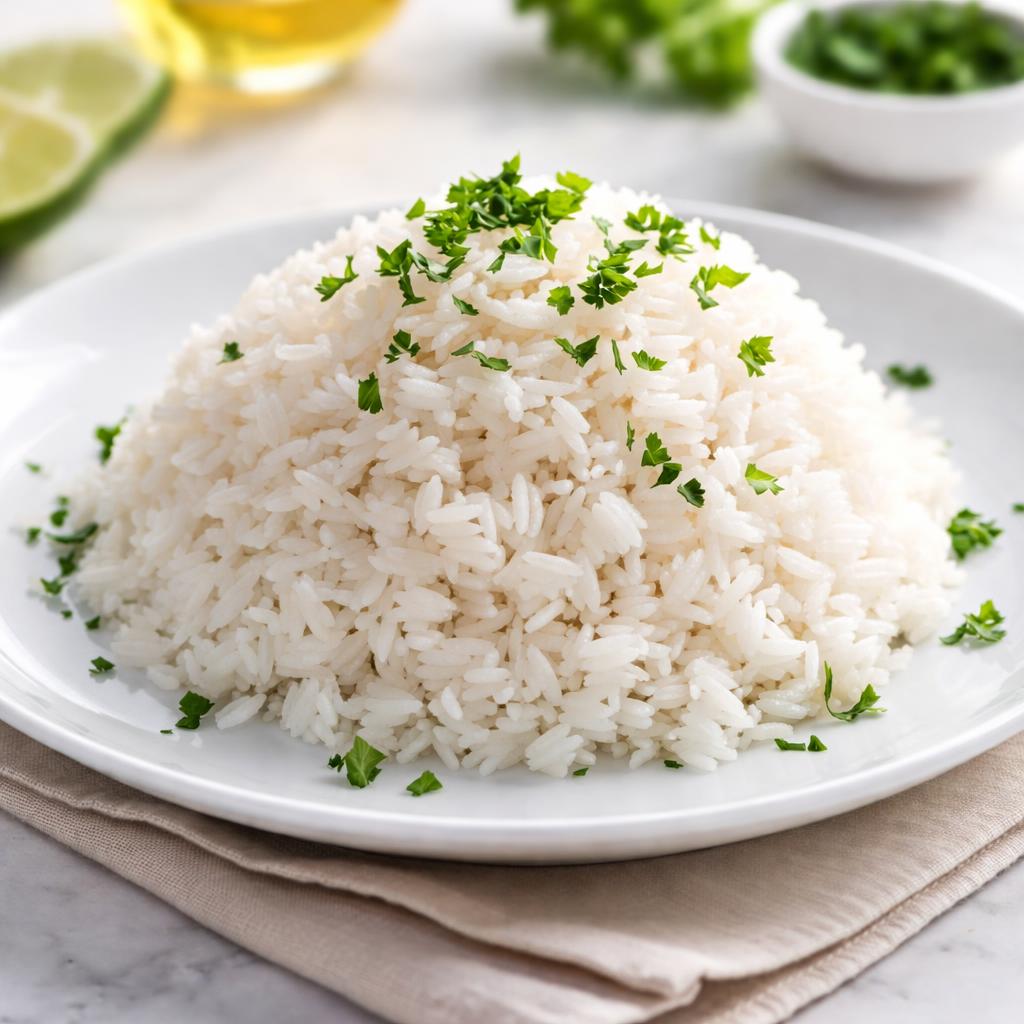
Rice
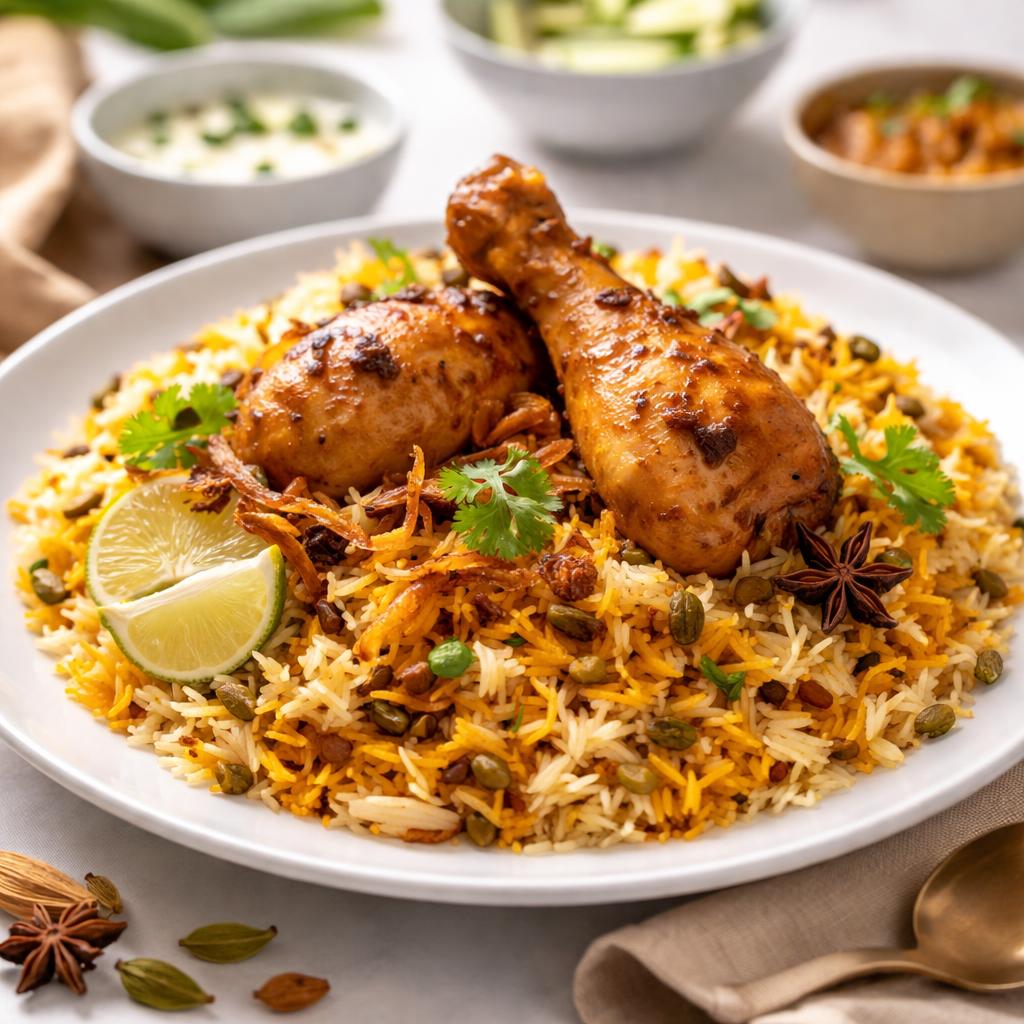
Biriyani
🎯 Quick Verdict
Rice is a low-calorie, simple carbohydrate source, while biriyani is calorie-dense, often featuring added protein, fat, and spices. Rice is ideal for basic carbohydrate needs or low-calorie diets, whereas biriyani is more nutrient-dense but higher in calories, suited for special occasions or energy-intensive meals.

Smart Nutrition Tracking with SnapCalorie

📊 Nutritional Comparison
Macronutrients
| Nutrient | Food 1 | Food 2 | Winner |
|---|---|---|---|
| Calories | 130 | 300 | ✓ |
| Protein | 2.7g | 7g | ✓ |
| Carbs | 28g | 40g | ✓ |
| Fat | 0.3g | 10g | ✓ |
| Fiber | 0.4g | 2g | ✓ |
Vitamins & Minerals
| Nutrient | Food 1 | Food 2 | Winner |
|---|---|---|---|
| Vitamin D | 0mcg | 0mcg | − |
| Calcium | 10mg | 50mg | ✓ |
| Iron | 0.1mg | 1.5mg | ✓ |
🏆 Category Winners
Protein
Biriyani contains added protein from meat or legumes, offering about 160% more protein per serving.
Fiber
Biriyani contains spices and vegetables, contributing 400% more fiber compared to plain rice.
Calories
Plain rice has 57% fewer calories than biriyani, making it suitable for calorie-conscious diets.
🥗 Diet Compatibility
Keto
Food 1: Not Compatible
Food 2: Not Compatible
Both are high-carb foods, unsuitable for keto diets.
Vegan
Food 1: Compatible
Food 2: Potentially Not Compatible
Plain rice is vegan, but biriyani may include animal products like meat and dairy.
Gluten Free
Food 1: Compatible
Food 2: Compatible
Neither contains gluten, provided biriyani uses gluten-free ingredients.
Paleo
Food 1: Not Compatible
Food 2: Not Compatible
Both contain grains, which are excluded in paleo diets.
Low Carb
Food 1: Not Compatible
Food 2: Not Compatible
Both foods are carbohydrate-dense, unsuitable for low-carb diets.
💪 Health Benefits Comparison
Food 1 Benefits
- Low in fat, suitable for weight management
- Source of quick energy from carbohydrates
- Easy to digest and light on the stomach
Food 2 Benefits
- Higher protein content supports muscle repair
- Contains spices like turmeric with anti-inflammatory properties
- Rich in vitamins and minerals from added vegetables and proteins
✅ The Bottom Line
Choose rice if you're looking for a lower-calorie and easy-to-digest staple. Biriyani is a more flavorful, nutrient-dense option ideal for indulgent meals or occasions where taste and nutrient variety matter more than calorie control.
Choose Food 1 for: Weight management, simple meals, low-fat diets
Choose Food 2 for: Special occasions, flavorful meals, balanced nutrient intake


