Rice VS Beef Bone Broth
A detailed nutritional comparison
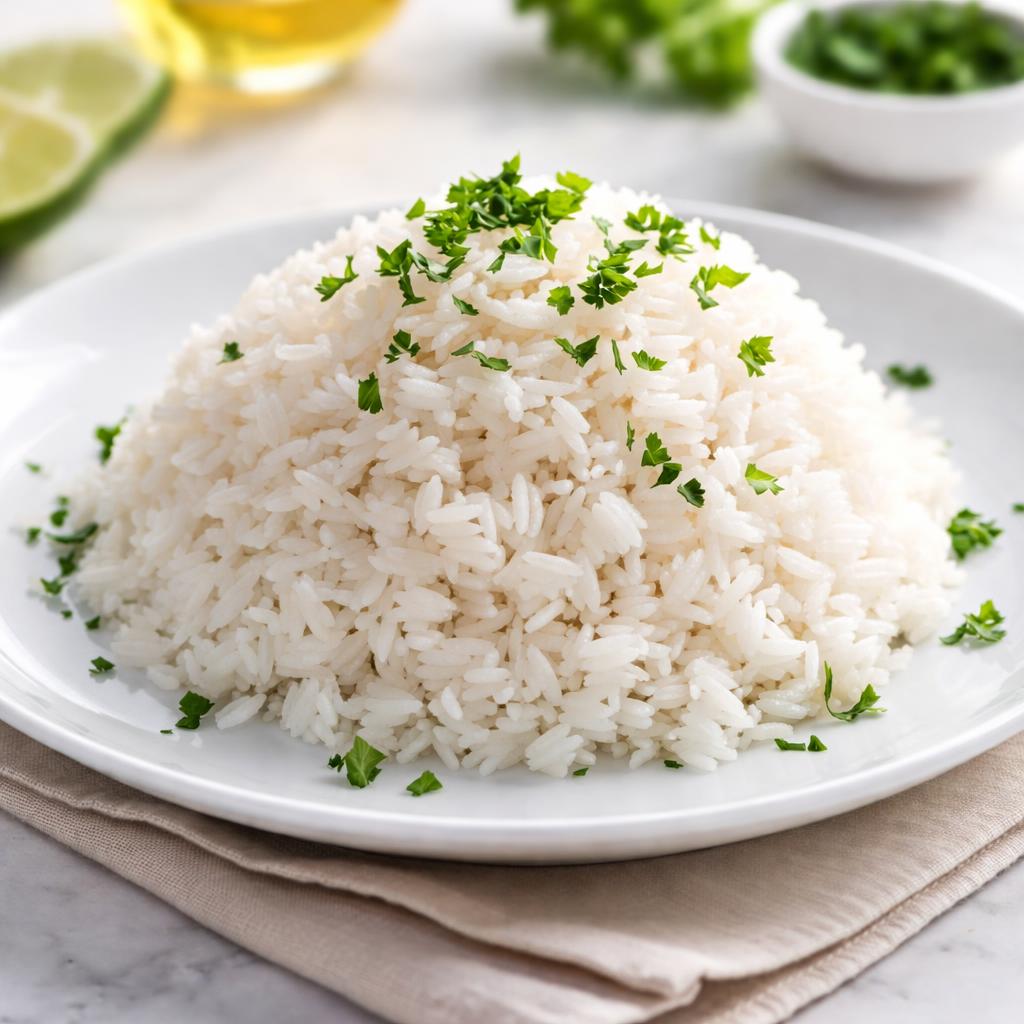
Rice
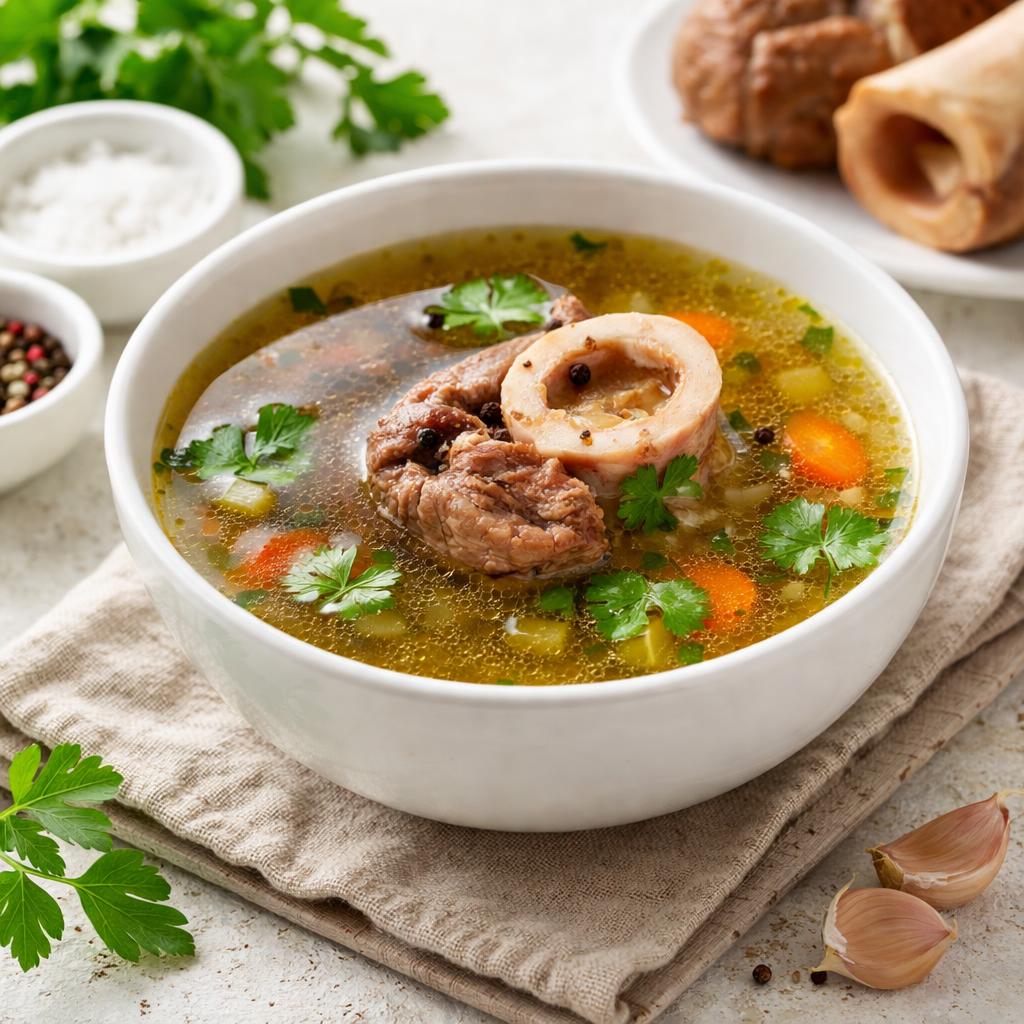
Beef Bone Broth
🎯 Quick Verdict
Rice and beef bone broth offer very different nutritional profiles. Rice is higher in carbohydrates and fiber, making it a good energy source, while beef bone broth delivers more protein with minimal carbs and calories, supporting muscle repair and hydration. Each is best suited for specific dietary needs and recipes.

Smart Nutrition Tracking with SnapCalorie

📊 Nutritional Comparison
Macronutrients
| Nutrient | Food 1 | Food 2 | Winner |
|---|---|---|---|
| Calories | 206 (per cup cooked) | 31 (per cup) | ✓ |
| Protein | 4.3g | 6g | ✓ |
| Carbs | 44g | 0g | ✓ |
| Fat | 0.4g | 2.5g | ✓ |
| Fiber | 0.6g | 0g | ✓ |
Vitamins & Minerals
| Nutrient | Food 1 | Food 2 | Winner |
|---|---|---|---|
| Vitamin D | 0mcg | trace amount | ✓ |
| Calcium | 16mg | 20mg | ✓ |
| Iron | 0.2mg | 0.9mg | ✓ |
| Collagen | 0g | high content | ✓ |
🏆 Category Winners
Protein
Beef bone broth contains 6g protein per cup compared to rice's 4.3g.
Fiber
Rice contains 0.6g fiber while beef bone broth has none.
Calories
Beef bone broth has only 31 calories per cup compared to rice's 206.
🥗 Diet Compatibility
Keto
Food 1: Not Compatible
Food 2: Compatible
Rice is high in carbs (44g per cup), while beef bone broth has no carbs.
Vegan
Food 1: Compatible
Food 2: Not Compatible
Rice is plant-based, but beef bone broth is derived from animal sources.
Gluten Free
Food 1: Compatible
Food 2: Compatible
Neither food contains gluten in its natural form.
Paleo
Food 1: Conditionally Compatible
Food 2: Compatible
Beef bone broth aligns with paleo; rice is conditionally allowed depending on strictness.
Low-Carb
Food 1: Not Compatible
Food 2: Compatible
Rice is high-carb (44g per cup), while beef bone broth is carb-free.
💪 Health Benefits Comparison
Food 1 Benefits
- Good source of energy due to complex carbohydrates
- Supports digestion with small amounts of dietary fiber
- Low in fat and cholesterol-free
Food 2 Benefits
- Rich in collagen for joint and skin health
- High protein content aids muscle repair and recovery
- Low calorie and hydrating, supporting weight loss or fasting
✅ The Bottom Line
Choose rice for energy and fiber, particularly if you're following a vegan or vegetarian diet or need a filling carbohydrate source. Choose beef bone broth for its low-calorie protein boost, collagen benefits, and suitability for low-carb, keto, or paleo diets.
Choose Food 1 for: Energy boost, plant-based dishes, side or filler in meals
Choose Food 2 for: Protein supplementation, joint and skin health, weight loss


