Rice Porridge VS Whole Grain Pasta
A detailed nutritional comparison
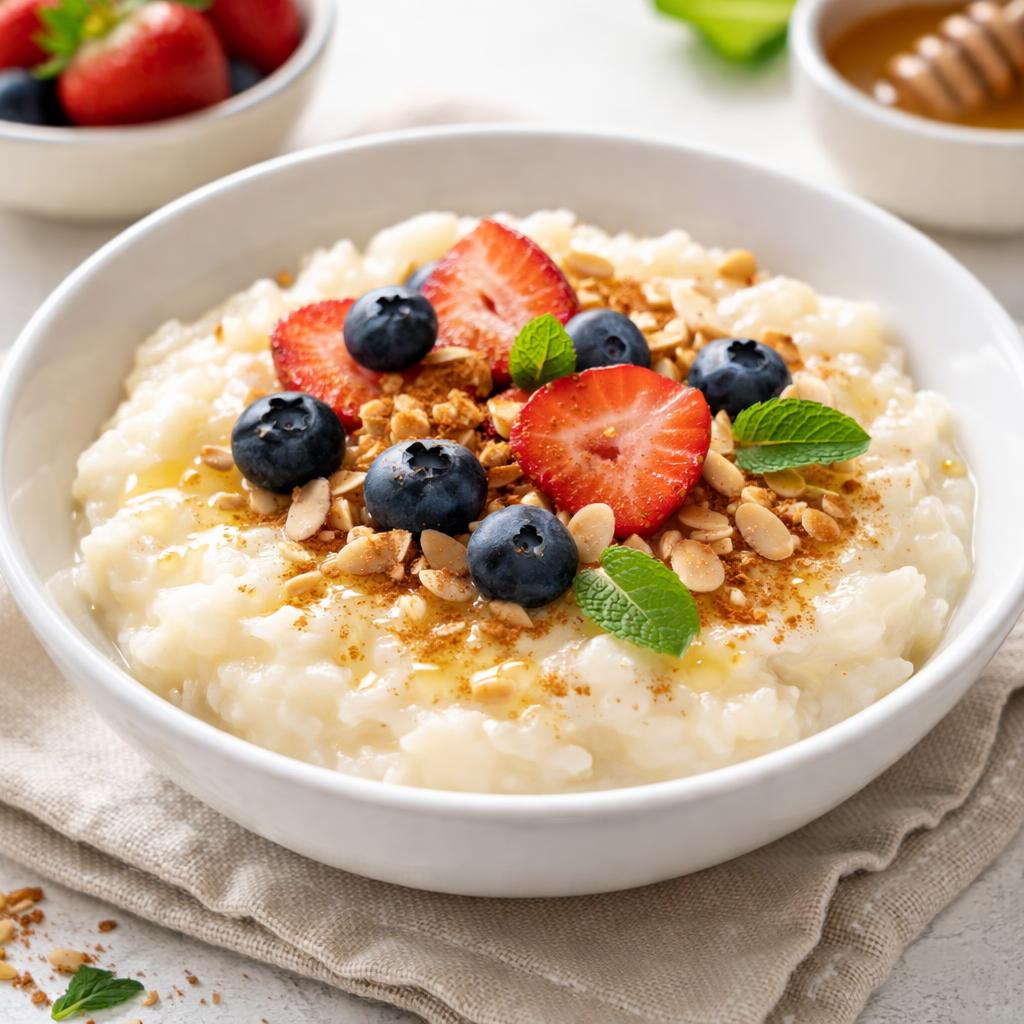
Rice Porridge
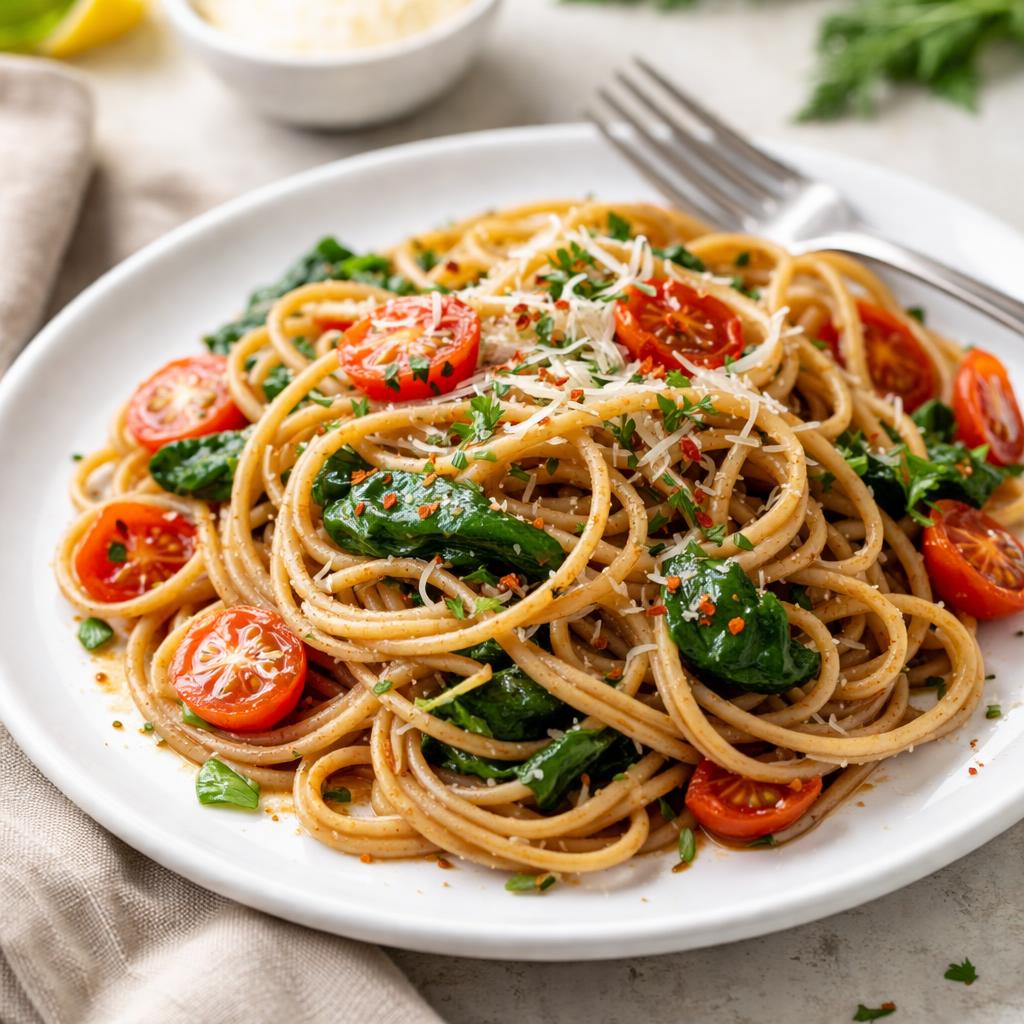
Whole Grain Pasta
🎯 Quick Verdict
Whole grain pasta is more nutrient-dense, offering higher protein and fiber per serving. Rice porridge is lower in calories and easier to digest, making it a lighter option. Choose pasta for sustained energy or porridge for a lighter, easily digestible meal, especially when sick or after workouts.

Smart Nutrition Tracking with SnapCalorie

📊 Nutritional Comparison
Macronutrients
| Nutrient | Food 1 | Food 2 | Winner |
|---|---|---|---|
| Calories | 120 | 170 | ✓ |
| Protein | 2g | 7g | ✓ |
| Carbs | 25g | 35g | ✓ |
| Fat | 0.5g | 1g | ✓ |
| Fiber | 0.3g | 6g | ✓ |
Vitamins & Minerals
| Nutrient | Food 1 | Food 2 | Winner |
|---|---|---|---|
| Vitamin B1 (Thiamine) | 0.1mg | 0.5mg | ✓ |
| Iron | 0.1mg | 1.8mg | ✓ |
| Magnesium | 9mg | 50mg | ✓ |
🏆 Category Winners
Protein
Food2 has significantly higher protein (7g vs 2g).
Fiber
Food2 includes 20 times more fiber (6g vs 0.3g).
Calories
Food1 is lighter in calories (120 vs 170).
🥗 Diet Compatibility
Keto
Food 1: Not Compatible
Food 2: Not Compatible
Both are high in carbs.
Vegan
Food 1: Compatible
Food 2: Compatible
Both are plant-based.
Gluten Free
Food 1: Compatible
Food 2: Not Compatible
Rice porridge is naturally gluten-free, but pasta contains gluten unless a gluten-free version is used.
Paleo
Food 1: Compatible
Food 2: Not Compatible
Rice porridge fits paleo diets while whole grain pasta does not.
Low-Carb
Food 1: Not Compatible
Food 2: Not Compatible
Both foods are carb-heavy and do not suit low-carb diets.
💪 Health Benefits Comparison
Food 1 Benefits
- Easy to digest, ideal for sensitive stomachs
- Lower calorie content for weight management
- Naturally gluten-free
Food 2 Benefits
- High in fiber for better digestion and satiety
- Rich in protein for muscle repair and energy
- Contains essential minerals like iron and magnesium
✅ The Bottom Line
Choose rice porridge for light meals, sensitive stomachs, or during recovery periods. Opt for whole grain pasta to increase fiber, sustain energy, and boost protein intake for active lifestyles.
Choose Food 1 for: Light meals, post-recovery digestion, sensitive stomachs
Choose Food 2 for: Sustained energy, active lifestyles, nutrient-dense diets


