Rice Pilaf VS Vegetable Rice
A detailed nutritional comparison
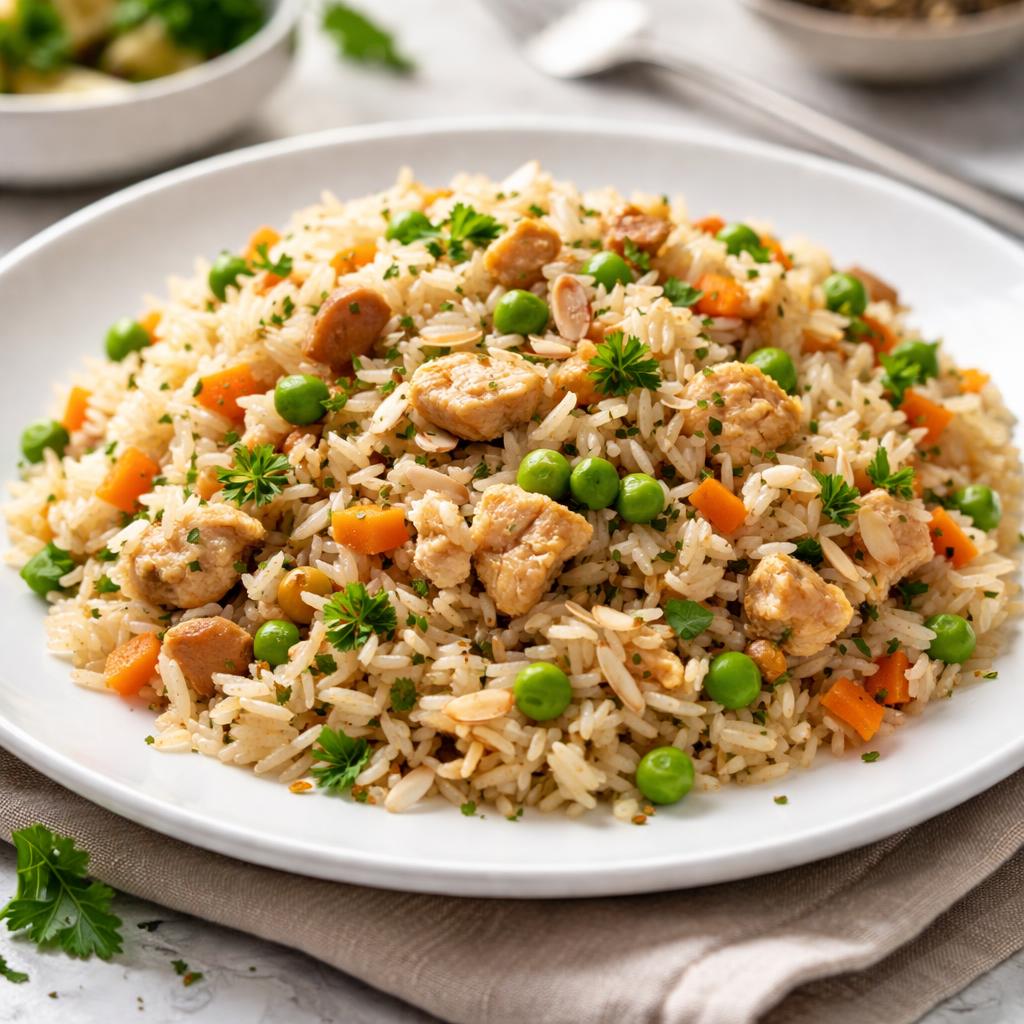
Rice Pilaf
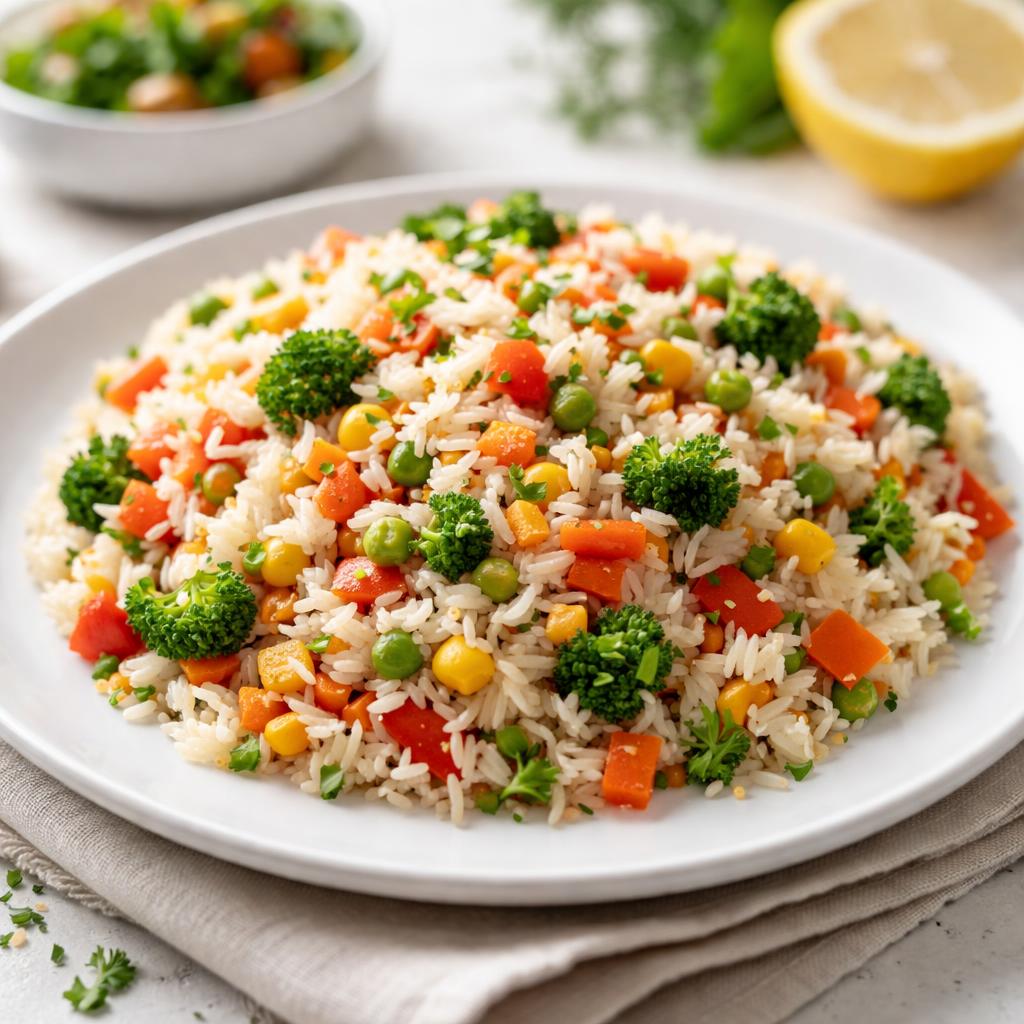
Vegetable Rice
🎯 Quick Verdict
Vegetable rice edges out rice pilaf in overall nutrition, offering higher fiber and lower calories per serving while tying in protein. Rice pilaf may be more flavorful and a preferred option for calorie-dense meals, whereas vegetable rice fits better into low-calorie, high-fiber dietary plans.

Smart Nutrition Tracking with SnapCalorie

📊 Nutritional Comparison
Macronutrients
| Nutrient | Food 1 | Food 2 | Winner |
|---|---|---|---|
| Calories | 250 | 180 | ✓ |
| Protein | 6g | 6g | − |
| Carbs | 40g | 30g | ✓ |
| Fat | 10g | 3g | ✓ |
| Fiber | 2g | 4g | ✓ |
Vitamins & Minerals
| Nutrient | Food 1 | Food 2 | Winner |
|---|---|---|---|
| Vitamin A | 50IU | 400IU | ✓ |
| Vitamin C | 4mg | 20mg | ✓ |
| Iron | 1.5mg | 2mg | ✓ |
🏆 Category Winners
Protein
Both foods offer 6g of protein per serving.
Fiber
Vegetable rice contains double the fiber of rice pilaf.
Calories
Vegetable rice has 28% fewer calories than rice pilaf.
Vitamins
Vegetable rice is richer in Vitamin A, Vitamin C, and iron due to added vegetables.
🥗 Diet Compatibility
Keto
Food 1: Not Compatible
Food 2: Not Compatible
Both are high in carbohydrates.
Vegan
Food 1: Compatible
Food 2: Compatible
Both foods can be made vegan depending on recipe.
Gluten Free
Food 1: Compatible
Food 2: Compatible
Neither contains gluten as long as gluten-free ingredients are used.
Paleo
Food 1: Not Compatible
Food 2: Not Compatible
Neither is compatible with a strict paleo diet due to grains.
Low-Carb
Food 1: Not Compatible
Food 2: Not Compatible
Both are too high in carbs for a low-carb diet.
💪 Health Benefits Comparison
Food 1 Benefits
- Provides a good balance of carbs and protein for energy and muscle repair.
- Contains healthy fats that can promote satiety.
- Offers iron for red blood cell production.
Food 2 Benefits
- High in fiber, supporting digestive health.
- Rich in vitamins A and C, boosting immunity and eye health.
- Lower in calories and fat for a lighter meal.
✅ The Bottom Line
Choose rice pilaf for hearty, flavorful meals that provide a moderate amount of protein and fats. Opt for vegetable rice if you need a lighter, nutrient-dense meal rich in vitamins and fiber. Both can fit into balanced diets but should be consumed mindfully due to carb content.
Choose Food 1 for: Flavorful sides, energy-packed meals, balanced macro intake.
Choose Food 2 for: Low-calorie meals, fiber-rich diets, nutrient-dense dishes.


