Rice Pilaf VS Chicken Curry With Rice
A detailed nutritional comparison
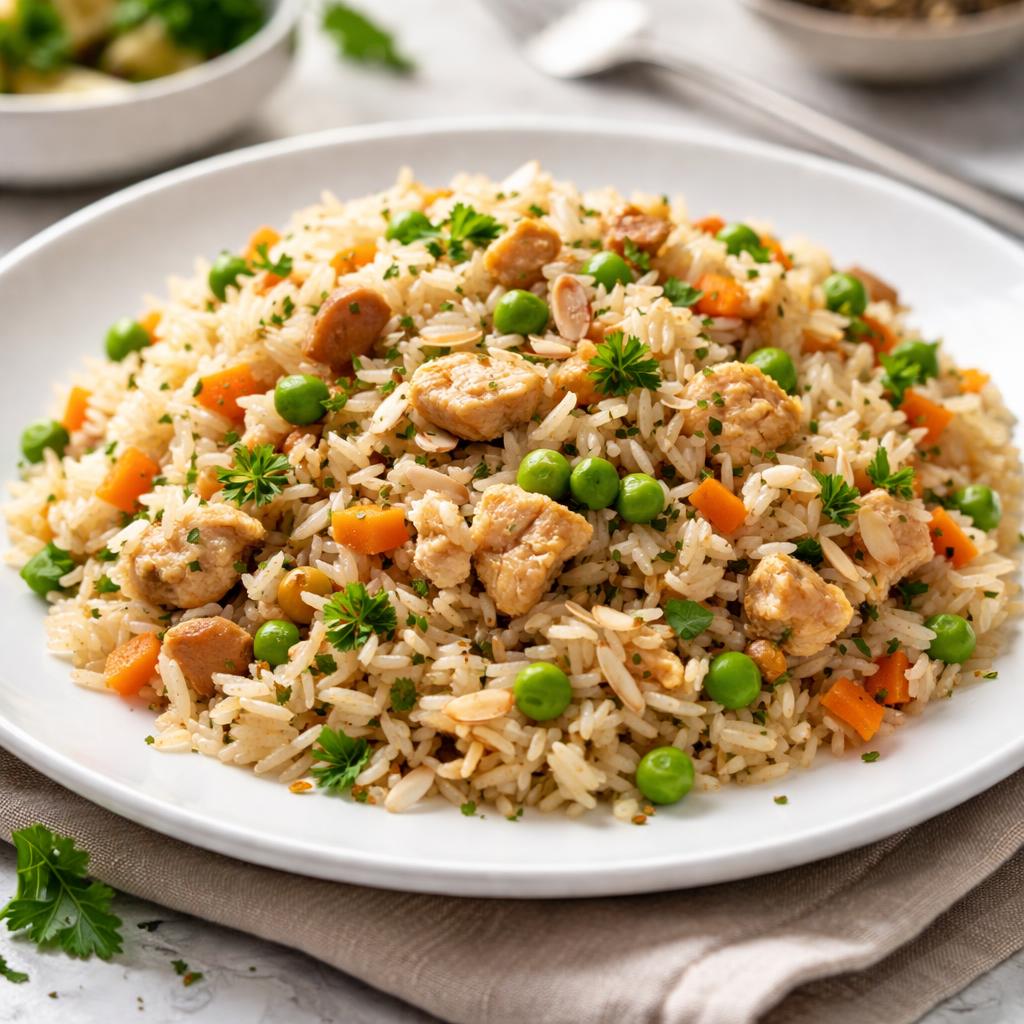
Rice Pilaf
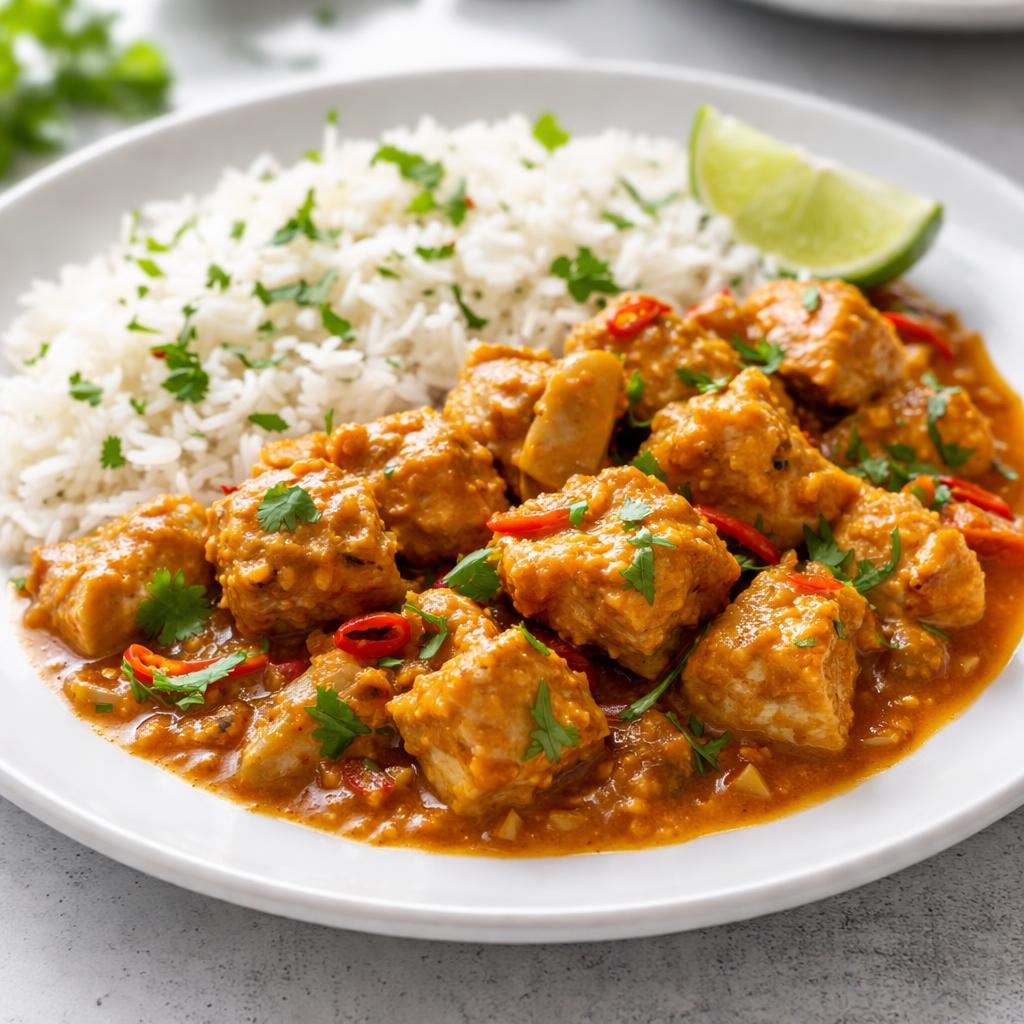
Chicken Curry With Rice
🎯 Quick Verdict
Chicken curry with rice (food2) is much higher in protein and offers more nutrient density, making it ideal for those looking to increase protein and micronutrient intake. Rice pilaf (food1), on the other hand, is lower in calories and slightly higher in fiber, making it a lighter option and preferable for weight-conscious meals or as a side dish.

Smart Nutrition Tracking with SnapCalorie

📊 Nutritional Comparison
Macronutrients
| Nutrient | Food 1 | Food 2 | Winner |
|---|---|---|---|
| Calories | 230 | 350 | ✓ |
| Protein | 6g | 26g | ✓ |
| Carbs | 42g | 30g | ✓ |
| Fat | 4g | 12g | ✓ |
| Fiber | 2g | 1g | ✓ |
Vitamins & Minerals
| Nutrient | Food 1 | Food 2 | Winner |
|---|---|---|---|
| Vitamin A | 0mcg | 250mcg | ✓ |
| Vitamin C | 0mg | 10mg | ✓ |
| Calcium | 20mg | 40mg | ✓ |
| Iron | 1mg | 2mg | ✓ |
🏆 Category Winners
Protein
Chicken curry with rice has over 4 times the protein of rice pilaf.
Fiber
Rice pilaf has 100% more fiber per serving.
Calories
Rice pilaf has 34% fewer calories, making it a lower-calorie option.
Vitamins
Chicken curry with rice provides significantly higher levels of vitamins A, C, calcium, and iron.
🥗 Diet Compatibility
Keto
Food 1: Not Compatible
Food 2: Not Compatible
Both foods are high in carbs due to the rice content.
Vegan
Food 1: Compatible
Food 2: Not Compatible
Rice pilaf is plant-based, while chicken curry contains meat.
Gluten Free
Food 1: Compatible
Food 2: Compatible
Neither food contains gluten when prepared traditionally.
Paleo
Food 1: Not Compatible
Food 2: Not Compatible
Both foods contain rice, which is not paleo-approved.
Low Carb
Food 1: Not Compatible
Food 2: Not Compatible
Both foods have more than 20g of carbs per serving.
💪 Health Benefits Comparison
Food 1 Benefits
- Lower calorie option for weight management
- Moderate fiber content supports digestion
- Provides carbohydrates for quick energy
Food 2 Benefits
- High in protein for muscle growth and repair
- Rich in vitamins A and C for immune and skin health
- Contains healthy fats that support heart health
✅ The Bottom Line
Rice pilaf is a lighter, low-calorie option best suited for weight-conscious meals or as a side dish complementing proteins. Chicken curry with rice is a more nutrient-dense, high-protein dish ideal for post-workout recovery, muscle building, or energy-packed main meals.
Choose Food 1 for: Weight-conscious meals, vegetarian diets, quick energy
Choose Food 2 for: Post-workout, muscle building, nutrient-dense meals


