Rice Noodles VS Wheat Flour
A detailed nutritional comparison
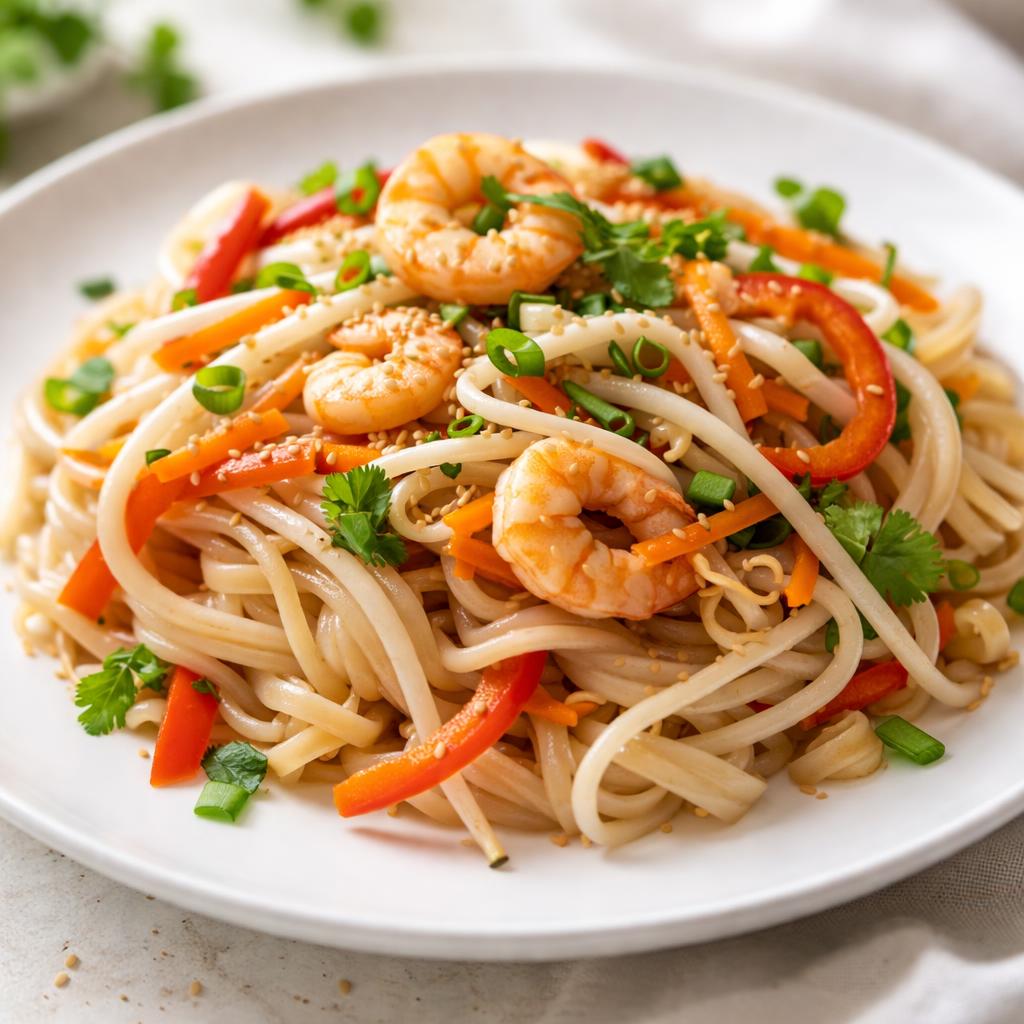
Rice Noodles
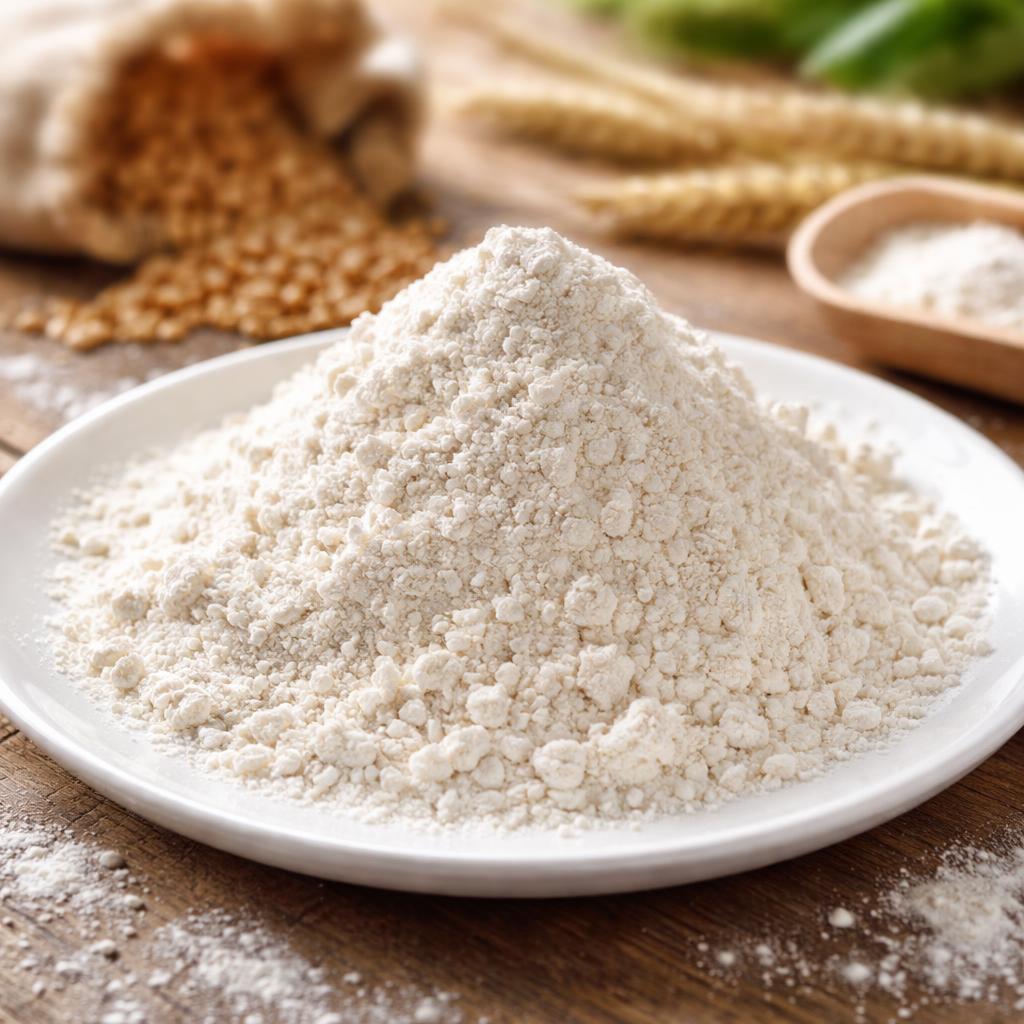
Wheat Flour
🎯 Quick Verdict
Rice noodles are lower in calories and carbs compared to wheat flour, making them a better choice for low-calorie diets. Wheat flour, however, is richer in protein, fiber, and minerals, making it a more nutrient-dense option suitable for balanced diets and baking.

Smart Nutrition Tracking with SnapCalorie

📊 Nutritional Comparison
Macronutrients
| Nutrient | Food 1 | Food 2 | Winner |
|---|---|---|---|
| Calories | 192 per 1 cup (185g cooked) | 455 per 100g | ✓ |
| Protein | 3.1g per 1 cup | 12g per 100g | ✓ |
| Carbs | 44g per 1 cup | 95g per 100g | ✓ |
| Fat | 0.4g per 1 cup | 1.5g per 100g | ✓ |
| Fiber | 0.9g per 1 cup | 3.4g per 100g | ✓ |
Vitamins & Minerals
| Nutrient | Food 1 | Food 2 | Winner |
|---|---|---|---|
| Vitamin B6 | 0.03mg per 1 cup | 0.11mg per 100g | ✓ |
| Iron | 0.4mg per 1 cup | 1.2mg per 100g | ✓ |
| Magnesium | 11mg per 1 cup | 22mg per 100g | ✓ |
🏆 Category Winners
Protein
Wheat flour provides nearly 4 times more protein per serving.
Fiber
Wheat flour delivers almost 4 times more fiber than rice noodles.
Calories
Rice noodles have less than half the calories of wheat flour per comparable serving weight.
Vitamins
Vitamin and mineral content in wheat flour, such as iron and magnesium, is significantly higher.
🥗 Diet Compatibility
Keto
Food 1: Not Compatible
Food 2: Not Compatible
Both are high in carbohydrates.
Vegan
Food 1: Compatible
Food 2: Compatible
Both foods are plant-based.
Gluten Free
Food 1: Compatible
Food 2: Not Compatible
Rice noodles are gluten-free, but wheat flour contains gluten.
Paleo
Food 1: Compatible
Food 2: Not Compatible
Rice noodles align with paleo diets due to their lack of processed grains.
Low-Carb
Food 1: Not Compatible
Food 2: Not Compatible
Both foods are predominantly carbohydrate-based.
💪 Health Benefits Comparison
Food 1 Benefits
- Low in calories, ideal for weight management
- Contains minimal fat for heart health
- Naturally gluten-free suitable for celiac disease or gluten intolerance
Food 2 Benefits
- High in protein for muscle maintenance
- Rich in fiber for gut health and satiety
- Provides essential minerals like iron and magnesium for overall health
✅ The Bottom Line
Rice noodles are best for lower-calorie, gluten-free, or paleo diets, with limited nutritional density. Wheat flour is a better choice for protein and fiber-rich recipes, making it ideal for baking and general balanced diets.
Choose Food 1 for: Weight management, gluten-free diets, paleo recipes
Choose Food 2 for: Baking, balanced diets, muscle support, fiber-rich meals


