Rice Noodles VS Steamed Rice
A detailed nutritional comparison
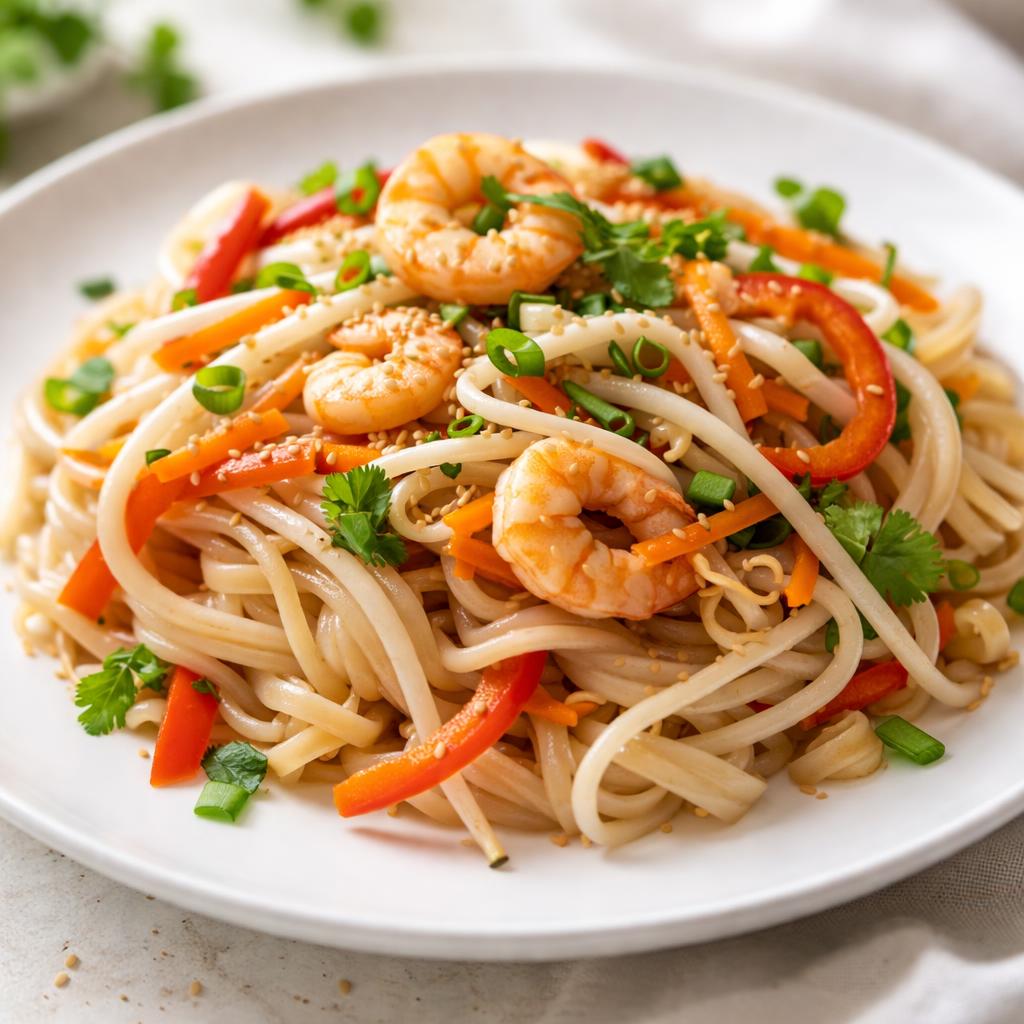
Rice Noodles
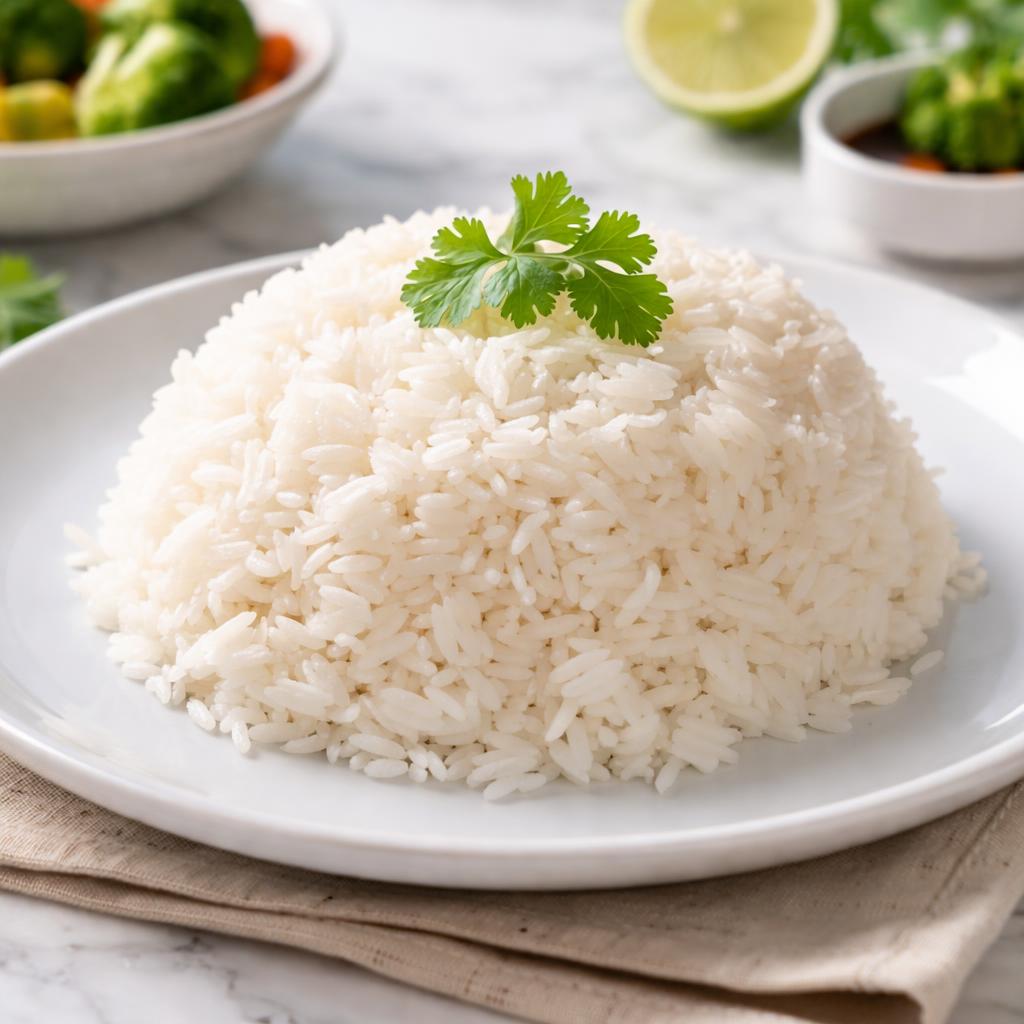
Steamed Rice
🎯 Quick Verdict
Rice noodles and steamed rice have notable differences despite both being rice-based. Rice noodles have slightly more fiber, making them better for digestion, while steamed rice has lower calories and is slightly more nutrient dense overall. Choose steamed rice for lighter meals and rice noodles for variety or fiber-focused dishes.

Smart Nutrition Tracking with SnapCalorie

📊 Nutritional Comparison
Macronutrients
| Nutrient | Food 1 | Food 2 | Winner |
|---|---|---|---|
| Calories | 192 (per cup) | 160 (per cup) | ✓ |
| Protein | 3g | 3g | − |
| Carbs | 44g | 36g | ✓ |
| Fat | 0.4g | 0.3g | ✓ |
| Fiber | 1g | 0.5g | ✓ |
Vitamins & Minerals
| Nutrient | Food 1 | Food 2 | Winner |
|---|---|---|---|
| Vitamin D | 0mcg | 0mcg | − |
| Calcium | 10mg | 6mg | ✓ |
| Iron | 0.6mg | 0.3mg | ✓ |
🏆 Category Winners
Protein
Both rice noodles and steamed rice contain 3g of protein per serving.
Fiber
Rice noodles have 1g of fiber, making them double the fiber content of steamed rice.
Calories
Steamed rice is lower in calories, with 160 calories per cup compared to 192 for rice noodles.
🥗 Diet Compatibility
Keto
Food 1: Not Compatible
Food 2: Not Compatible
Both foods are high in carbs and unsuitable for keto diets.
Vegan
Food 1: Compatible
Food 2: Compatible
Both rice noodles and steamed rice are plant-based and vegan-friendly.
Gluten Free
Food 1: Compatible
Food 2: Compatible
Neither contains gluten, making them safe for gluten-free diets.
Paleo
Food 1: Not Compatible
Food 2: Compatible
Steamed rice is sometimes allowed in modified paleo diets, whereas rice noodles are not.
Low-Carb
Food 1: Not Compatible
Food 2: Not Compatible
Both foods are high in carbohydrates and unsuitable for low-carb diets.
💪 Health Benefits Comparison
Food 1 Benefits
- Contains more fiber for digestive health
- Provides a small amount of calcium for bone health
- Low in fat, suitable for heart-healthy diets
Food 2 Benefits
- Low in calories for weight management
- Good source of easily digestible carbohydrates for quick energy
- Contains trace minerals for overall health
✅ The Bottom Line
Steamed rice wins overall for lower calorie content and suitability for lighter meal options, while rice noodles stand out slightly in fiber and mineral content. Use steamed rice for weight management and versatile meal preparation, and opt for rice noodles when you need additional fiber or a unique texture.
Choose Food 1 for: Fiber-focused meals, texture variety, digestion improvement
Choose Food 2 for: Low-calorie meals, energy boost, side dishes


