Rice Noodles VS Pasta Sauce
A detailed nutritional comparison
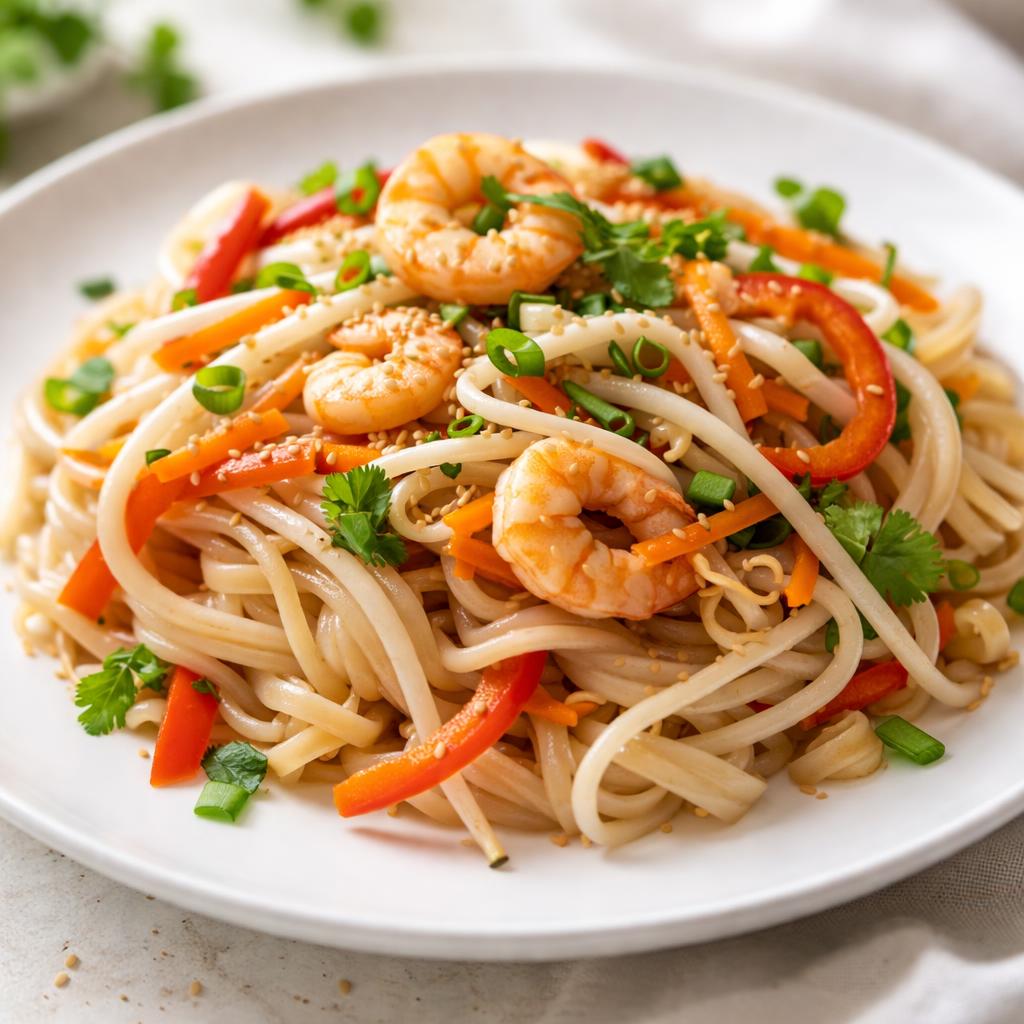
Rice Noodles
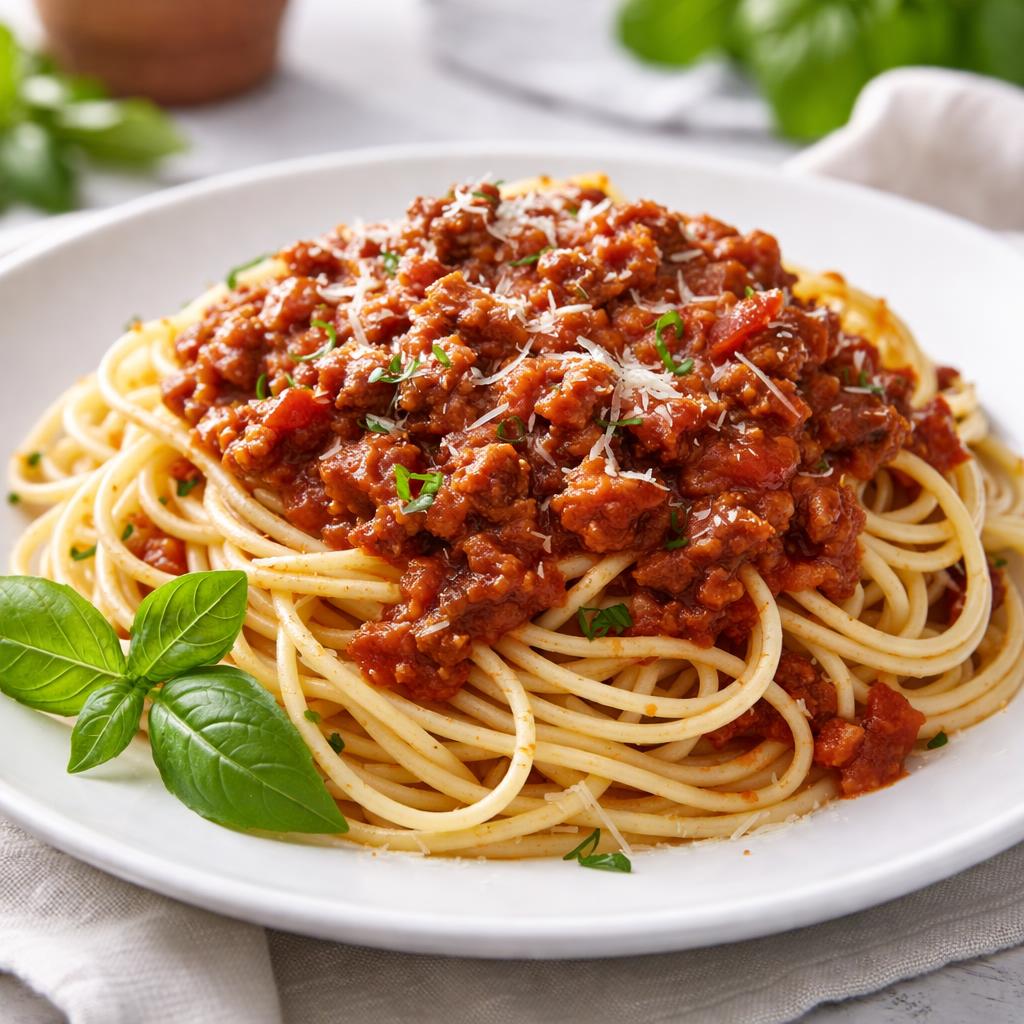
Pasta Sauce
🎯 Quick Verdict
Rice noodles are lower in calories and primarily composed of carbohydrates, making them ideal for energy-focused meals. Pasta sauce typically provides protein, fiber, and vitamins, making it a nutritionally dense topping that complements rice noodles well. Pasta sauce is better for adding micronutrients, while rice noodles serve as the carb base for balanced meals.

Smart Nutrition Tracking with SnapCalorie

📊 Nutritional Comparison
Macronutrients
| Nutrient | Food 1 | Food 2 | Winner |
|---|---|---|---|
| Calories | 192 calories (per 1 cup cooked) | 70 calories (per 1/2 cup) | ✓ |
| Protein | 3g | 2g | ✓ |
| Carbs | 44g | 10g | ✓ |
| Fat | 0.4g | 3g | ✓ |
| Fiber | 0.8g | 2g | ✓ |
Vitamins & Minerals
| Nutrient | Food 1 | Food 2 | Winner |
|---|---|---|---|
| Vitamin C | 0mg | 15mg | ✓ |
| Vitamin A | 0IU | 750IU | ✓ |
| Iron | 0.6mg | 1.9mg | ✓ |
🏆 Category Winners
Protein
Protein content is similar, though rice noodles have slightly more by serving size.
Fiber
Pasta sauce has more fiber overall, making it beneficial for digestion.
Calories
Food2 has significantly fewer calories per serving, making it better for calorie-conscious diets.
Vitamins
Pasta sauce is a richer source of vitamins such as A and C.
🥗 Diet Compatibility
Keto
Food 1: Not Compatible
Food 2: Limited Compatibility
Rice noodles are high in carbs, while pasta sauce can fit keto if carbs remain controlled.
Vegan
Food 1: Compatible
Food 2: Compatible
Both foods are plant-based with no animal-derived ingredients.
Gluten Free
Food 1: Compatible
Food 2: Compatible
Rice noodles are naturally gluten-free, and many pasta sauces are free of gluten as well.
Paleo
Food 1: Compatible
Food 2: Limited compatibility
Rice noodles are paleo-friendly, but verify sauce ingredients to ensure compliance.
Low-Carb
Food 1: Not Compatible
Food 2: Partially Compatible
Rice noodles are high in carbohydrates, but pasta sauce has lower carbs depending on brand and serving size.
💪 Health Benefits Comparison
Food 1 Benefits
- Provides quick and easily digestible carbohydrates for energy
- Low in fat and cholesterol
- Gluten-free for those with sensitivities
Food 2 Benefits
- Rich in vitamins A and C for immune function and eye health
- Higher fiber for improved gut health
- Antioxidants from tomatoes, aiding in heart disease prevention
✅ The Bottom Line
Rice noodles are an excellent low-fat, carbohydrate-rich base for meals, while pasta sauce adds fiber, vitamins, and more robust nutrition to dishes. For lean recipes, pair rice noodles with protein and vegetables, while pasta sauce is a flavorful addition to nutrient-packed dishes.
Choose Food 1 for: High-energy meals, gluten-free diets, quick food prep
Choose Food 2 for: Nutrient-dense toppings, heart health, fiber-focused diets


