Rice Noodles VS Instant Noodles
A detailed nutritional comparison
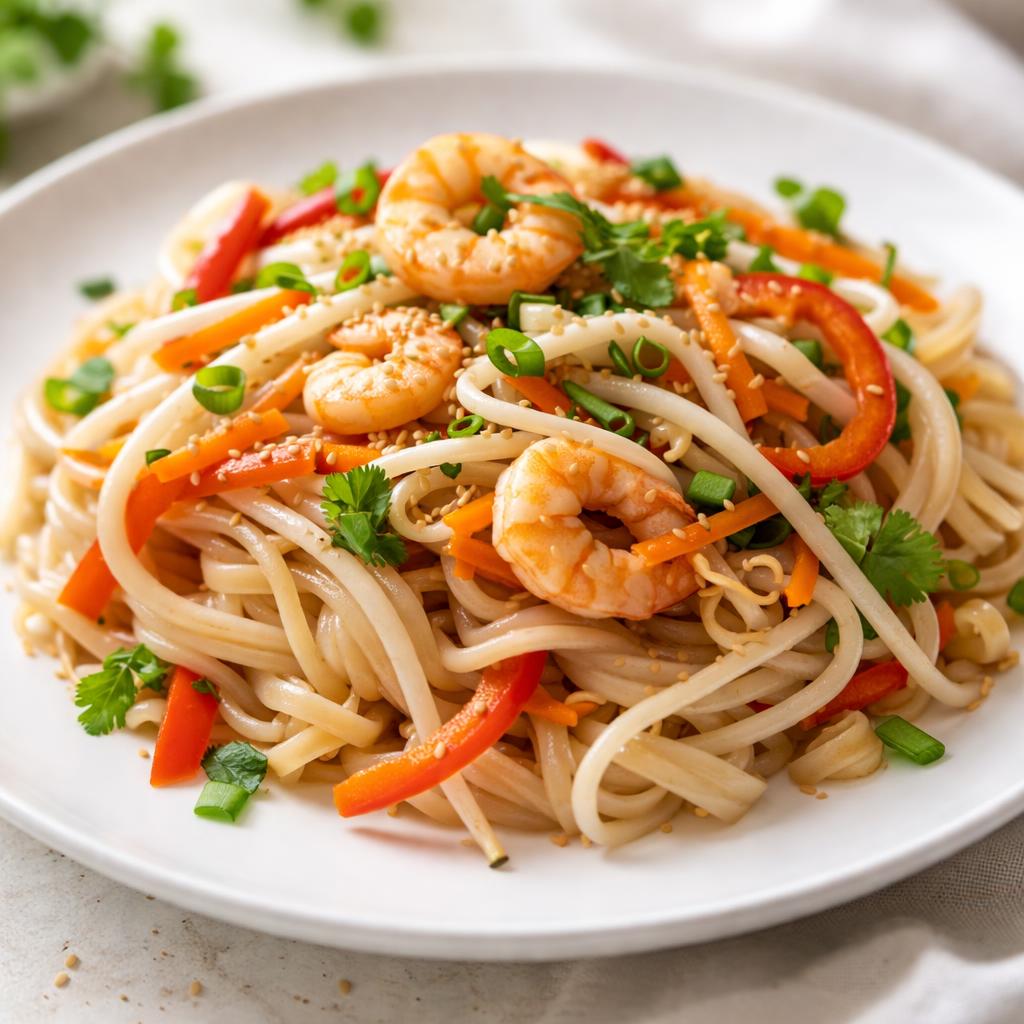
Rice Noodles
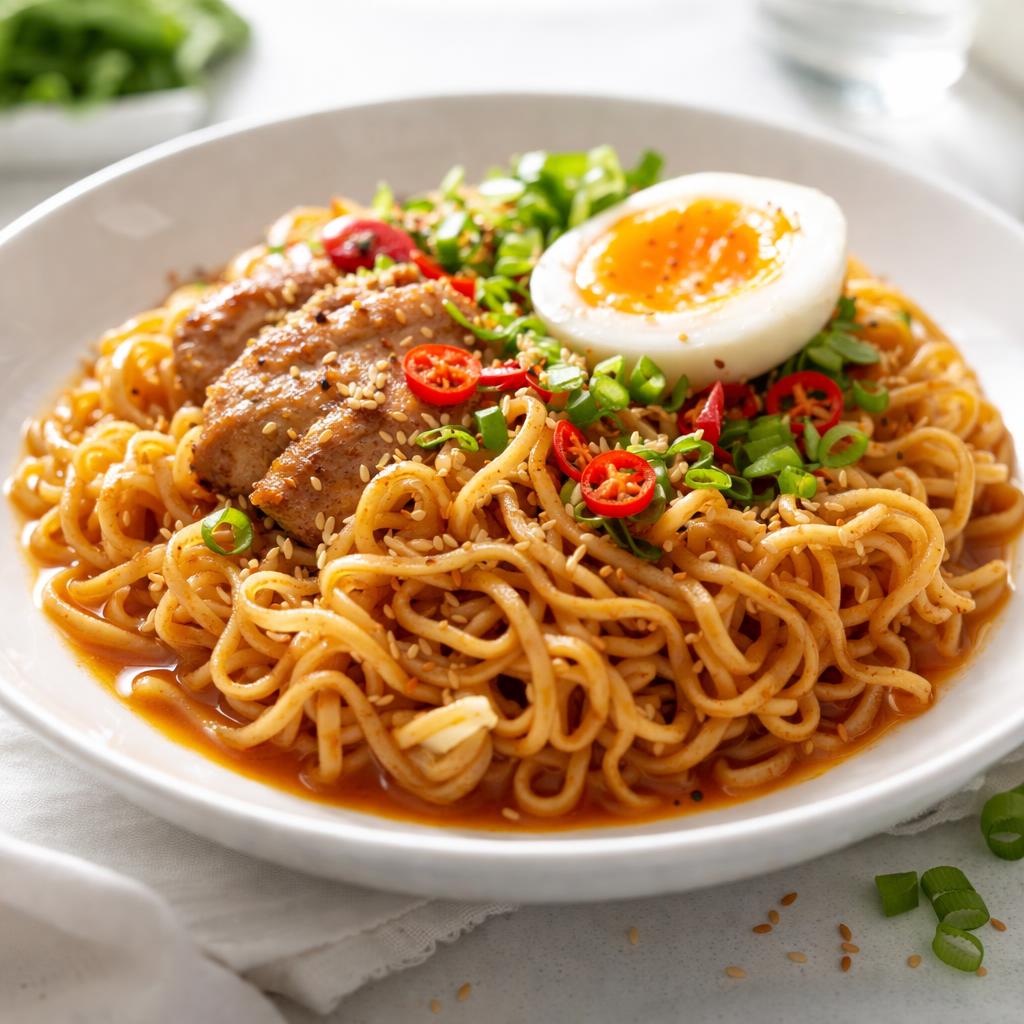
Instant Noodles
🎯 Quick Verdict
Rice noodles and instant noodles differ significantly in their nutritional profiles. Rice noodles are lower in calories and fat, making them a leaner choice, while instant noodles offer higher protein and fiber but also come with higher sodium and fat content. Rice noodles are better for low-fat diets, while instant noodles might suit high-protein needs but require careful moderation due to additives and sodium levels.

Smart Nutrition Tracking with SnapCalorie

📊 Nutritional Comparison
Macronutrients
| Nutrient | Food 1 | Food 2 | Winner |
|---|---|---|---|
| Calories | 190 (per cup) | 380 (per serving) | − |
| Protein | 3g | 6g | − |
| Carbs | 42g | 49g | − |
| Fat | 0.3g | 14g | − |
| Fiber | 0.9g | 2g | − |
Vitamins & Minerals
| Nutrient | Food 1 | Food 2 | Winner |
|---|---|---|---|
| Sodium | 14mg | 850mg | − |
| Iron | 0.3mg | 2mg | − |
| Vitamin B6 | 0mg | 0.2mg | − |
🏆 Category Winners
Protein
Instant noodles contain twice the protein of rice noodles.
Fiber
Instant noodles offer more than double the fiber content.
Calories
Rice noodles are lower in calories, ideal for weight management.
Vitamins
Instant noodles have higher iron and vitamin B6 but come with excessive sodium.
🥗 Diet Compatibility
Keto
Food 1: Not Compatible
Food 2: Not Compatible
Both are high in carbs.
Vegan
Food 1: Compatible
Food 2: Compatible
Both are plant-based (verify ingredient lists for seasoning packets in instant noodles).
Gluten Free
Food 1: Compatible
Food 2: Not Compatible
Rice noodles are naturally gluten-free, while instant noodles usually contain wheat.
Paleo
Food 1: Not Compatible
Food 2: Not Compatible
Both contain processed starches and grains.
Low-Carb
Food 1: Not Compatible
Food 2: Not Compatible
Carbohydrates are high in both foods, making them unsuitable for low-carb diets.
💪 Health Benefits Comparison
Food 1 Benefits
- Low in fat, good for heart health
- Provides quick digestible energy
- Naturally gluten-free for those with intolerances
Food 2 Benefits
- Higher in protein for muscle repair
- Contains more fiber to support digestion
- Provides minerals like iron for oxygen transport
✅ The Bottom Line
Choose rice noodles when looking for a lighter, cleaner option with lower calories and fat, especially for gluten-free diets. Opt for instant noodles if you need more protein and fiber in your meal but watch out for sodium and fat content in moderation.
Choose Food 1 for: Low-calorie meals, gluten-free diets, light dishes
Choose Food 2 for: Quick meals, higher protein intake, fiber boost


