Rice Cake VS Pasta With Pesto
A detailed nutritional comparison
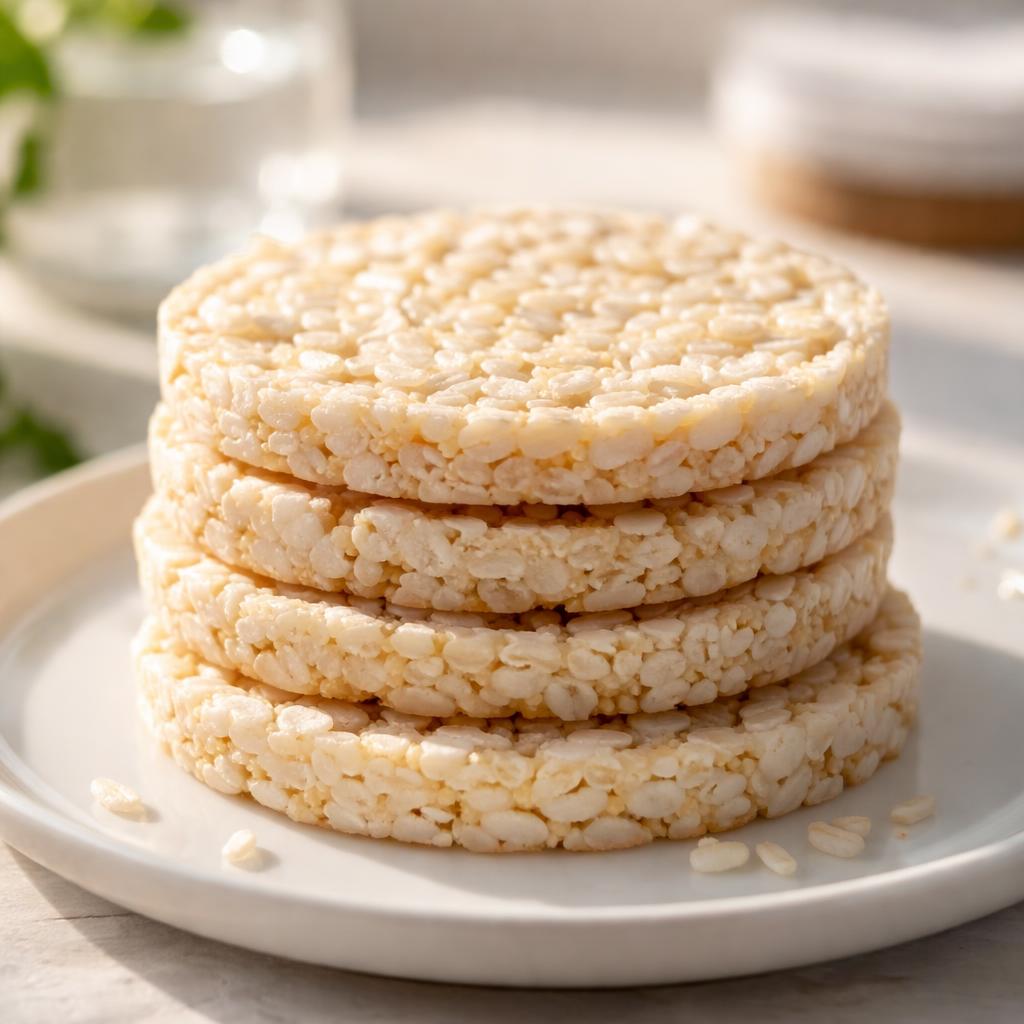
Rice Cake
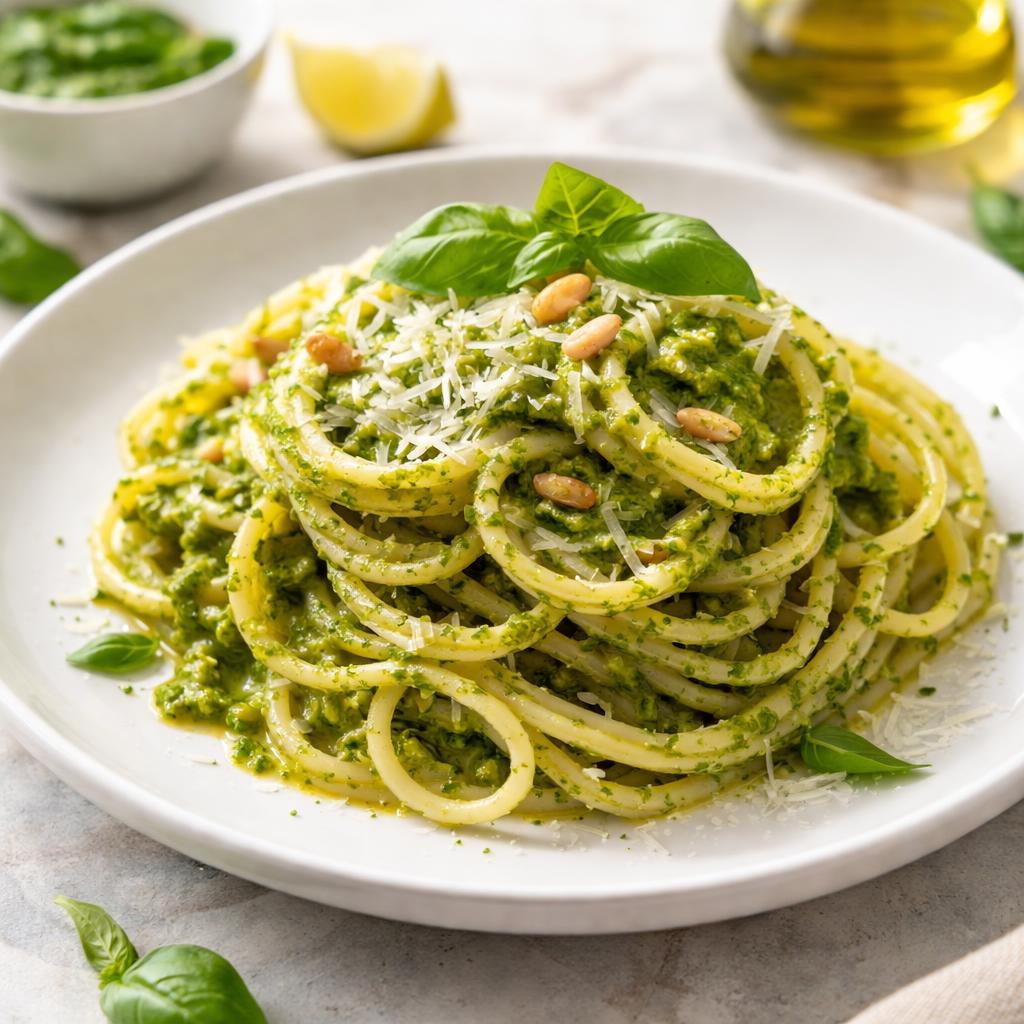
Pasta With Pesto
🎯 Quick Verdict
Rice cakes are low-calorie, light, and ideal for snacking or weight loss diets, while pasta with pesto offers more protein, healthy fats, and fiber, making it better for sustained energy and nutrient density. Both suit different dietary needs based on goals—weight loss vs nutrient-rich meals.

Smart Nutrition Tracking with SnapCalorie

📊 Nutritional Comparison
Macronutrients
| Nutrient | Food 1 | Food 2 | Winner |
|---|---|---|---|
| Calories | 35 per rice cake | 400 per cup | ✓ |
| Protein | 0.6g per rice cake | 10g per cup | ✓ |
| Carbs | 7g per rice cake | 43g per cup | ✓ |
| Fat | 0g per rice cake | 15g per cup (due to pesto) | ✓ |
| Fiber | 0.2g per rice cake | 3g per cup | ✓ |
Vitamins & Minerals
| Nutrient | Food 1 | Food 2 | Winner |
|---|---|---|---|
| Vitamin D | 0mcg | 0mcg | − |
| Calcium | 0mg | 125mg per cup | ✓ |
| Iron | 0.1mg per rice cake | 2mg per cup | ✓ |
🏆 Category Winners
Protein
Pasta with pesto delivers substantially more protein (10g vs 0.6g).
Fiber
Pasta with pesto contains significantly more fiber (3g vs 0.2g).
Calories
Rice cakes have far fewer calories (35 vs 400).
Vitamins
Pasta with pesto provides higher amounts of calcium and iron.
🥗 Diet Compatibility
Keto
Food 1: Not Compatible
Food 2: Not Compatible
Both are high-carb foods not suited for keto diets.
Vegan
Food 1: Compatible
Food 2: Compatible if pesto is made without dairy
Rice cakes are plant-based, and pesto can be vegan depending on preparation.
Gluten Free
Food 1: Compatible if gluten-free variety
Food 2: Not Compatible
Rice cakes can be gluten-free, but pasta is typically made from wheat unless specified gluten-free.
Paleo
Food 1: Not Compatible
Food 2: Not Compatible
Neither rice cakes nor pasta with pesto align with strict paleo guidelines.
Low-Carb
Food 1: Compatible
Food 2: Not Compatible
Rice cakes contain fewer carbs than pasta with pesto.
💪 Health Benefits Comparison
Food 1 Benefits
- Low in calories, great for weight loss
- Quick energy source from simple carbs
- Low-fat and light snack option
Food 2 Benefits
- Rich in protein for muscle recovery
- Contains healthy fats from pesto for heart health
- Good source of fiber for better digestion
- Provides essential minerals like calcium and iron
✅ The Bottom Line
Choose rice cakes for weight loss or low-calorie diets, and pasta with pesto for nutrient density, sustained energy, and a hearty, filling meal. Each has distinct advantages based on dietary purposes.
Choose Food 1 for: Low-calorie snacking, quick energy, weight loss diets
Choose Food 2 for: Sustained energy, nutrient-dense meals, muscle recovery


