Rice Cake VS Cauliflower Rice
A detailed nutritional comparison
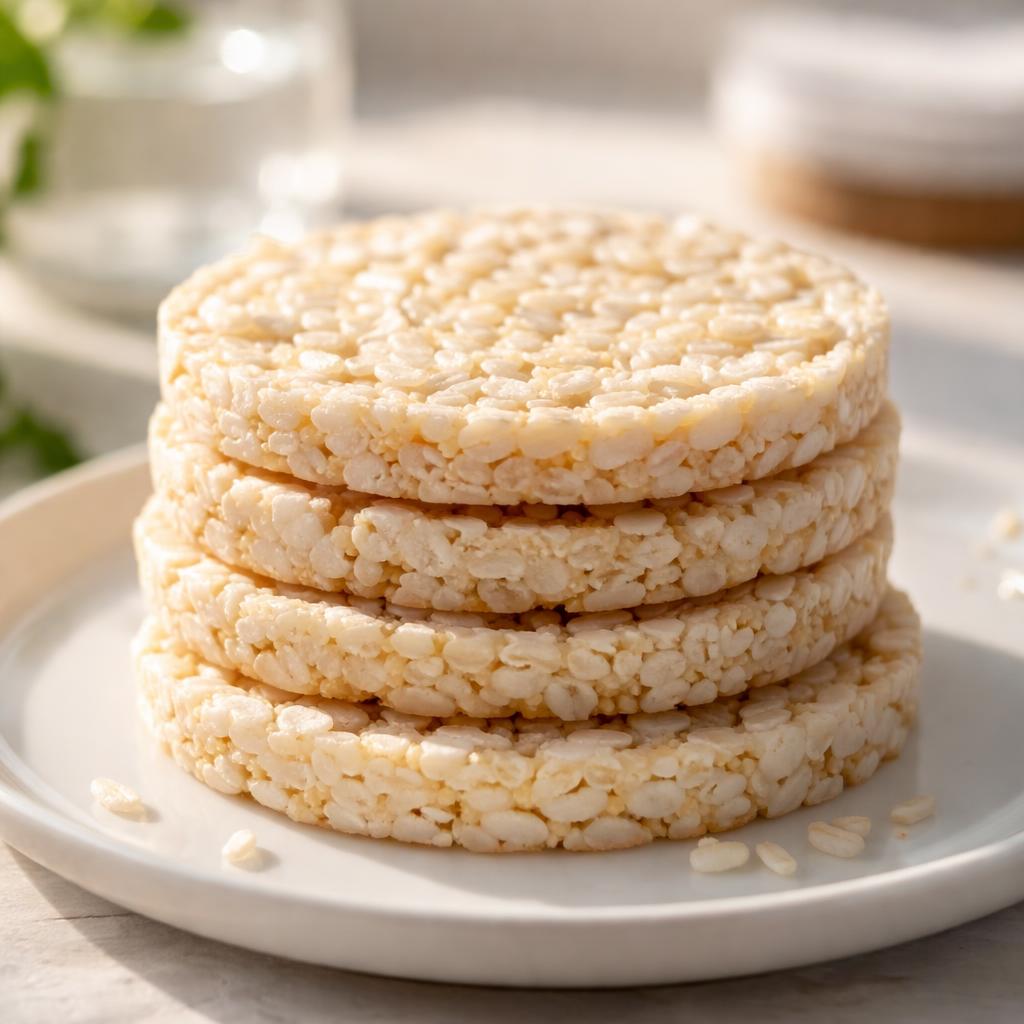
Rice Cake
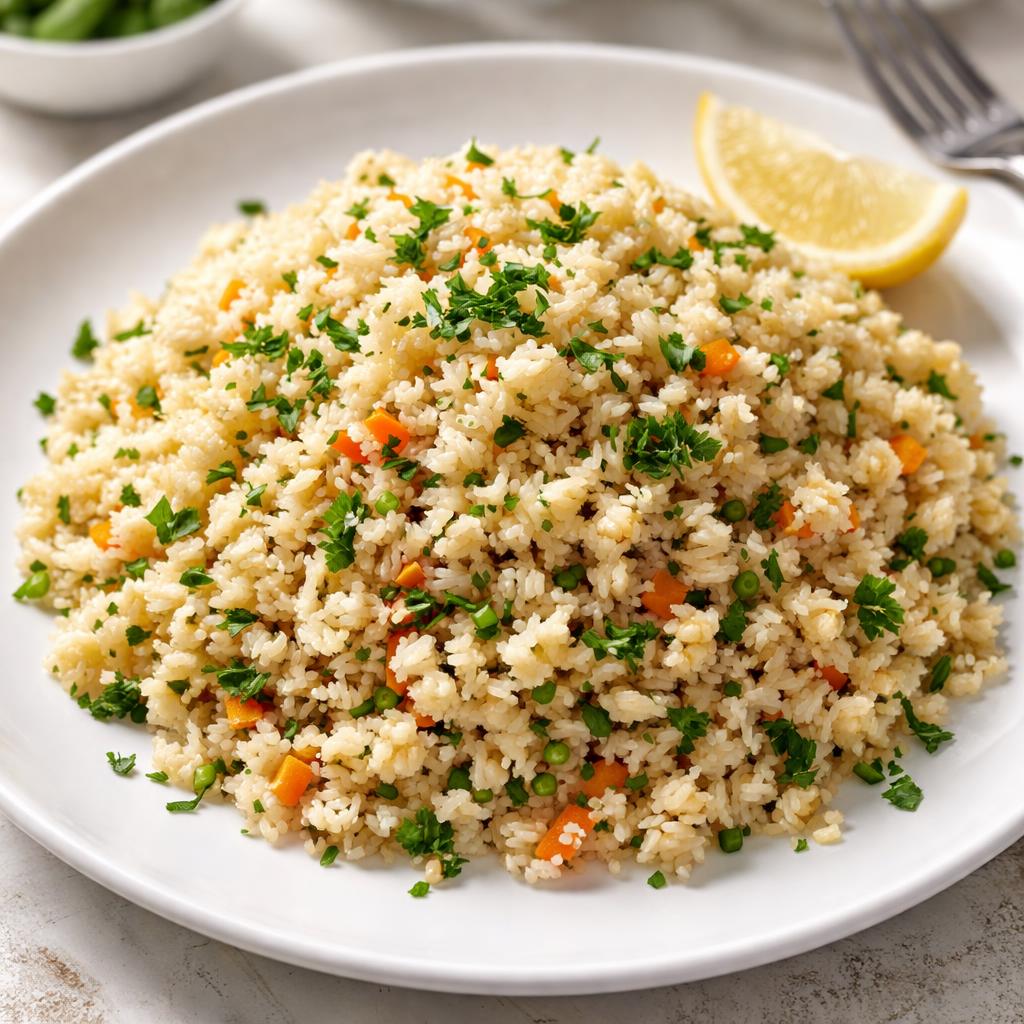
Cauliflower Rice
🎯 Quick Verdict
Cauliflower rice emerges as the more nutrient-dense option compared to rice cakes, with significantly fewer calories, higher protein, and greater fiber content. Rice cakes are convenient for quick energy but lack the depth of nutrients found in cauliflower rice, making the latter a better choice for balanced nutrition and lower-carb diets.

Smart Nutrition Tracking with SnapCalorie

📊 Nutritional Comparison
Macronutrients
| Nutrient | Food 1 | Food 2 | Winner |
|---|---|---|---|
| Calories | 35 | 25 | ✓ |
| Protein | 0.7g | 2g | ✓ |
| Carbs | 7g | 5g | ✓ |
| Fat | 0g | 0g | − |
| Fiber | 0.1g | 2g | ✓ |
Vitamins & Minerals
| Nutrient | Food 1 | Food 2 | Winner |
|---|---|---|---|
| Vitamin C | 0mg | 48mg (80% DV) | ✓ |
| Potassium | 0mg | 320mg | ✓ |
| Calcium | 0mg | 20mg | ✓ |
| Iron | 0mg | 0.27mg | ✓ |
🏆 Category Winners
Protein
Cauliflower rice contains over double the protein compared to rice cakes.
Fiber
Cauliflower rice has 20x more fiber, supporting digestion.
Calories
Cauliflower rice has 30% fewer calories than rice cakes.
Vitamins
Cauliflower rice is rich in Vitamin C and other essential nutrients, while rice cakes provide minimal micronutrients.
🥗 Diet Compatibility
Keto
Food 1: Not Compatible
Food 2: Compatible
Cauliflower rice is low-carb, fitting keto diets, while rice cakes are carb-based.
Vegan
Food 1: Compatible
Food 2: Compatible
Both are plant-based and vegan-friendly.
Gluten Free
Food 1: Compatible
Food 2: Compatible
Neither food contains gluten.
Paleo
Food 1: Not Compatible
Food 2: Compatible
Cauliflower rice aligns with paleo diets due to its whole food nature, unlike processed rice cakes.
Low Carb
Food 1: Not Compatible
Food 2: Compatible
Cauliflower rice is inherently low-carb (5g per serving).
💪 Health Benefits Comparison
Food 1 Benefits
- Quick source of energy due to simple carbs
- Low calorie option for snack replacement
- Light and convenient to carry for on-the-go snacking
Food 2 Benefits
- High in Vitamin C, supporting immune health
- Rich in fiber for digestive health
- Low in calories and carbs, ideal for weight management
- Contains antioxidants and phytonutrients for overall wellness
✅ The Bottom Line
Cauliflower rice outshines rice cakes in nearly every nutritional category, making it a better choice for balanced diets, weight loss, and low-carb lifestyles. Rice cakes, however, can serve as a quick snack option when convenience and portability are priorities.
Choose Food 1 for: Quick snacks, light carb source for energy
Choose Food 2 for: Low-calorie meals, nutrient density, weight loss plans


