Quinoa VS Vegetable Rice
A detailed nutritional comparison
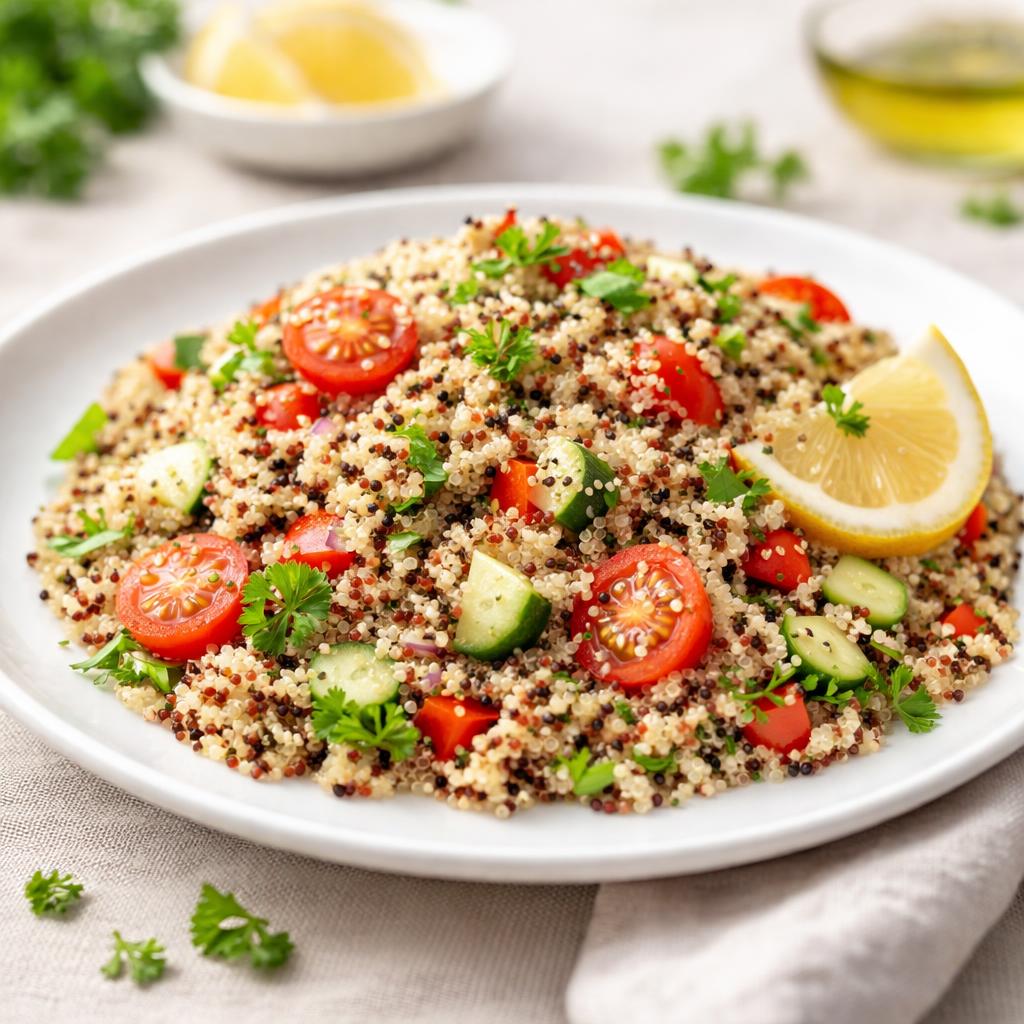
Quinoa
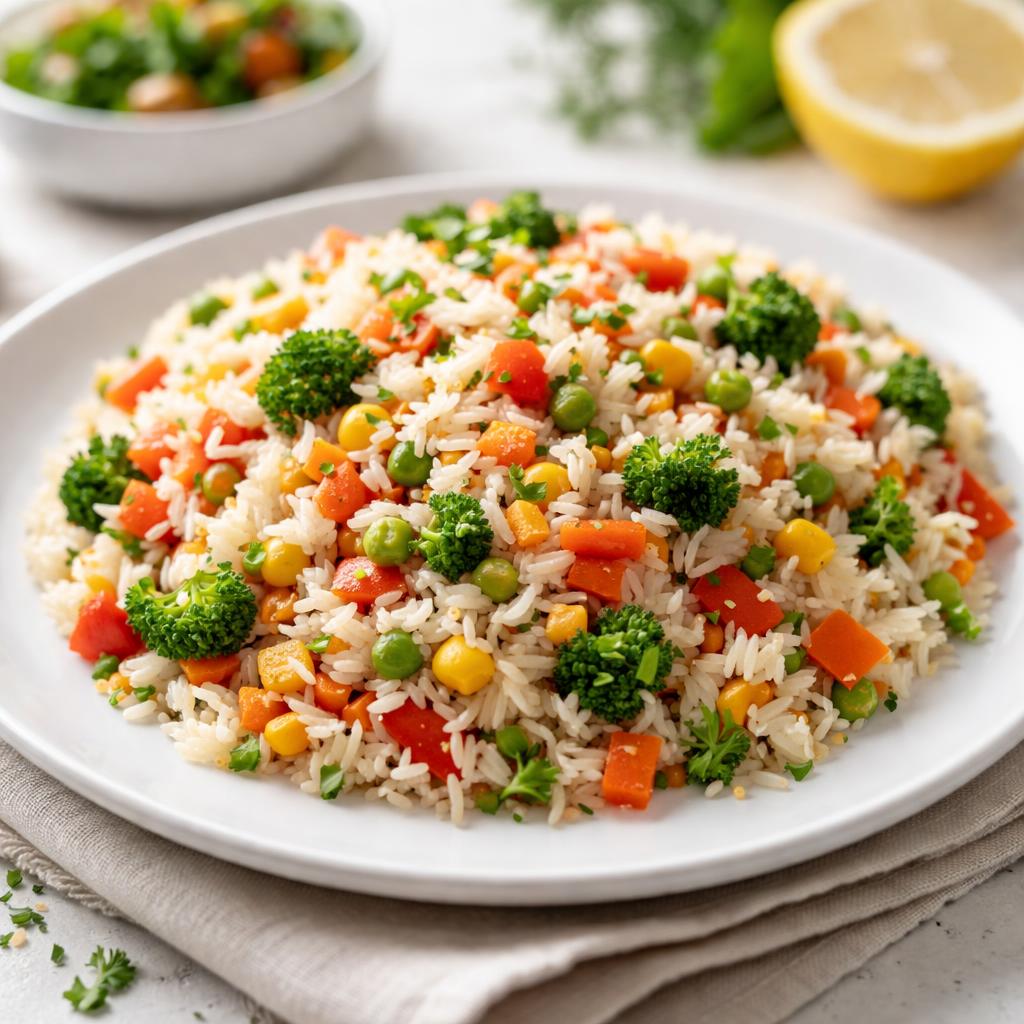
Vegetable Rice
🎯 Quick Verdict
Quinoa and vegetable rice both offer valuable nutrients but differ in specific advantages. Quinoa is higher in protein, fiber, and has fewer calories, making it ideal for weight management and muscle-building diets. Vegetable rice provides more variety in vitamins from mixed vegetables and is often lower in fat, making it a great option for nutrient density and balanced meals.

Smart Nutrition Tracking with SnapCalorie

📊 Nutritional Comparison
Macronutrients
| Nutrient | Food 1 | Food 2 | Winner |
|---|---|---|---|
| Calories | 120 per cup | 180 per cup | ✓ |
| Protein | 4g per cup | 2g per cup | ✓ |
| Carbs | 21g per cup | 28g per cup | ✓ |
| Fat | 2g per cup | 1g per cup | ✓ |
| Fiber | 2.5g per cup | 1.2g per cup | ✓ |
Vitamins & Minerals
| Nutrient | Food 1 | Food 2 | Winner |
|---|---|---|---|
| Vitamin A | 0mcg | 200mcg | ✓ |
| Vitamin C | 0mg | 15mg | ✓ |
| Iron | 1.5mg per cup | 1mg per cup | ✓ |
🏆 Category Winners
Protein
Quinoa has twice as much protein as vegetable rice per serving.
Fiber
Quinoa offers more than double the fiber content for digestion support.
Calories
Quinoa is approximately 33% lower in calories compared to vegetable rice.
Vitamins
Vegetable rice contains higher levels of Vitamin A and Vitamin C due to mixed vegetables.
🥗 Diet Compatibility
Keto
Food 1: Not Compatible
Food 2: Not Compatible
Both foods are high in carbohydrates.
Vegan
Food 1: Compatible
Food 2: Compatible
Both quinoa and vegetable rice are plant-based.
Gluten Free
Food 1: Compatible
Food 2: Compatible
Neither food contains gluten grains.
Paleo
Food 1: Not Compatible
Food 2: Compatible
While quinoa is considered a grain (not paleo), vegetable rice using non-grain ingredients fits paleo guidelines.
Low Carbohydrate
Food 1: Not Compatible
Food 2: Not Compatible
Both foods are too high in carbohydrates to be classified as low-carb.
💪 Health Benefits Comparison
Food 1 Benefits
- Rich in protein to support muscle growth and repair
- Good source of fiber to aid digestion and improve satiety
- Contains iron for improved oxygen transport and energy production
Food 2 Benefits
- High in Vitamin A for vision and skin health
- Rich in Vitamin C to boost immune function
- Lower in fat, supporting heart health and weight management
✅ The Bottom Line
Quinoa is ideal for those seeking higher protein and fiber content for weight loss or muscle maintenance. Vegetable rice is better suited for those needing vitamin variety and an easy-to-digest option with lower fat content. Both are excellent choices depending on dietary goals.
Choose Food 1 for: Muscle-building, weight management, post-workout meals
Choose Food 2 for: Balanced meals, increased vitamin intake, lighter meals


