Quinoa VS Spicy Rice
A detailed nutritional comparison
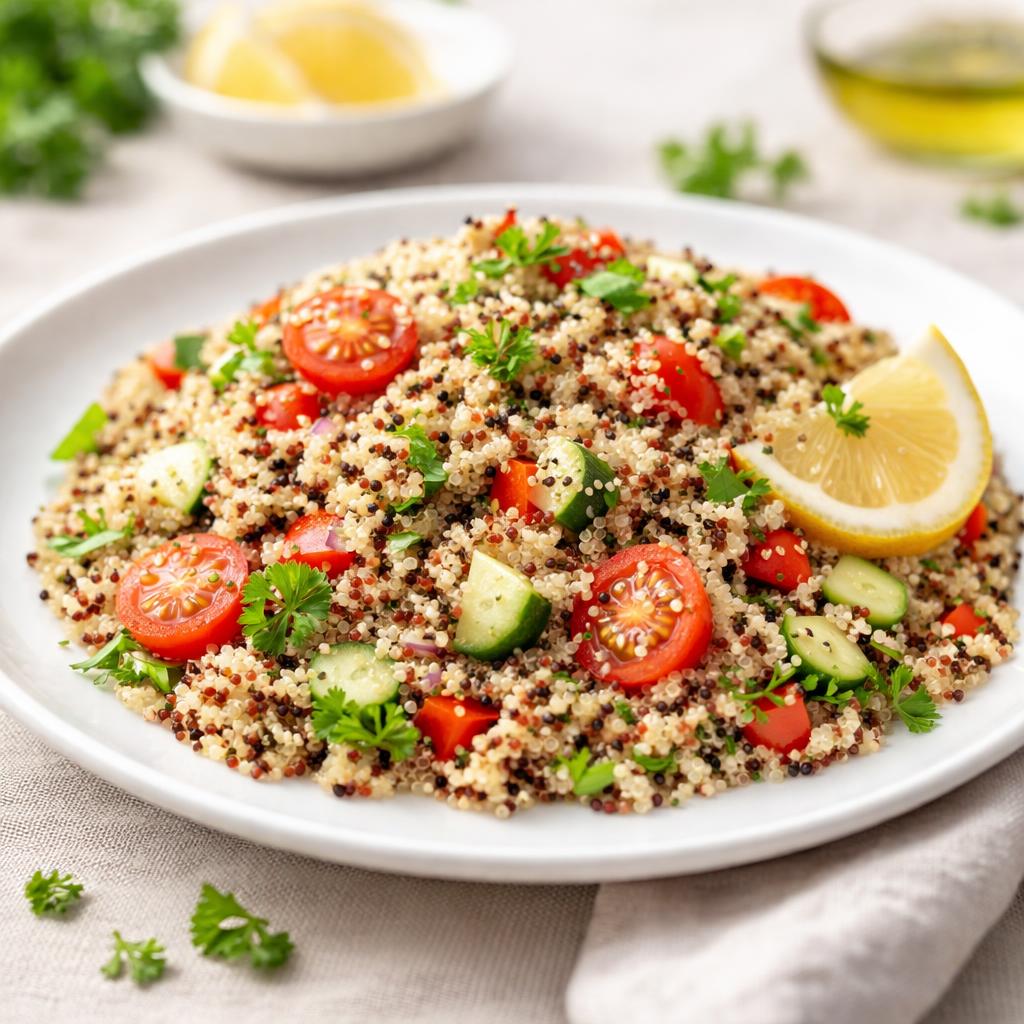
Quinoa
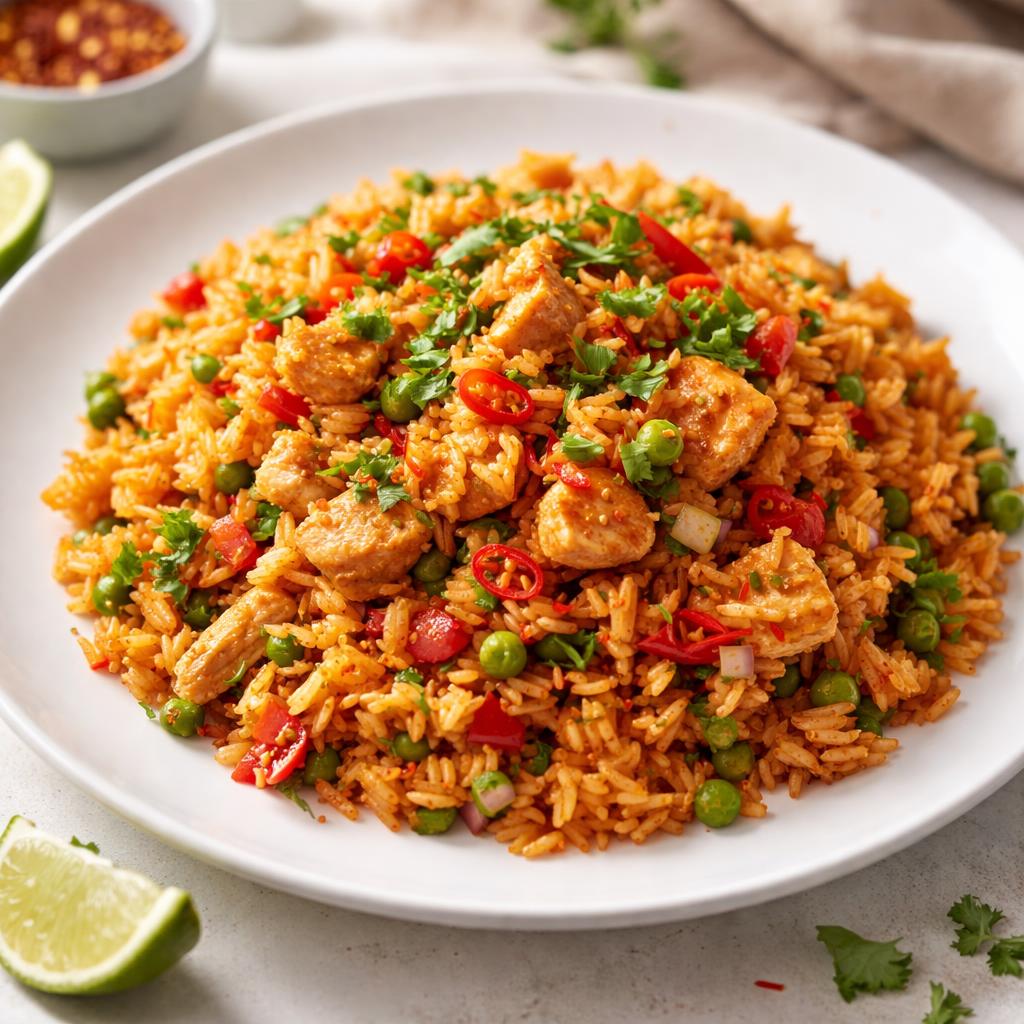
Spicy Rice
🎯 Quick Verdict
Quinoa outshines spicy rice in key nutritional metrics, offering higher protein, more fiber, and fewer calories per serving. While spicy rice adds flavor and is slightly more carbohydrate-dense, quinoa is better suited for nutrient-rich, balanced meals and dietary versatility.

Smart Nutrition Tracking with SnapCalorie

📊 Nutritional Comparison
Macronutrients
| Nutrient | Food 1 | Food 2 | Winner |
|---|---|---|---|
| Calories | 120 per 100g | 200 per 100g | ✓ |
| Protein | 4.1g per 100g | 2.6g per 100g | ✓ |
| Carbs | 21g per 100g | 29g per 100g | ✓ |
| Fat | 1.9g per 100g | 5.0g per 100g | ✓ |
| Fiber | 2.8g per 100g | 1.5g per 100g | ✓ |
Vitamins & Minerals
| Nutrient | Food 1 | Food 2 | Winner |
|---|---|---|---|
| Vitamin C | No notable amount | 2mg per 100g (from spices) | ✓ |
| Iron | 1.5mg per 100g | 0.8mg per 100g | ✓ |
| Magnesium | 64mg per 100g | 25mg per 100g | ✓ |
| Potassium | 172mg per 100g | 105mg per 100g | ✓ |
🏆 Category Winners
Protein
Quinoa has nearly 60% more protein per serving compared to spicy rice.
Fiber
Quinoa has almost double the amount of fiber, aiding digestion better.
Calories
Quinoa is significantly lower in calories, which makes it better for weight management.
Vitamins
Quinoa provides higher levels of iron, magnesium, and potassium, supporting essential body functions.
🥗 Diet Compatibility
Keto
Food 1: Not Compatible
Food 2: Not Compatible
Both foods are too high in carbohydrates to be keto-friendly.
Vegan
Food 1: Compatible
Food 2: Compatible
Both are plant-based options.
Gluten Free
Food 1: Compatible
Food 2: Potentially Compatible
Quinoa is naturally gluten-free, while spicy rice may need verification of ingredient safety.
Paleo
Food 1: Compatible
Food 2: Potentially Compatible
Quinoa fits the paleo framework, while spicy rice may depend on added ingredients.
Low-Carb
Food 1: Not Compatible
Food 2: Not Compatible
Both have moderate-to-high carbohydrate levels unsuitable for low-carb diets.
💪 Health Benefits Comparison
Food 1 Benefits
- Rich source of complete protein for muscle support.
- Provides high fiber content for digestive health.
- Packed with magnesium and potassium for heart health.
Food 2 Benefits
- Includes spices with antioxidants for immune health.
- Provides quick energy from carbohydrates.
- Flavorful option which may improve meal satisfaction and palatability.
✅ The Bottom Line
Quinoa is the nutrient-dense option, offering more protein, fiber, and essential minerals, making it ideal for balanced meals and weight management. Spicy rice, while less nutritious, is a flavorful carbohydrate option for those needing quick energy in meals.
Choose Food 1 for: Weight management, high-protein diets, nutrient-dense meals.
Choose Food 2 for: Flavorful meals, sustained energy boost, meal variety.


