Quinoa VS Rice With Vegetables
A detailed nutritional comparison
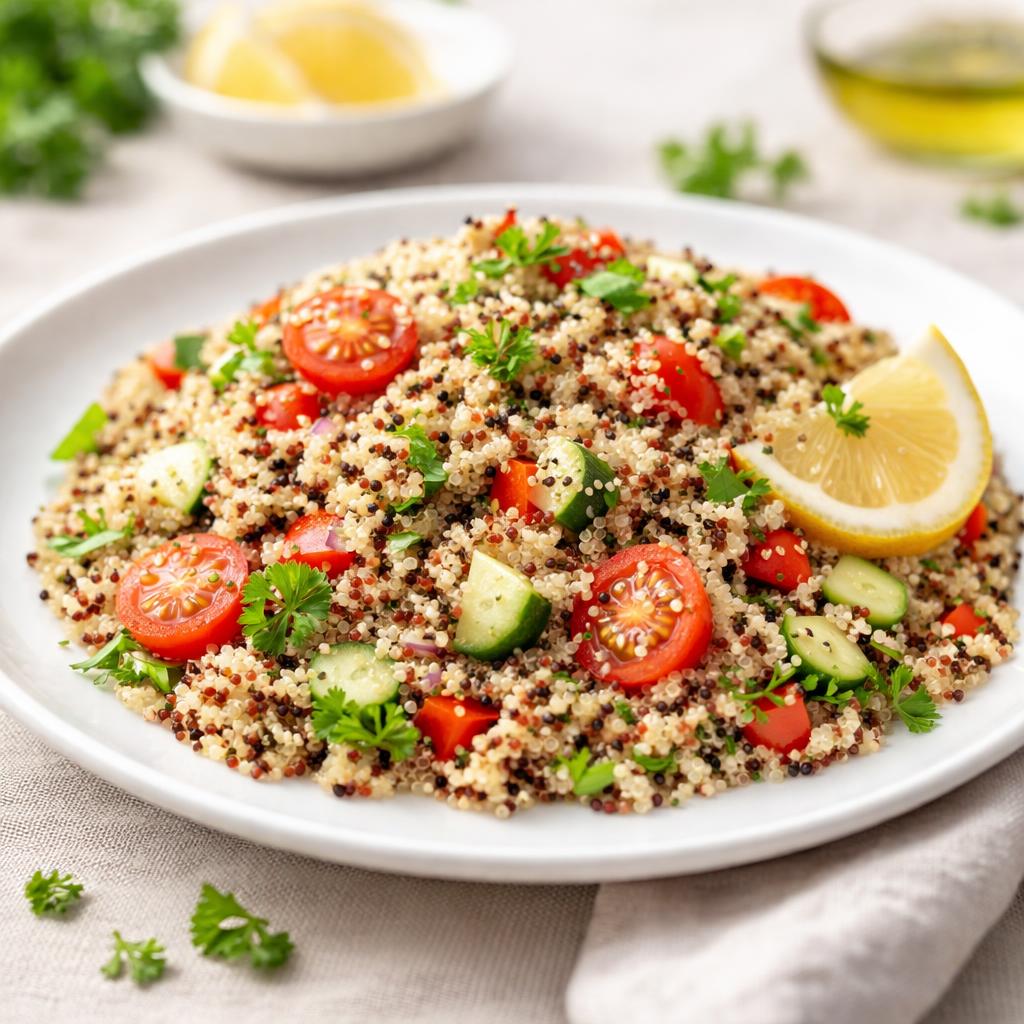
Quinoa
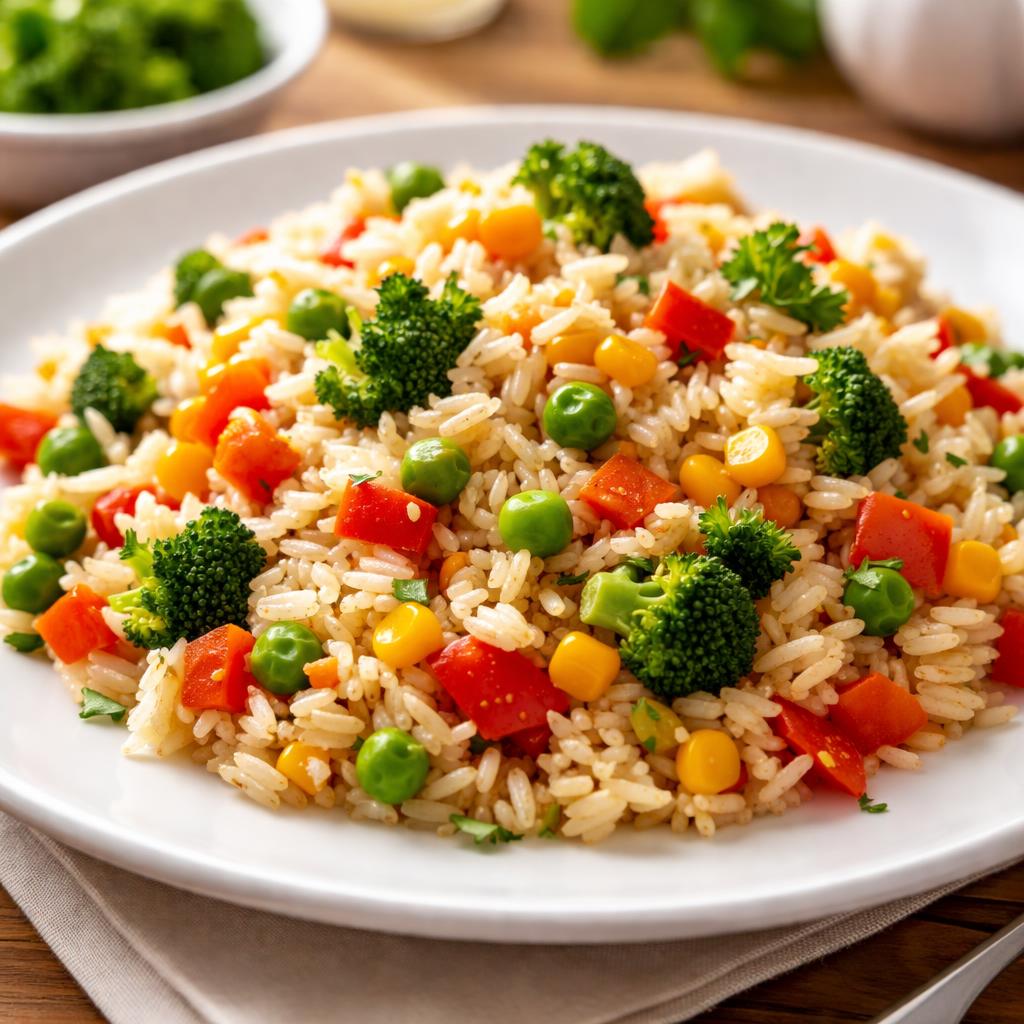
Rice With Vegetables
🎯 Quick Verdict
Quinoa stands out as a complete protein source, providing more protein (8g vs 5g) and fiber (5g vs 2g) per serving compared to rice with vegetables. Both foods have comparable caloric values around 200 per serving, but rice with vegetables provides more variation in micronutrients due to the vegetable content, making it a great option for overall nutrient density. Quinoa is ideal for protein-focused diets, while rice with vegetables suits meal diversity and balance.

Smart Nutrition Tracking with SnapCalorie

📊 Nutritional Comparison
Macronutrients
| Nutrient | Food 1 | Food 2 | Winner |
|---|---|---|---|
| Calories | 200 | 200 | − |
| Protein | 8g | 5g | ✓ |
| Carbs | 39g | 40g | ✓ |
| Fat | 3.5g | 2g | ✓ |
| Fiber | 5g | 2g | ✓ |
Vitamins & Minerals
| Nutrient | Food 1 | Food 2 | Winner |
|---|---|---|---|
| Vitamin A | 0mcg | 120mcg | ✓ |
| Vitamin C | 0mg | 10mg | ✓ |
| Iron | 2.8mg | 1mg | ✓ |
🏆 Category Winners
Protein
Quinoa provides 60% more protein per serving.
Fiber
Quinoa offers 2.5x the fiber compared to rice with vegetables.
Calories
Both foods have similar calorie counts per serving (200 kcal).
Vitamins
Rice with vegetables provides more Vitamin A and Vitamin C due to vegetable content.
🥗 Diet Compatibility
Keto
Food 1: Not Compatible
Food 2: Not Compatible
Both foods are high in carbohydrates.
Vegan
Food 1: Compatible
Food 2: Compatible
Both are plant-based and free of animal products.
Gluten Free
Food 1: Compatible
Food 2: Compatible
Neither contains gluten.
Paleo
Food 1: Not Compatible
Food 2: Not Compatible
Quinoa is technically a pseudo-grain, and rice is a grain, both are avoided in strict paleo diets.
Low Carb
Food 1: Not Compatible
Food 2: Not Compatible
Both have high carbohydrate content (39g and 40g per serving).
💪 Health Benefits Comparison
Food 1 Benefits
- Provides complete protein for muscle repair and growth.
- High in fiber for supporting digestion and satiety.
- Rich in iron to support oxygen transportation in the body.
Food 2 Benefits
- Contains Vitamin A and C from vegetables to support immunity and eye health.
- Low in fat, making it a heart-healthy carbohydrate option.
- Offers a balanced mix of macronutrients and micronutrients from rice and veggies.
✅ The Bottom Line
Quinoa is the clear choice for those seeking higher protein and fiber content, especially for vegetarian or vegan individuals seeking complete protein. Rice with vegetables is the better option for nutrient diversity, including vitamins A and C, and is a great side dish for balanced meals.
Choose Food 1 for: High-protein diets, vegetarian/vegan complete protein source, weight maintenance.
Choose Food 2 for: Meal balance, vitamin-rich side dish, general nutrient variety.


