Quinoa VS Rice Flour
A detailed nutritional comparison
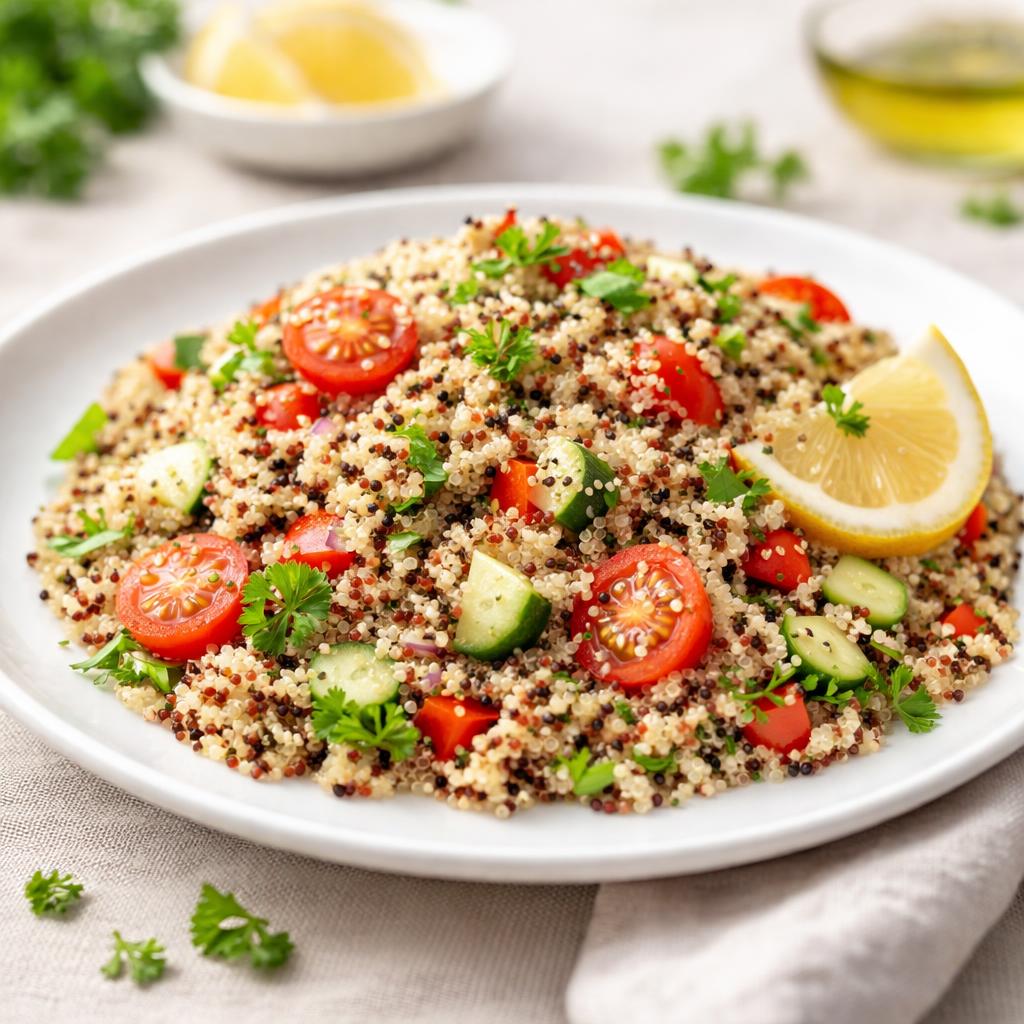
Quinoa
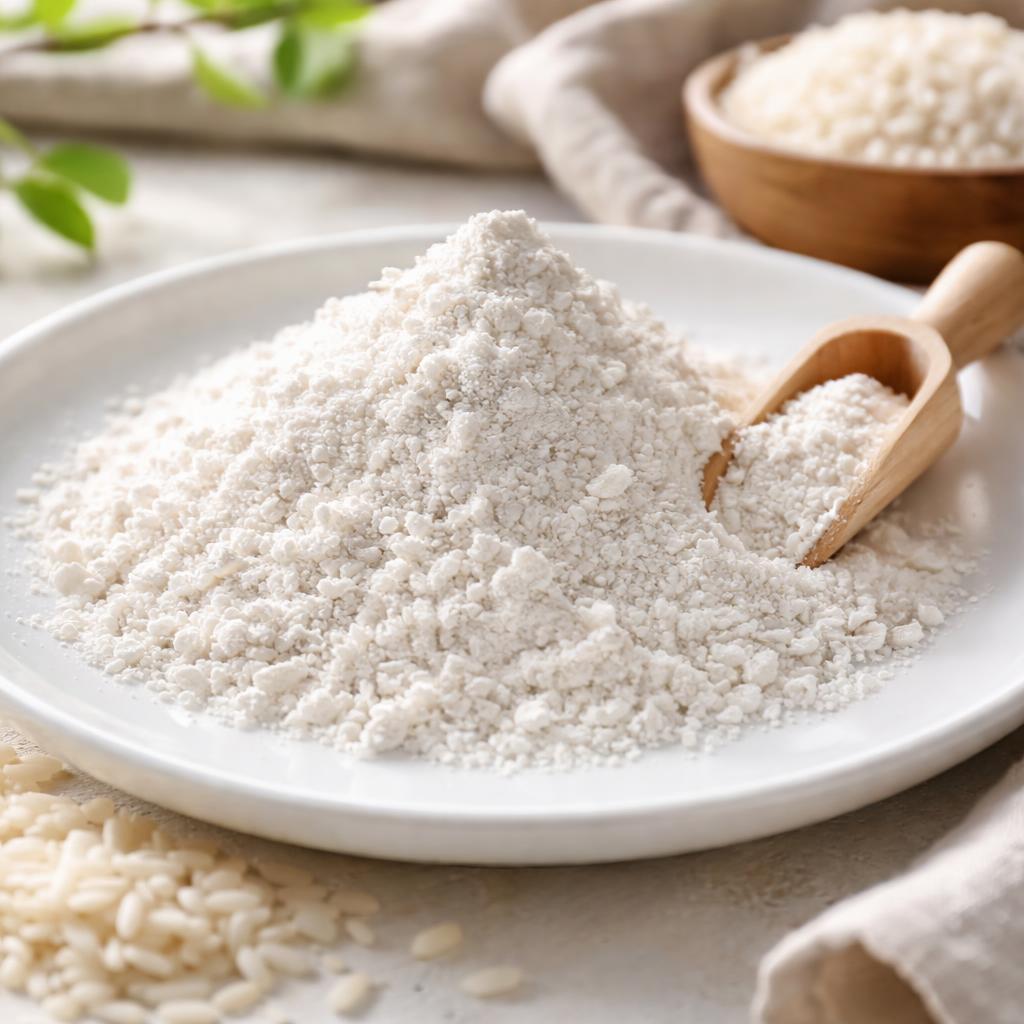
Rice Flour
🎯 Quick Verdict
Quinoa and rice flour differ significantly in their nutritional profiles. Quinoa is higher in protein, fiber, and provides fewer calories, making it more nutrient-dense and versatile for balanced diets. Rice flour is calorie-dense and less nutrient-rich but useful for gluten-free baking and quick energy needs.

Smart Nutrition Tracking with SnapCalorie

📊 Nutritional Comparison
Macronutrients
| Nutrient | Food 1 | Food 2 | Winner |
|---|---|---|---|
| Calories | 120 | 366 | ✓ |
| Protein | 4g | 5g | ✓ |
| Carbs | 21.3g | 80g | ✓ |
| Fat | 1.92g | 1.1g | ✓ |
| Fiber | 2.8g | 1g | ✓ |
Vitamins & Minerals
| Nutrient | Food 1 | Food 2 | Winner |
|---|---|---|---|
| Vitamin B6 | 0.1mg | 0mg | ✓ |
| Magnesium | 64mg | 6mg | ✓ |
| Zinc | 1.1mg | 0mg | ✓ |
🏆 Category Winners
Protein
Rice flour has slightly higher protein content per serving.
Fiber
Quinoa has nearly three times more fiber per serving.
Calories
Quinoa contains significantly fewer calories than rice flour.
Vitamins
Quinoa provides more nutrients like magnesium, zinc, and vitamin B6.
🥗 Diet Compatibility
Keto
Food 1: Not Compatible
Food 2: Not Compatible
Both are high-carb foods.
Vegan
Food 1: Compatible
Food 2: Compatible
Both are plant-based and vegan-friendly.
Gluten Free
Food 1: Compatible
Food 2: Compatible
Neither contains gluten.
Paleo
Food 1: Compatible
Food 2: Not Compatible
Quinoa is considered paleo-friendly; rice flour is not.
Low-Carb
Food 1: Not Compatible
Food 2: Not Compatible
Both are high in carbohydrates.
💪 Health Benefits Comparison
Food 1 Benefits
- Rich in essential amino acids, making it a complete protein
- High in magnesium, which supports bone health and muscle function
- Contains antioxidants for cellular protection
- Low glycemic index for stable blood sugar levels
Food 2 Benefits
- Good source of quick energy due to high carbohydrate content
- Gluten-free alternative for baking and cooking
- Provides some iron for red blood cell production
- Low fat content, suitable for low-fat diets
✅ The Bottom Line
Quinoa is a nutrient-dense, versatile food ideal for balanced diets, muscle maintenance, or weight loss. Rice flour, while less nutrient-packed, is a practical choice for gluten-free baking or quick energy needs.
Choose Food 1 for: Balanced meals, muscle maintenance, weight loss, high-fiber diets
Choose Food 2 for: Gluten-free recipes, calorie-dense energy needs, baking


