Quinoa VS Red Rice
A detailed nutritional comparison
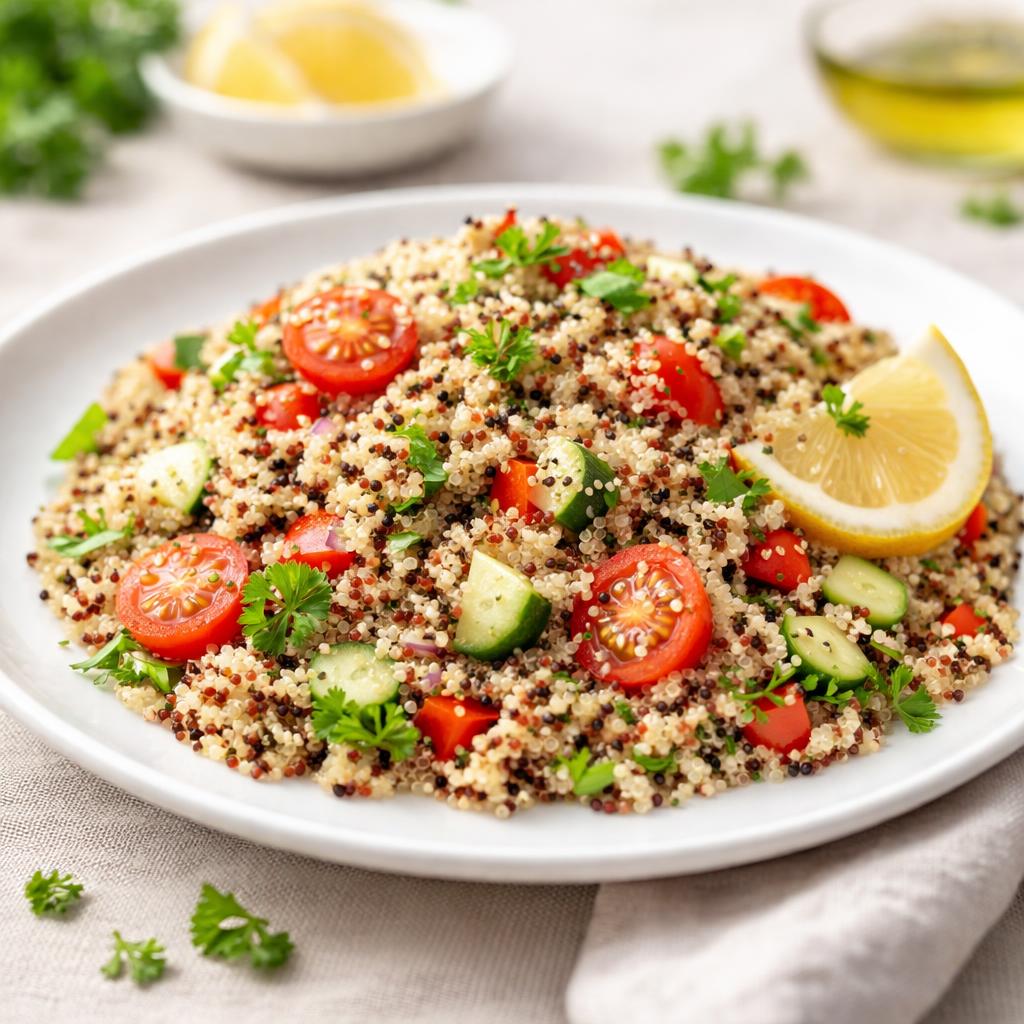
Quinoa
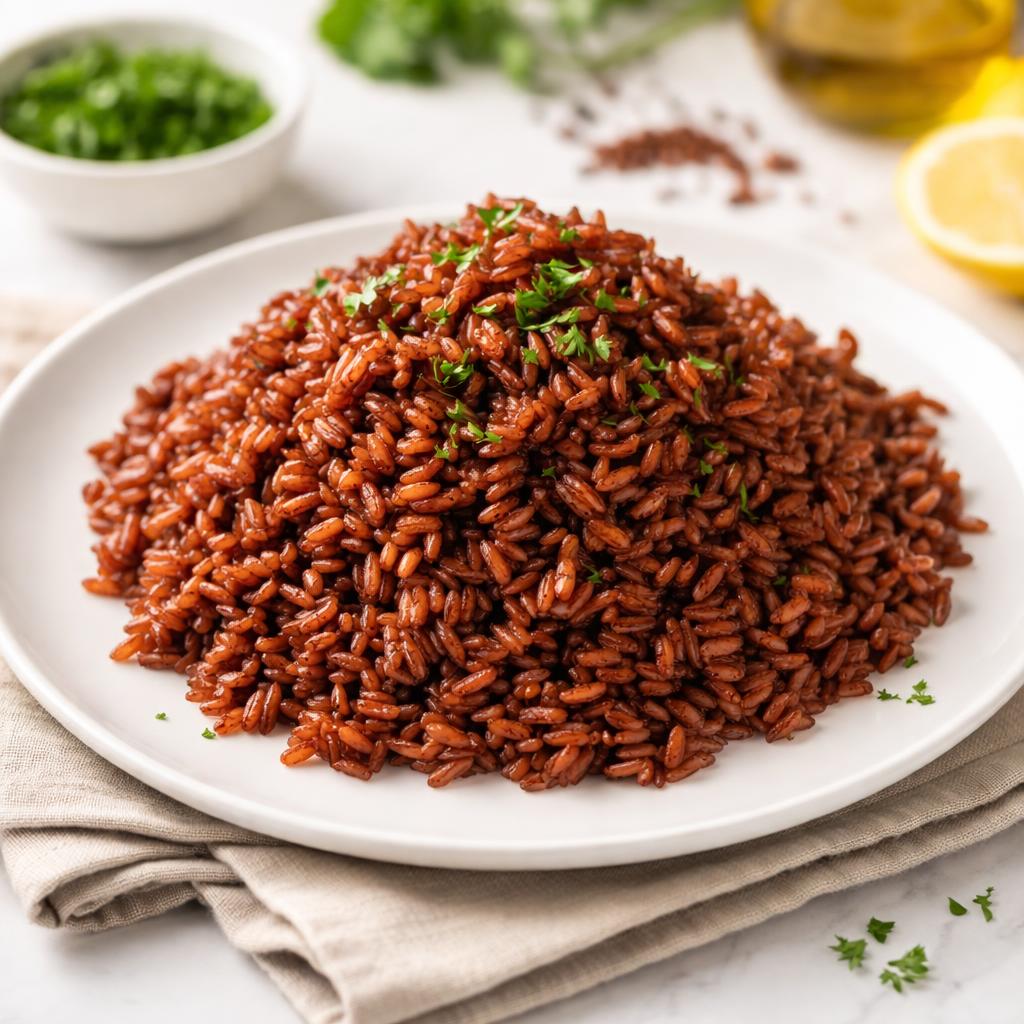
Red Rice
🎯 Quick Verdict
Quinoa contains more protein and fewer calories per serving, making it ideal for those focused on weight management or muscle-building goals. Red rice has slightly higher fiber content and offers more sustained energy, which can be beneficial for overall digestion and endurance activities. Both foods are nutrient-dense and versatile for balanced meals.

Smart Nutrition Tracking with SnapCalorie

📊 Nutritional Comparison
Macronutrients
| Nutrient | Food 1 | Food 2 | Winner |
|---|---|---|---|
| Calories | 120 | 140 | ✓ |
| Protein | 4g | 2.5g | ✓ |
| Carbs | 21g | 30g | ✓ |
| Fat | 2g | 0.5g | ✓ |
| Fiber | 2.5g | 3.2g | ✓ |
Vitamins & Minerals
| Nutrient | Food 1 | Food 2 | Winner |
|---|---|---|---|
| Vitamin D | 0mcg | 0mcg | − |
| Calcium | 17mg | 3mg | ✓ |
| Iron | 1.5mg | 0.6mg | ✓ |
🏆 Category Winners
Protein
Quinoa contains nearly double the protein of red rice, making it better for muscle support.
Fiber
Red rice has slightly higher fiber content, supporting digestive health.
Calories
Quinoa has 14% fewer calories per serving compared to red rice.
🥗 Diet Compatibility
Keto
Food 1: Not Compatible
Food 2: Not Compatible
Both foods are high-carb and not suitable for ketogenic diets.
Vegan
Food 1: Compatible
Food 2: Compatible
Both are plant-based and suitable for vegan diets.
Gluten Free
Food 1: Compatible
Food 2: Compatible
Neither quinoa nor red rice contain gluten.
Paleo
Food 1: Compatible
Food 2: Compatible
Both foods align with paleo principles as unprocessed grains.
Low Carb
Food 1: Not Compatible
Food 2: Not Compatible
Both quinoa and red rice are relatively high in carbs.
💪 Health Benefits Comparison
Food 1 Benefits
- High protein content supports muscle maintenance and repair.
- Good source of iron boosts red blood cell production.
- Contains magnesium and antioxidants for overall health.
Food 2 Benefits
- Rich in fiber for improved digestion and gut health.
- Contains essential minerals like manganese for metabolism.
- Provides slow-digesting carbs for sustained energy and endurance.
✅ The Bottom Line
Quinoa is the better choice for weight management, higher protein needs, and nutrient balance. Red rice excels as a fiber-rich option for digestion and sustained energy. Quinoa is ideal for post-workout meals or high-protein diets, while red rice serves well in slower-digesting, nutrient-dense meals that suit endurance activities.
Choose Food 1 for: Weight management, high-protein diets, muscle repair, post-workout meals
Choose Food 2 for: Digestive health, energy during endurance activities, nutrient-rich side dishes


