Quinoa VS Crispbread
A detailed nutritional comparison
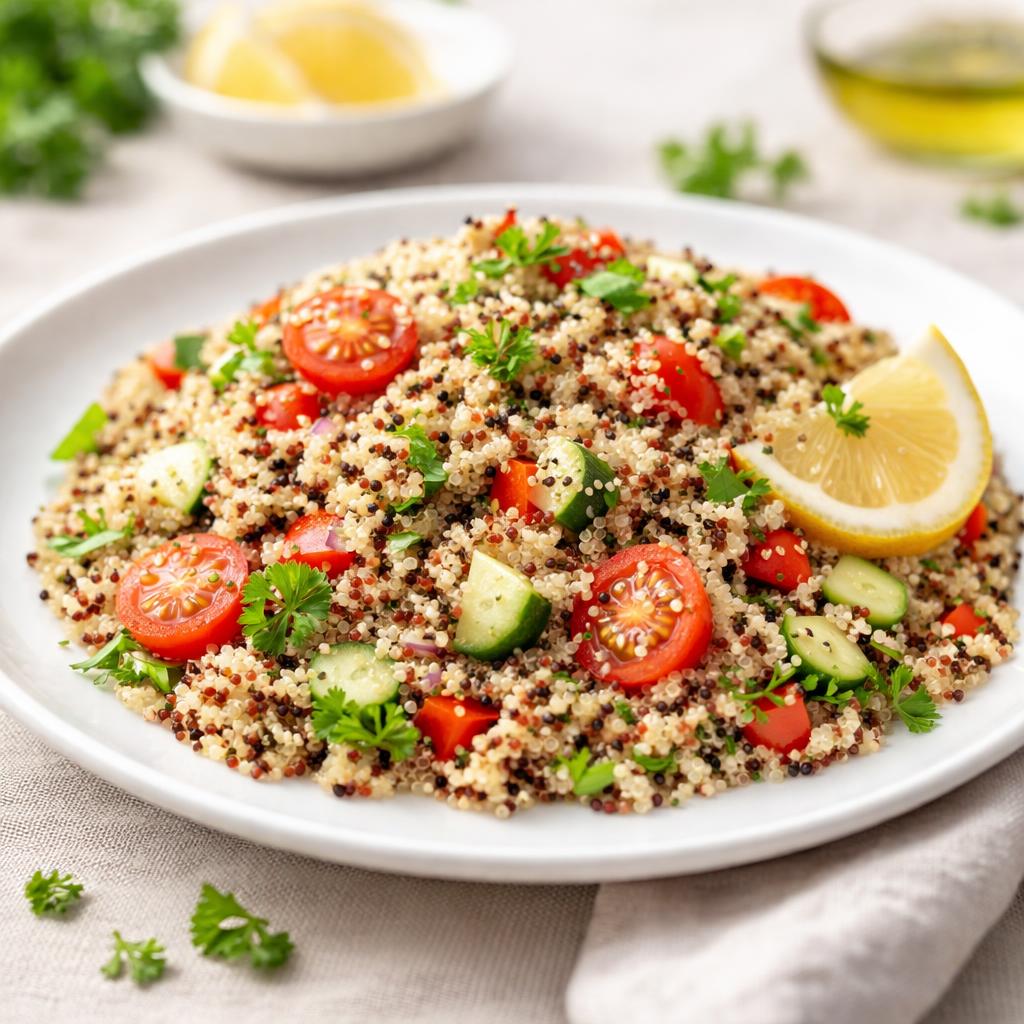
Quinoa
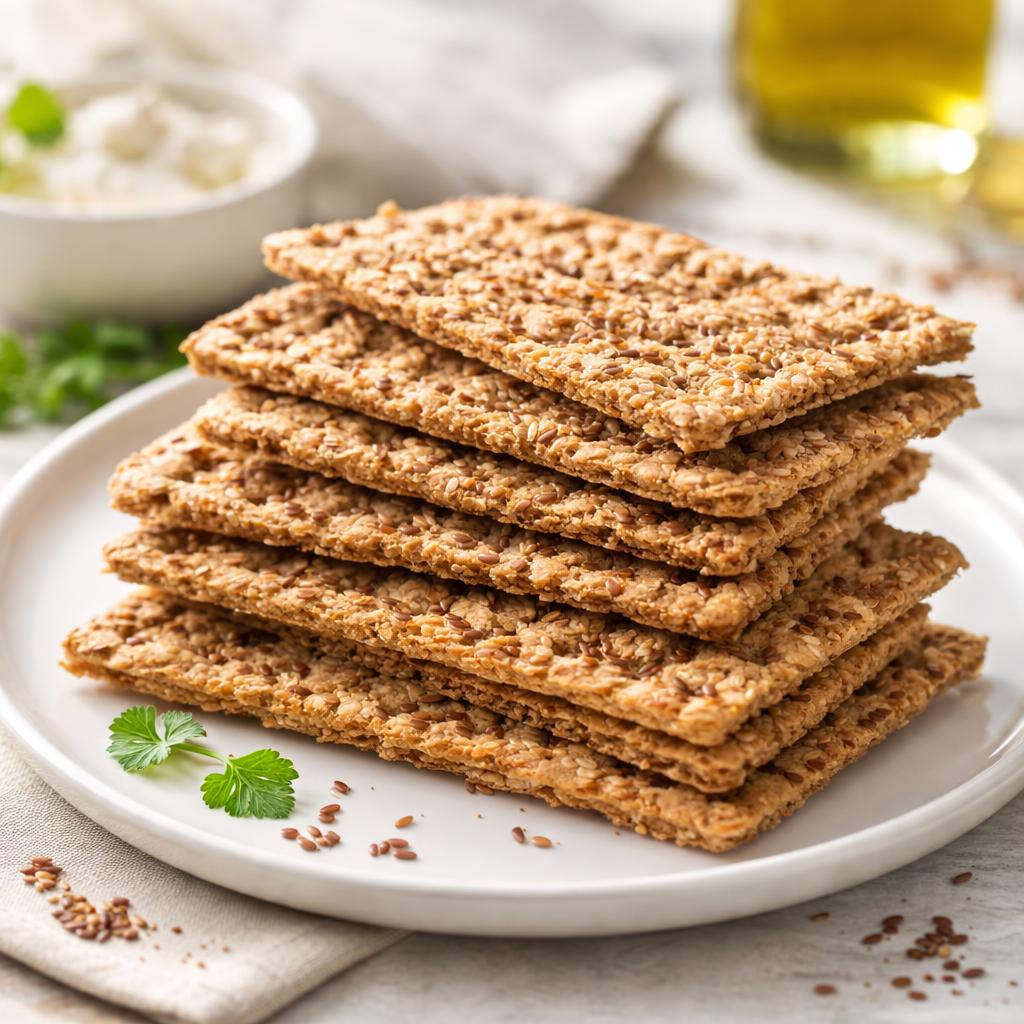
Crispbread
🎯 Quick Verdict
Quinoa and crispbread serve different nutritional purposes. Quinoa is higher in protein and contains more essential vitamins like iron and magnesium, making it suitable for muscle growth and energy boosting. Crispbread, on the other hand, is lower in calories and richer in fiber, ideal for digestion and weight management. Choose quinoa for nutrient density and crispbread for a low-calorie snack option.

Smart Nutrition Tracking with SnapCalorie

📊 Nutritional Comparison
Macronutrients
| Nutrient | Food 1 | Food 2 | Winner |
|---|---|---|---|
| Calories | 120 per 1/2 cup cooked | 35 per one slice | ✓ |
| Protein | 4g | 1g | ✓ |
| Carbs | 21g | 7g | ✓ |
| Fat | 2g | 0.3g | ✓ |
| Fiber | 2.5g | 3g | ✓ |
Vitamins & Minerals
| Nutrient | Food 1 | Food 2 | Winner |
|---|---|---|---|
| Iron | 1.5mg | 0.3mg | ✓ |
| Magnesium | 64mg | 10mg | ✓ |
| Vitamin E | 0.6mg | 0.1mg | ✓ |
🏆 Category Winners
Protein
Quinoa provides 300% more protein per serving.
Fiber
Crispbread offers 20% more fiber.
Calories
Crispbread is lower in calories, ideal for weight-conscious diets.
Vitamins
Quinoa is richer in iron and magnesium, essential for energy and muscle health.
🥗 Diet Compatibility
Keto
Food 1: Not Compatible
Food 2: Not Compatible
Both are relatively high in carbohydrates.
Vegan
Food 1: Compatible
Food 2: Compatible
Both are plant-based.
Gluten Free
Food 1: Compatible
Food 2: Not Compatible
Quinoa is naturally gluten-free, while crispbread often contains gluten.
Paleo
Food 1: Compatible
Food 2: Not Compatible
Quinoa is considered paleo-friendly, but crispbread is processed.
Low Carb
Food 1: Not Compatible
Food 2: Somewhat Compatible
Crispbread is lower in carbs than quinoa but still moderate.
💪 Health Benefits Comparison
Food 1 Benefits
- Complete protein source with all essential amino acids
- Good source of iron for energy levels
- Contains magnesium to support muscle and nerve health
- Rich in antioxidants, supporting overall health
Food 2 Benefits
- Low in calories for weight management
- High in fiber for improved digestion
- Supports gut health with whole grains (if whole grain-based crispbread)
- Provides some sustained energy with moderate carbs
✅ The Bottom Line
Choose quinoa for a protein-rich, nutrient-dense meal that supports muscle development, energy, and overall health. Opt for crispbread when you need a low-calorie, high-fiber option for snacks or light meals. Both are excellent choices depending on your dietary goals.
Choose Food 1 for: Muscle building, balanced meals, post-workout recovery
Choose Food 2 for: Weight management, digestive support, portable snack


