Quinoa VS Cooked Rice
A detailed nutritional comparison
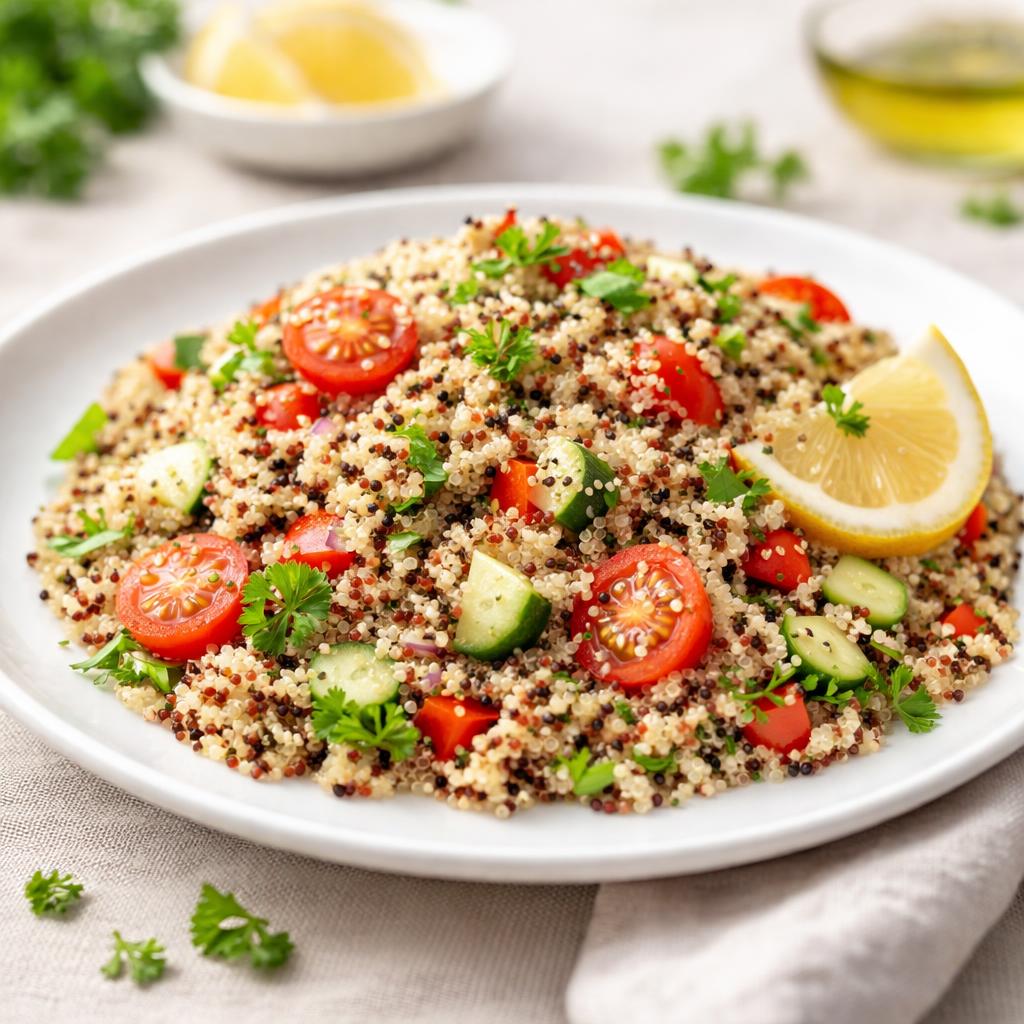
Quinoa
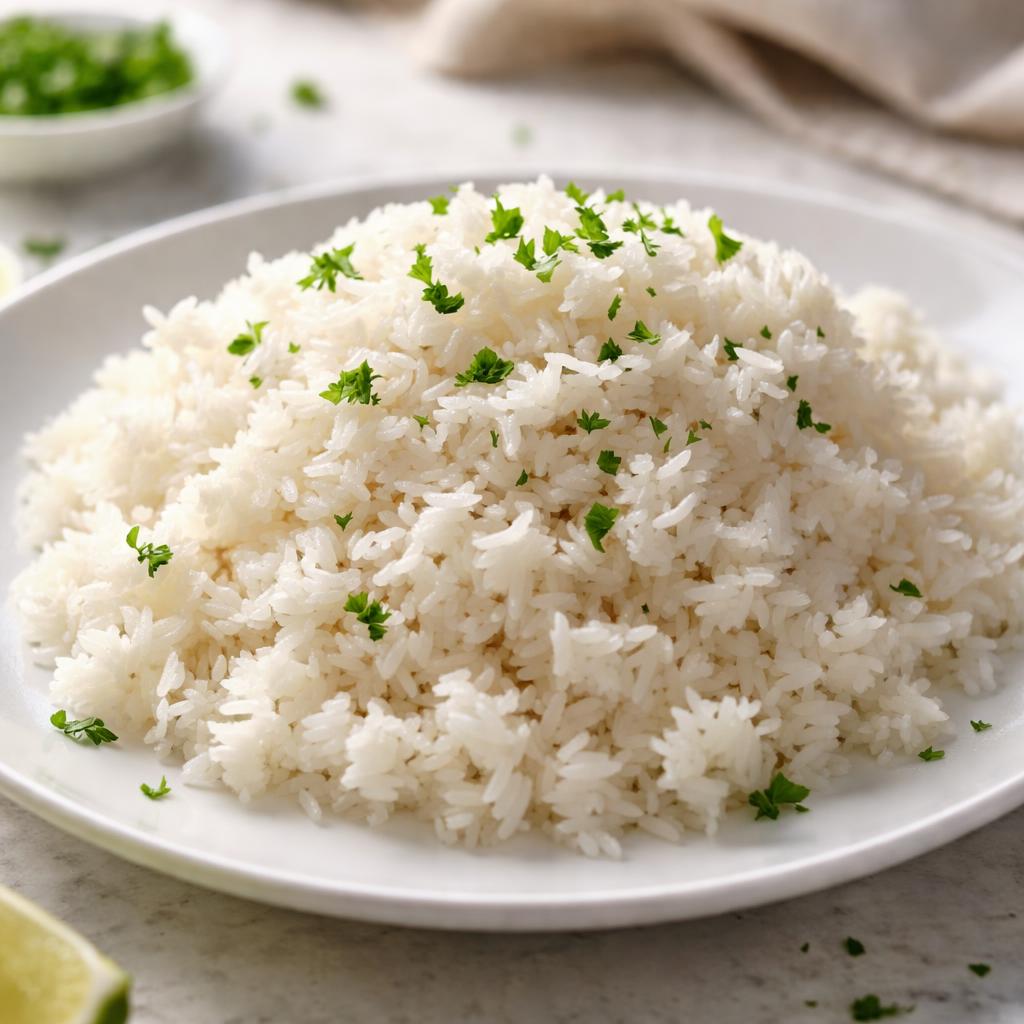
Cooked Rice
🎯 Quick Verdict
Quinoa and cooked rice are both staple grains, but quinoa significantly exceeds rice in protein and fiber content, making it a nutrient-dense choice overall. Rice, however, is lower in calories and carbs, which may benefit those monitoring energy intake or on lower-carb diets. Quinoa is best suited for high-protein diets, while rice offers a lighter, quicker energy source.

Smart Nutrition Tracking with SnapCalorie

📊 Nutritional Comparison
Macronutrients
| Nutrient | Food 1 | Food 2 | Winner |
|---|---|---|---|
| Calories | 120 | 130 | ✓ |
| Protein | 4g | 2.5g | ✓ |
| Carbs | 21g | 28g | ✓ |
| Fat | 2g | 0.2g | ✓ |
| Fiber | 2.6g | 0.3g | ✓ |
Vitamins & Minerals
| Nutrient | Food 1 | Food 2 | Winner |
|---|---|---|---|
| Vitamin B6 | 0.1mg | 0.09mg | ✓ |
| Magnesium | 64mg | 8mg | ✓ |
| Iron | 1.4mg | 0.2mg | ✓ |
🏆 Category Winners
Protein
Quinoa has 60% more protein per serving, ideal for muscle maintenance or plant-based diets.
Fiber
Quinoa contains 2.6g of fiber, significantly higher than rice's 0.3g, aiding digestion.
Calories
Rice is lower in calories, suitable for lighter meals.
Vitamins
Quinoa provides more magnesium, iron, and B vitamins, making it more nutrient-dense overall.
🥗 Diet Compatibility
Keto
Food 1: Not Compatible
Food 2: Not Compatible
Both foods are too high in carbs for keto diets.
Vegan
Food 1: Compatible
Food 2: Compatible
Both are plant-based and suitable for vegan diets.
Gluten Free
Food 1: Compatible
Food 2: Compatible
Neither contains gluten naturally.
Paleo
Food 1: Compatible
Food 2: Partially Compatible
Quinoa is often considered compatible in paleo diets as a pseudo-grain, while rice typically isn’t allowed.
Low Carb
Food 1: Not Ideal
Food 2: Not Ideal
Both foods contain moderate levels of carbohydrates and are better suited for balanced or high-carb diets.
💪 Health Benefits Comparison
Food 1 Benefits
- Contains complete protein with all essential amino acids
- High in fiber, promoting better digestion and gut health
- Rich in magnesium, supporting bone health and muscle function
- Good source of iron for energy levels and immune function
Food 2 Benefits
- Lower in calories, good for weight management
- Quick energy source from easy-to-digest carbs
- Gentle on the stomach, often used in bland diets
- Naturally gluten-free, suitable for sensitive dietary needs
✅ The Bottom Line
Quinoa is a clear winner in terms of nutrient density, offering higher levels of protein, fiber, and essential vitamins and minerals, making it the better choice for active individuals or those wanting a more balanced diet. Rice, by contrast, is lower in calories and fat, making it ideal for a quick energy source or lighter meals. Choose quinoa for nutrient-packed meals, and rice for energy-focused, simpler dishes.
Choose Food 1 for: High-protein diets, post-workout recovery, nutrient-dense meals
Choose Food 2 for: Light meals, energy focus, sensitive stomachs


