Quinoa Salad VS Shirataki Rice
A detailed nutritional comparison
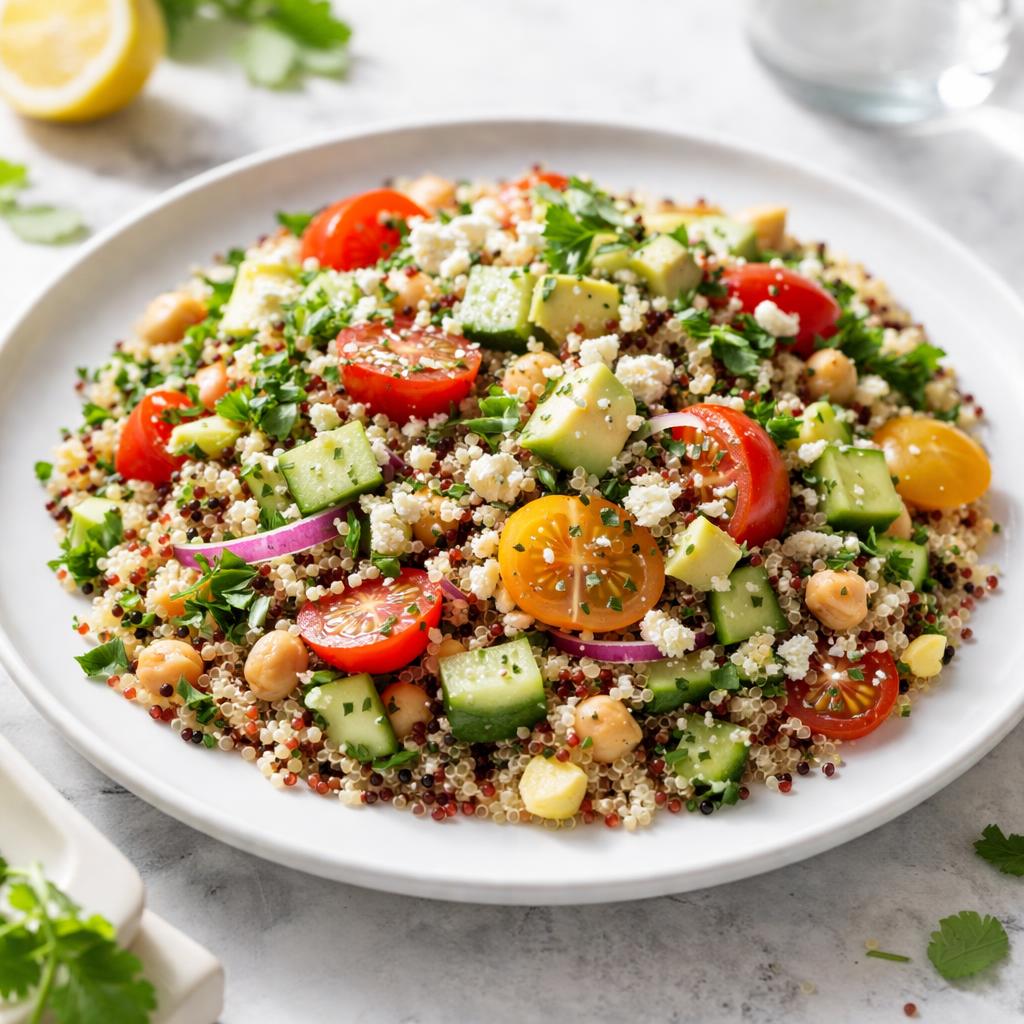
Quinoa Salad
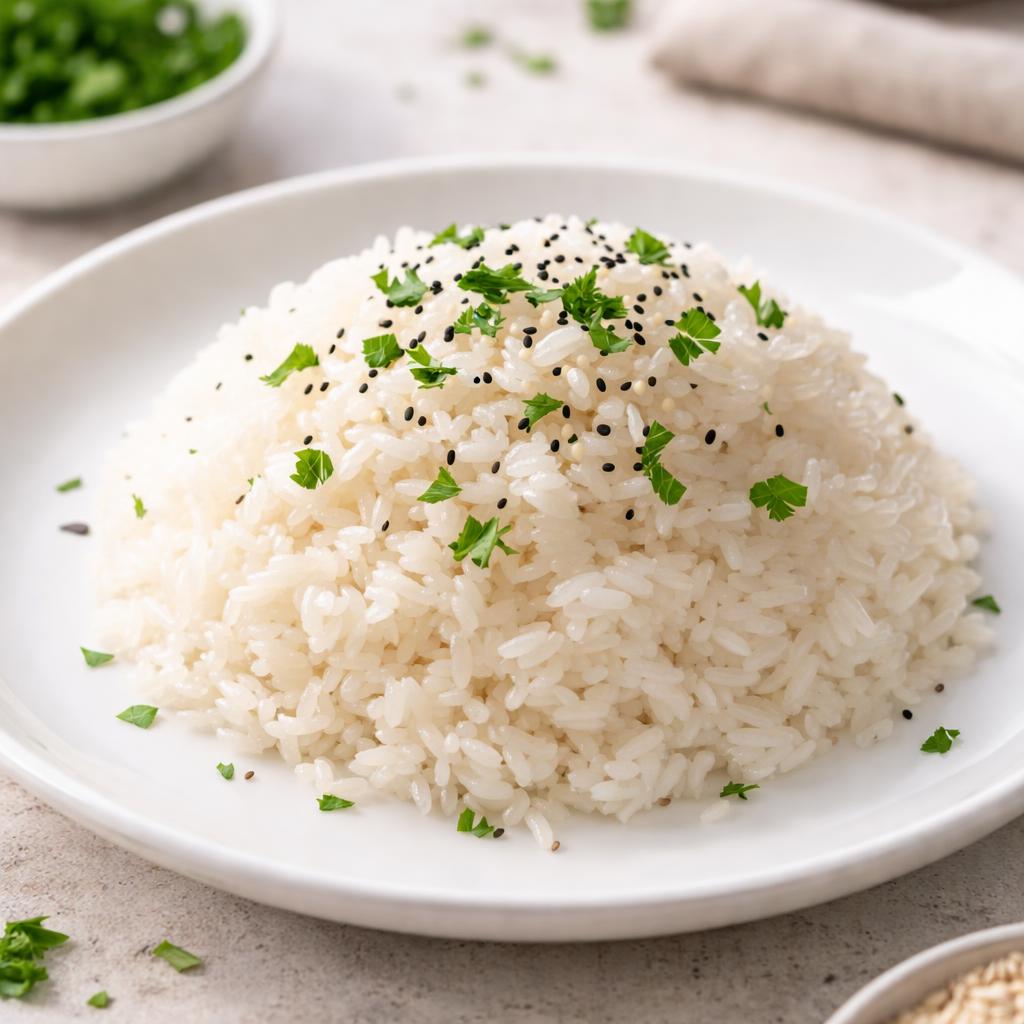
Shirataki Rice
🎯 Quick Verdict
Quinoa salad offers higher protein and fiber levels, making it a more nutrient-dense choice, suitable for post-workout meals or a filling lunch. Shirataki rice is much lower in calories and carbs, ideal for weight management or low-carb diets, though it falls short in micronutrients and protein content.

Smart Nutrition Tracking with SnapCalorie

📊 Nutritional Comparison
Macronutrients
| Nutrient | Food 1 | Food 2 | Winner |
|---|---|---|---|
| Calories | 250 | 20 | ✓ |
| Protein | 8g | 0g | ✓ |
| Carbs | 42g | 4g | ✓ |
| Fat | 10g | 0g | ✓ |
| Fiber | 5g | 3g | ✓ |
Vitamins & Minerals
| Nutrient | Food 1 | Food 2 | Winner |
|---|---|---|---|
| Vitamin D | 0mcg | 0mcg | − |
| Calcium | 20mg | 10mg | ✓ |
| Iron | 4mg | 0.5mg | ✓ |
🏆 Category Winners
Protein
Quinoa salad contains 8g of protein while shirataki rice has none.
Fiber
Quinoa salad provides 5g of fiber compared to 3g in shirataki rice.
Calories
Shirataki rice delivers only 20 calories per serving while quinoa salad has 250.
Vitamins
Quinoa salad is richer in calcium and iron, important for bone health and energy production.
🥗 Diet Compatibility
Keto
Food 1: Not Compatible
Food 2: Compatible
Shirataki rice is extremely low-carb (4g per serving), while quinoa salad is higher in carbs.
Vegan
Food 1: Compatible
Food 2: Compatible
Both foods are plant-based and suitable for a vegan lifestyle.
Gluten Free
Food 1: Compatible
Food 2: Compatible
Neither food contains gluten.
Paleo
Food 1: Compatible
Food 2: Compatible
Both foods align with paleo principles.
Low Carb
Food 1: Not Compatible
Food 2: Compatible
Shirataki rice is highly suited for low-carb diets, while quinoa salad is too high in carbohydrates.
💪 Health Benefits Comparison
Food 1 Benefits
- High in protein for muscle repair and satiety
- Rich in essential minerals like iron for energy and oxygen transport
- Contains fiber for gut health and digestion
- Provides complex carbohydrates for sustained energy
Food 2 Benefits
- Extremely low-calorie, excellent for weight management
- Low in carbs, making it ideal for keto and diabetic diets
- Contains small amounts of fiber for digestion
- Promotes a feeling of fullness without significant calorie intake
✅ The Bottom Line
Quinoa salad is best for those seeking a balanced meal packed with protein and fiber, ideal for active individuals or as part of a nutrient-dense diet. Shirataki rice is the superior choice for low-calorie and low-carb goals, making it suitable for keto or weight loss programs.
Choose Food 1 for: Muscle building, balanced meals, nutrient density
Choose Food 2 for: Low-carb diets, weight loss, calorie control


