Quinoa Salad VS Chicken Curry With Rice
A detailed nutritional comparison
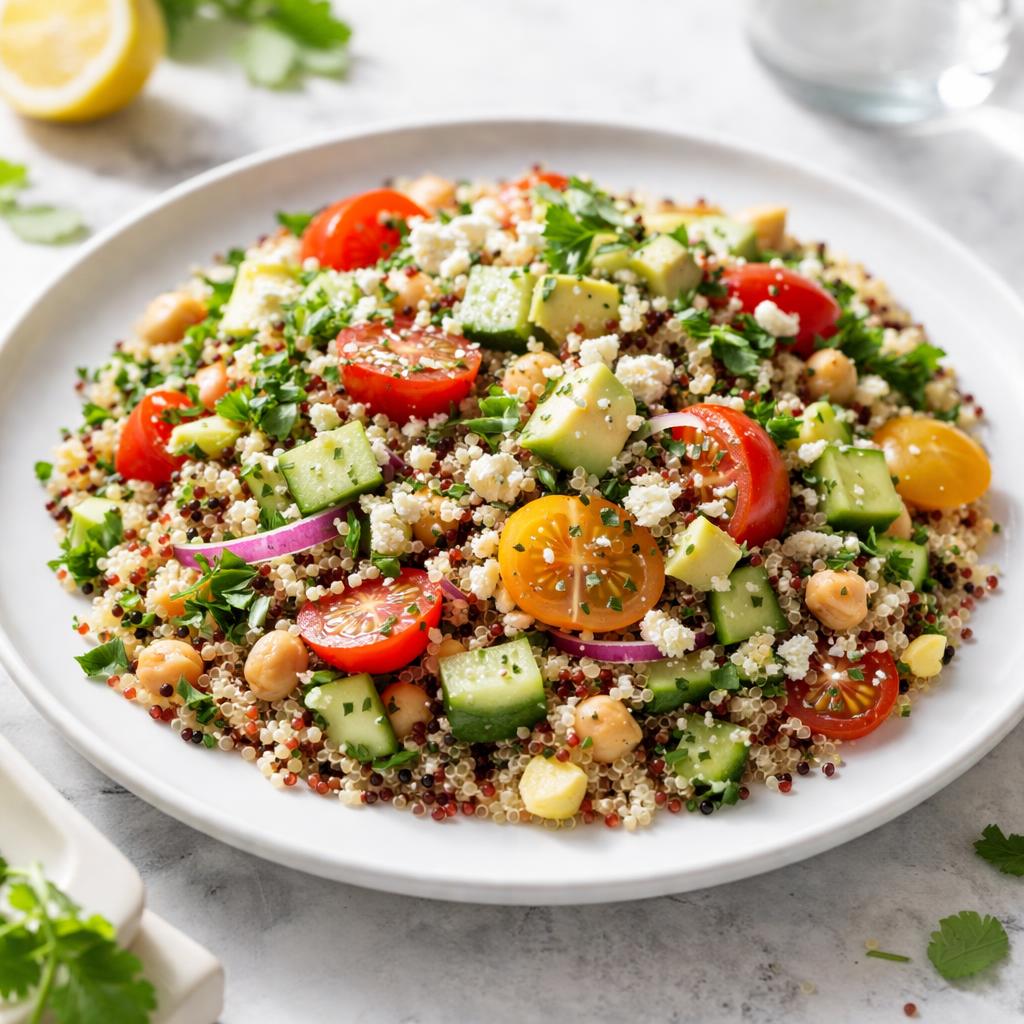
Quinoa Salad
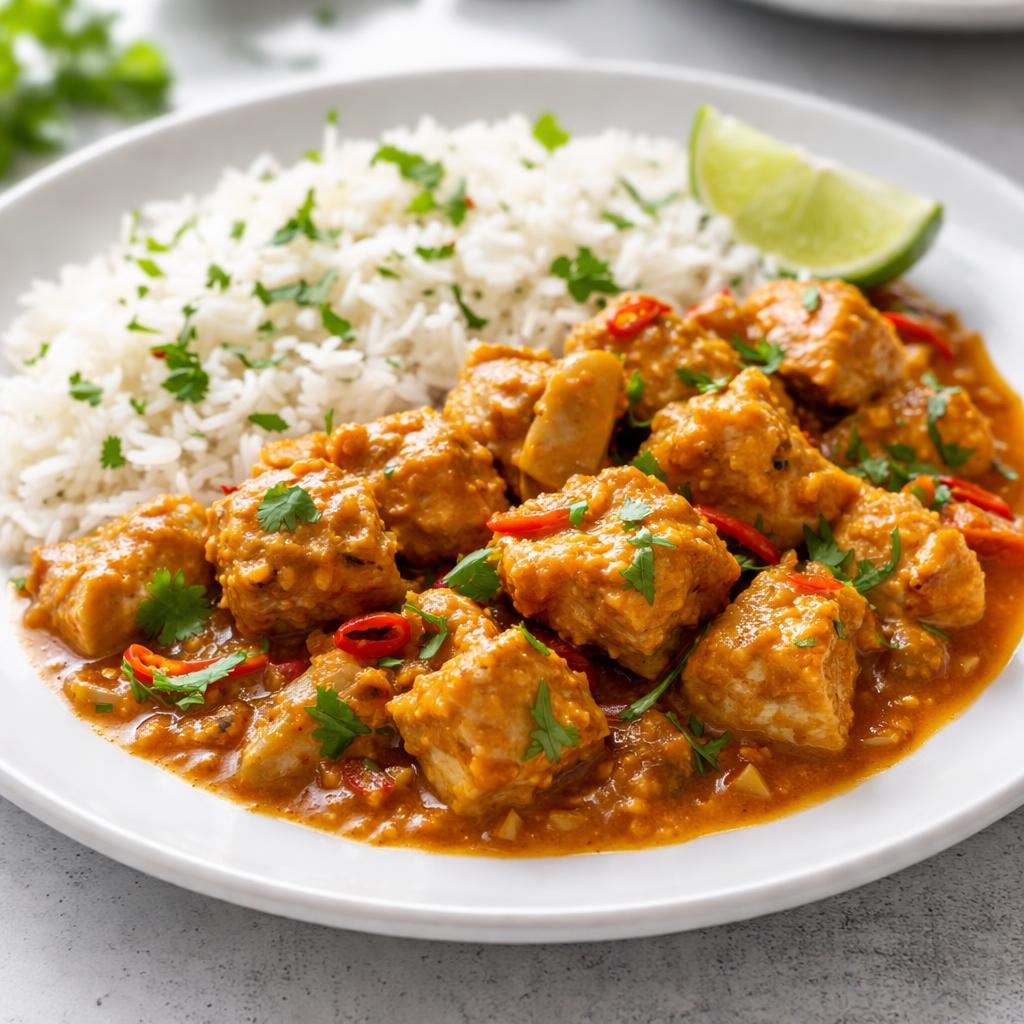
Chicken Curry With Rice
🎯 Quick Verdict
Quinoa salad is lower in calories, higher in fiber, and suited for plant-based and vegan diets, while chicken curry with rice offers more protein and healthy fats, making it great for active lifestyles or muscle recovery. Each has distinct benefits depending on nutritional goals and dietary preferences.

Smart Nutrition Tracking with SnapCalorie

📊 Nutritional Comparison
Macronutrients
| Nutrient | Food 1 | Food 2 | Winner |
|---|---|---|---|
| Calories | 320 | 450 | ✓ |
| Protein | 8g | 25g | ✓ |
| Carbs | 40g | 50g | ✓ |
| Fat | 10g | 15g | ✓ |
| Fiber | 6g | 2g | ✓ |
Vitamins & Minerals
| Nutrient | Food 1 | Food 2 | Winner |
|---|---|---|---|
| Vitamin C | 15mg | 5mg | ✓ |
| Iron | 2.8mg | 1.5mg | ✓ |
| Calcium | 40mg | 20mg | ✓ |
| Vitamin A | 2mcg | 15mcg | ✓ |
🏆 Category Winners
Protein
Chicken curry provides over 3 times more protein than quinoa salad.
Fiber
Quinoa salad is a significantly better source of dietary fiber.
Calories
Quinoa salad contains approximately 29% fewer calories than chicken curry with rice.
Vitamins
Quinoa salad offers higher levels of vitamin C, iron, and calcium while chicken curry is richer in vitamin A.
🥗 Diet Compatibility
Keto
Food 1: Not Compatible
Food 2: Not Compatible
Both foods are too high in carbohydrates for a keto diet.
Vegan
Food 1: Compatible
Food 2: Not Compatible
Quinoa salad is plant-based, while chicken curry contains animal products.
Gluten Free
Food 1: Compatible
Food 2: Compatible
Neither food contains gluten ingredients.
Paleo
Food 1: Not Compatible
Food 2: Not Compatible
Quinoa and rice are grains, which are avoided in paleo diets.
Low-Carb
Food 1: Not Compatible
Food 2: Not Compatible
Both are relatively high in carbohydrates.
💪 Health Benefits Comparison
Food 1 Benefits
- Rich in fiber for gut health and digestion
- Provides plant-based protein for vegan diets
- Higher in iron and vitamin C for immune support
Food 2 Benefits
- Excellent source of high-quality protein for muscle recovery
- Contains healthy fats for sustained energy and hormone health
- Provides vitamin A for vision and immune health
✅ The Bottom Line
Quinoa salad is a better choice for calorie-conscious eaters and those following vegan or high-fiber diets. On the other hand, chicken curry with rice is ideal for individuals seeking higher protein and fats, particularly active or post-workout recovery needs.
Choose Food 1 for: Weight loss, vegan diets, digestive health
Choose Food 2 for: Muscle recovery, active lifestyles, nutrient density


