Pita Bread VS Chicken Curry With Rice
A detailed nutritional comparison
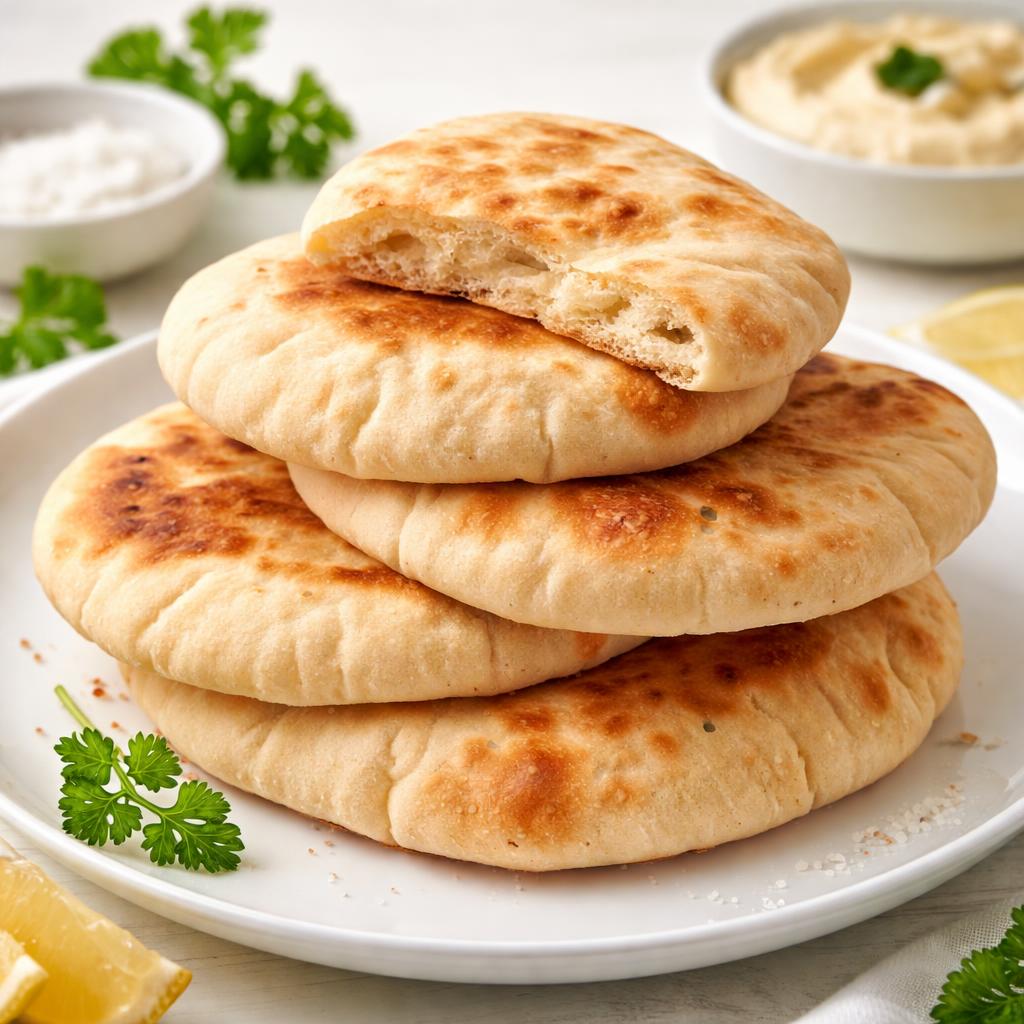
Pita Bread
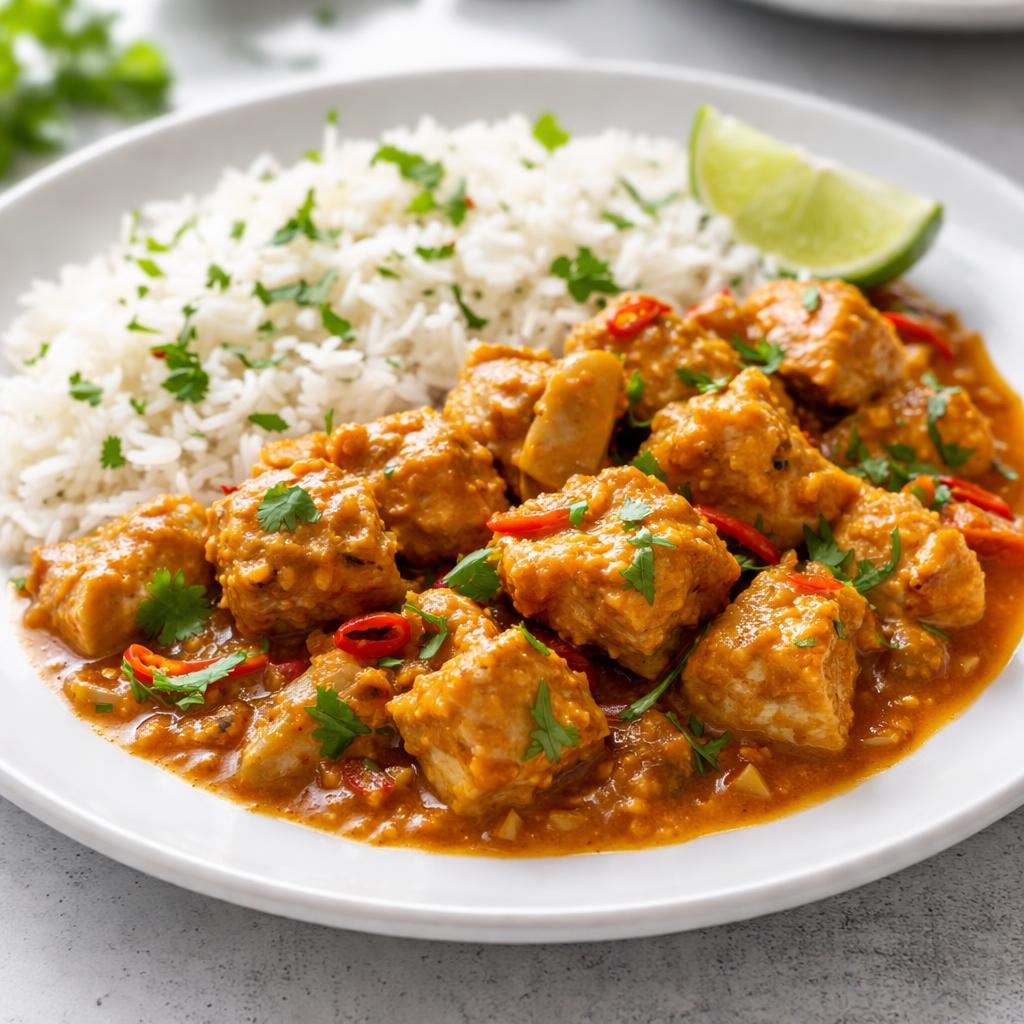
Chicken Curry With Rice
🎯 Quick Verdict
Chicken curry with rice is higher in protein and provides a greater variety of nutrients, making it more suitable for muscle growth and balanced meals. Pita bread offers fewer calories and more fiber, which makes it a lighter option for digestion-focused diets or weight management. Both have distinct use cases depending on dietary goals.

Smart Nutrition Tracking with SnapCalorie

📊 Nutritional Comparison
Macronutrients
| Nutrient | Food 1 | Food 2 | Winner |
|---|---|---|---|
| Calories | 170 | 330 | ✓ |
| Protein | 5g | 18g | ✓ |
| Carbs | 33g | 45g | ✓ |
| Fat | 1g | 10g | ✓ |
| Fiber | 2g | 1g | ✓ |
Vitamins & Minerals
| Nutrient | Food 1 | Food 2 | Winner |
|---|---|---|---|
| Vitamin A | 0mcg | 220mcg | ✓ |
| Vitamin C | 0mg | 8mg | ✓ |
| Calcium | 10mg | 20mg | ✓ |
| Iron | 0.5mg | 1.8mg | ✓ |
🏆 Category Winners
Protein
Chicken curry with rice has over 3x more protein, ideal for muscle repair and satiety.
Fiber
Pita bread contains twice the fiber per serving, aiding digestion.
Calories
Pita bread has roughly 50% fewer calories, making it a lighter choice.
Vitamins
Chicken curry with rice offers substantially more Vitamin A, C, and iron.
🥗 Diet Compatibility
Keto
Food 1: Not Compatible
Food 2: Not Compatible
Both foods are high in carbohydrates.
Vegan
Food 1: Compatible
Food 2: Not Compatible
Pita bread is plant-based, while chicken curry contains animal protein.
Gluten Free
Food 1: Not Compatible
Food 2: Not Compatible
Pita bread contains gluten, and chicken curry with rice may include gluten-containing sauces.
Paleo
Food 1: Not Compatible
Food 2: Partially Compatible
Pita bread does not meet paleo guidelines, but chicken (without rice) fits paleo diets.
Low-Carb
Food 1: Not Compatible
Food 2: Not Compatible
Both contain high levels of carbohydrates.
💪 Health Benefits Comparison
Food 1 Benefits
- Low in calories, making it suitable for weight management
- Good source of fiber to promote digestion
- Pairs well with high-protein dips for balanced meals
Food 2 Benefits
- High in protein for muscle repair and maintenance
- Rich in Vitamin A to support eye health
- Contains spices with potential anti-inflammatory properties
- Provides sustained energy due to balanced macronutrients
✅ The Bottom Line
Choose chicken curry with rice if you prioritize protein intake, vitamin diversity, and balanced energy for physical activities. Opt for pita bread for lighter meals, improved digestion, and pairing with nutrient-dense sides like hummus or salads.
Choose Food 1 for: Weight management, digestion-focused diets, light meals
Choose Food 2 for: Muscle growth, balanced meals, active lifestyles


