Pesto Pasta VS Shrimp Pasta
A detailed nutritional comparison
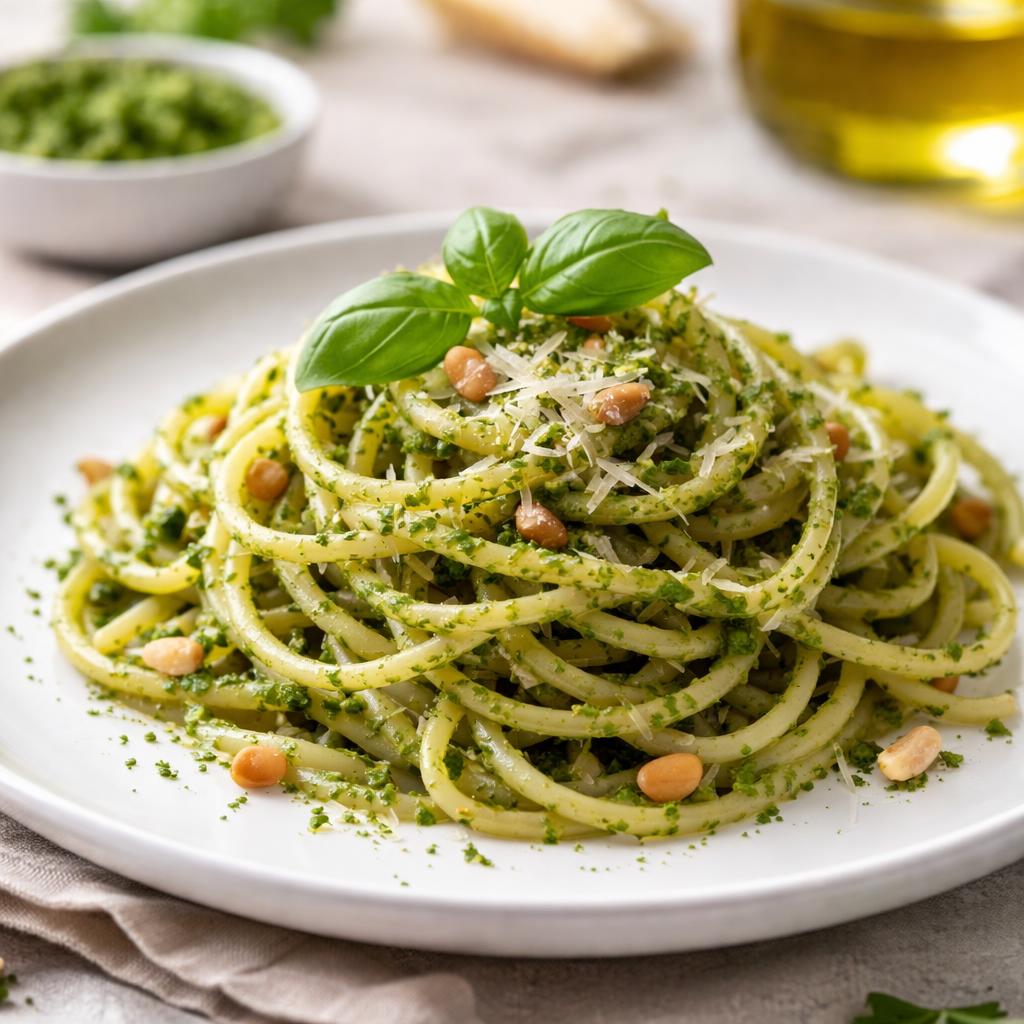
Pesto Pasta
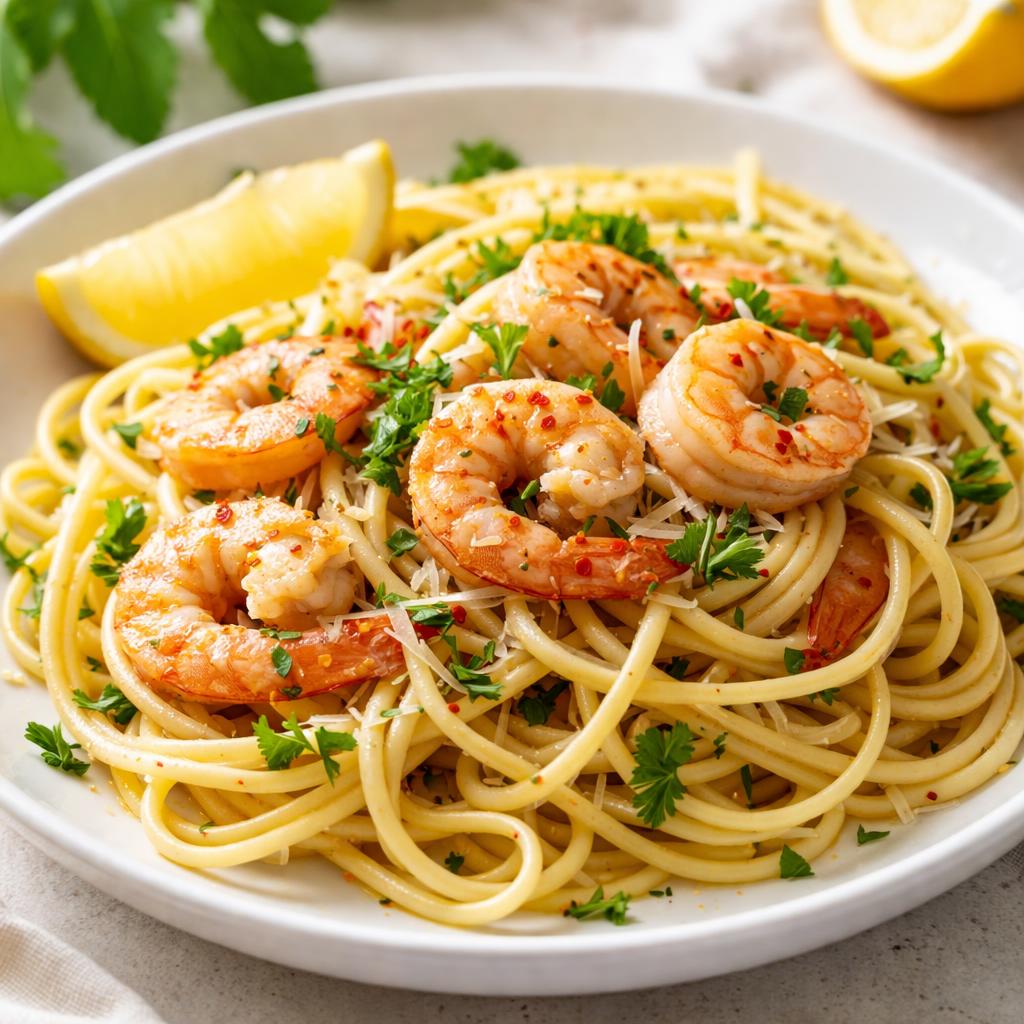
Shrimp Pasta
🎯 Quick Verdict
Shrimp pasta is higher in protein and lower in calories, making it ideal for muscle-building and weight management. On the other hand, pesto pasta offers slightly more fiber and healthy fats, which can be beneficial for digestion and sustained energy. Both are nutrient-rich choices but cater to vastly different dietary goals.

Smart Nutrition Tracking with SnapCalorie

📊 Nutritional Comparison
Macronutrients
| Nutrient | Food 1 | Food 2 | Winner |
|---|---|---|---|
| Calories | 400 | 350 | ✓ |
| Protein | 10g | 25g | ✓ |
| Carbs | 45g | 40g | ✓ |
| Fat | 18g | 8g | ✓ |
| Fiber | 4g | 3g | ✓ |
Vitamins & Minerals
| Nutrient | Food 1 | Food 2 | Winner |
|---|---|---|---|
| Vitamin D | 0mcg | 0.5mcg | ✓ |
| Vitamin C | 2mg | 10mg | ✓ |
| Calcium | 80mg | 130mg | ✓ |
| Iron | 1mg | 2mg | ✓ |
🏆 Category Winners
Protein
Shrimp pasta contains 2.5 times more protein, supporting muscle repair and growth.
Fiber
Pesto pasta offers about 33% more fiber, aiding digestive health.
Calories
Shrimp pasta is 50 calories lighter per serving, benefiting weight management.
Vitamins
Shrimp pasta delivers superior amounts of vitamin C, calcium, and iron.
🥗 Diet Compatibility
Keto
Food 1: Not Compatible
Food 2: Not Compatible
Both dishes are carb-heavy due to the pasta base.
Vegan
Food 1: Compatible
Food 2: Not Compatible
Food1 contains no animal products, while shrimp pasta is seafood-based.
Gluten Free
Food 1: Not Compatible
Food 2: Not Compatible
Both use traditional pasta, which contains gluten.
Paleo
Food 1: Not Compatible
Food 2: Not Compatible
Both are grain-based, incompatible with paleo guidelines.
Low Carb
Food 1: Not Compatible
Food 2: Not Compatible
Both dishes exceed typical low-carb thresholds due to pasta.
💪 Health Benefits Comparison
Food 1 Benefits
- Provides healthy fats from pesto for brain function
- Offers fiber for digestive health
- Rich in antioxidants like vitamin E from olive oil
Food 2 Benefits
- Excellent source of lean protein for muscle repair
- Contains omega-3 fatty acids for heart health
- Provides vitamin D for bone health
✅ The Bottom Line
Shrimp pasta is the better choice for those prioritizing protein intake and lower calorie content, such as athletes and those on weight management plans. Pesto pasta, however, shines for individuals seeking healthy fats, fiber, or vegan-friendly meals. Decision should be guided by personal dietary goals.
Choose Food 1 for: Vegan diets, digestive health, sustained energy
Choose Food 2 for: Muscle-building, weight management, nutrient density


