Pesto Pasta VS Rice Bowl
A detailed nutritional comparison
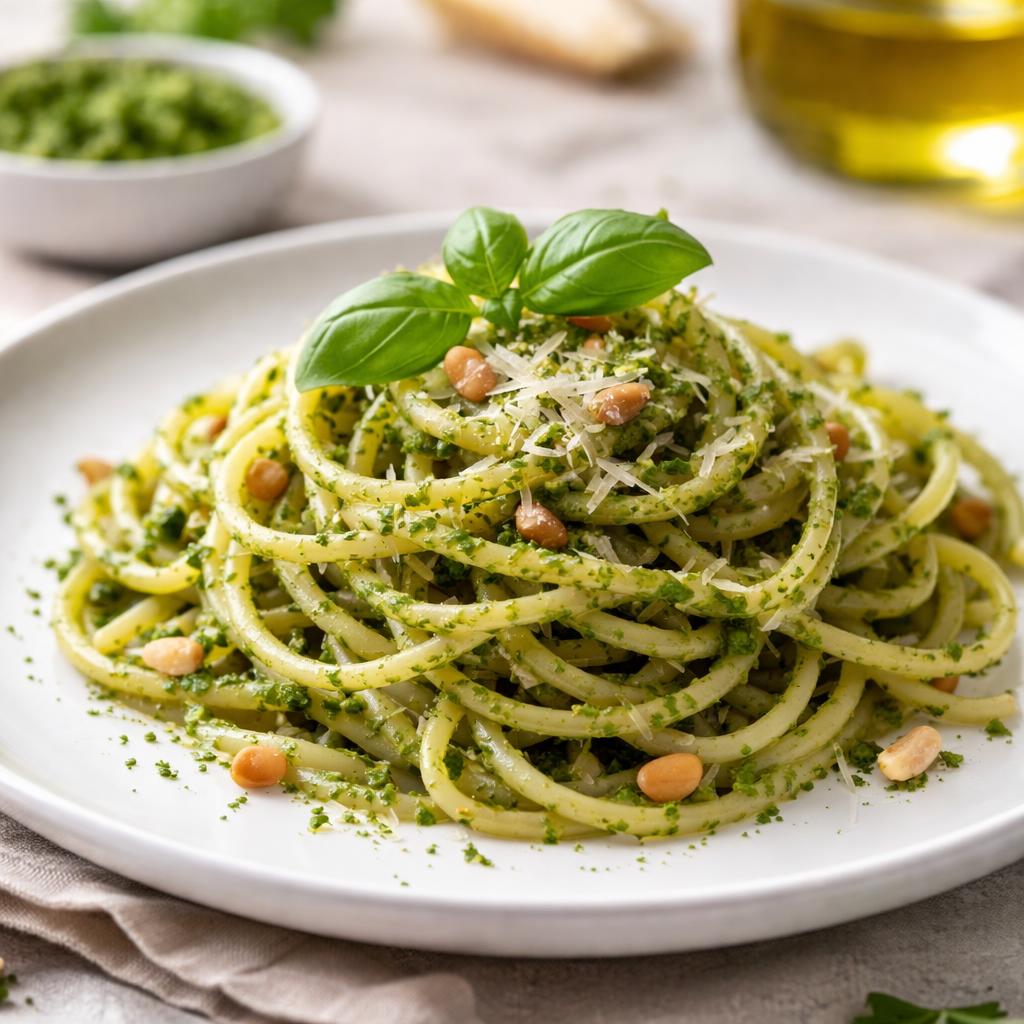
Pesto Pasta
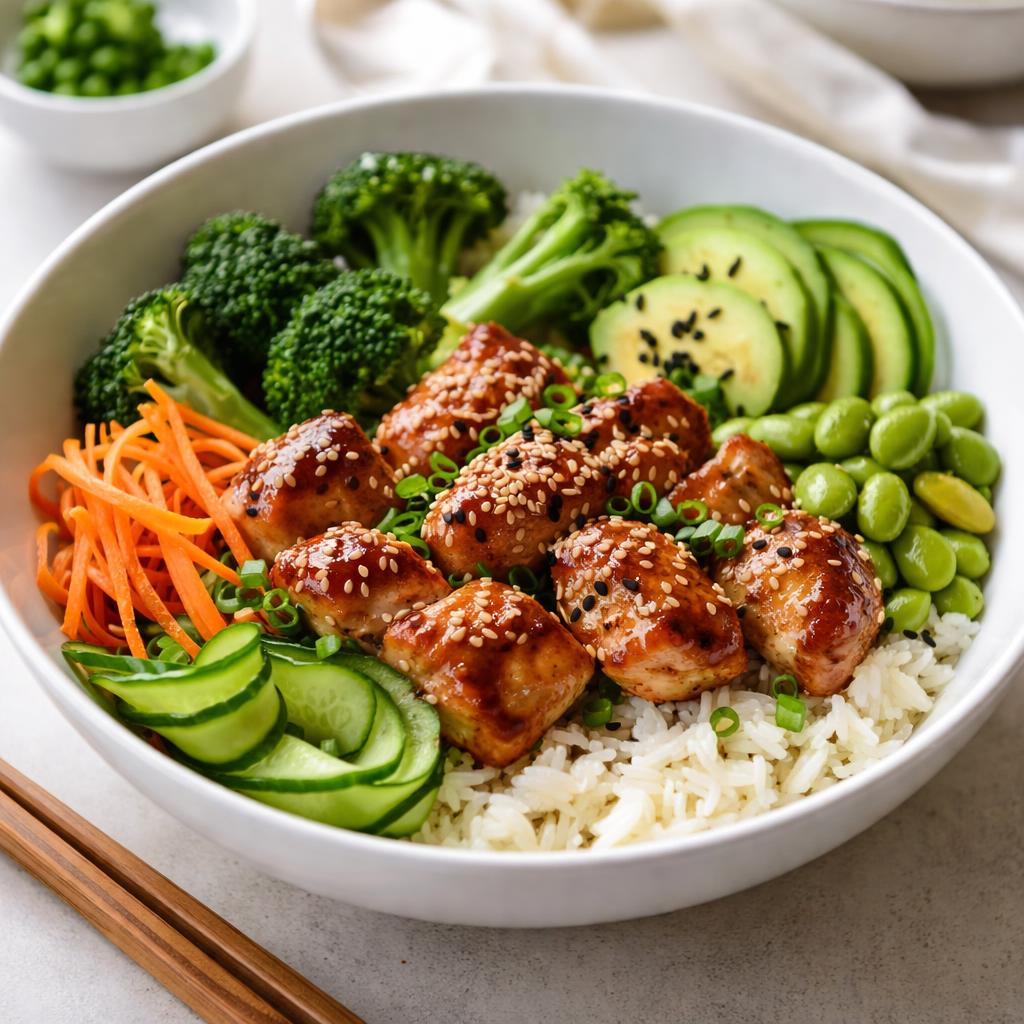
Rice Bowl
🎯 Quick Verdict
Rice bowl edges out pesto pasta in terms of fiber, nutrient density, and versatility for a balanced meal. However, pesto pasta has fewer calories and is often higher in healthy fats due to pesto sauce. Choose pesto pasta for a lighter meal or post-workout carb boost, and rice bowl for sustained energy and higher fiber content.

Smart Nutrition Tracking with SnapCalorie

📊 Nutritional Comparison
Macronutrients
| Nutrient | Food 1 | Food 2 | Winner |
|---|---|---|---|
| Calories | 350 | 420 | ✓ |
| Protein | 10g | 10g | − |
| Carbs | 40g | 50g | ✓ |
| Fat | 15g | 10g | ✓ |
| Fiber | 3g | 6g | ✓ |
Vitamins & Minerals
| Nutrient | Food 1 | Food 2 | Winner |
|---|---|---|---|
| Vitamin C | 5mg | 20mg | ✓ |
| Calcium | 55mg | 75mg | ✓ |
| Iron | 1mg | 2.5mg | ✓ |
🏆 Category Winners
Protein
Both foods provide similar amounts of protein (10g per serving).
Fiber
Rice bowl contains twice the fiber of pesto pasta.
Calories
Pesto pasta has 17% fewer calories than rice bowl per serving.
Vitamins
Rice bowl is richer in essential vitamins like Vitamin C and minerals such as iron.
🥗 Diet Compatibility
Keto
Food 1: Not Compatible
Food 2: Not Compatible
Both are high-carb foods unsuitable for keto diets.
Vegan
Food 1: Can be Compatible
Food 2: Can be Compatible
Both foods can be adapted to vegan diets by substituting ingredients (using plant-based pesto or rice toppings).
Gluten Free
Food 1: Not Compatible
Food 2: Compatible
Pesto pasta contains gluten unless gluten-free pasta is used; rice bowl is naturally gluten-free.
Paleo
Food 1: Not Compatible
Food 2: Compatible
Pesto pasta includes processed ingredients incompatible with paleo; rice bowl can be made paleo-friendly with whole food toppings.
Low-Carb
Food 1: Not Compatible
Food 2: Not Compatible
Both dishes are moderate-to-high in carbohydrates.
💪 Health Benefits Comparison
Food 1 Benefits
- Lower calorie option for portion control
- Healthy fats from pesto can support heart health
- Provides quick energy from complex carbs
Food 2 Benefits
- Rich in fiber for improved digestion
- Higher vitamin and mineral content (especially Vitamin C and iron)
- Provides sustained energy with diverse nutrient toppings
✅ The Bottom Line
Choose pesto pasta for a lighter meal or post-workout carbohydrate boost, while the rice bowl is better suited for a nutrient-dense meal with higher fiber content and sustained energy. Each dish has unique strengths that cater to different dietary needs.
Choose Food 1 for: Weight control, light meals, post-workout quick energy
Choose Food 2 for: Balanced meals, digestive health, nutrient density


