Pesto Pasta VS Fettuccine Pasta
A detailed nutritional comparison
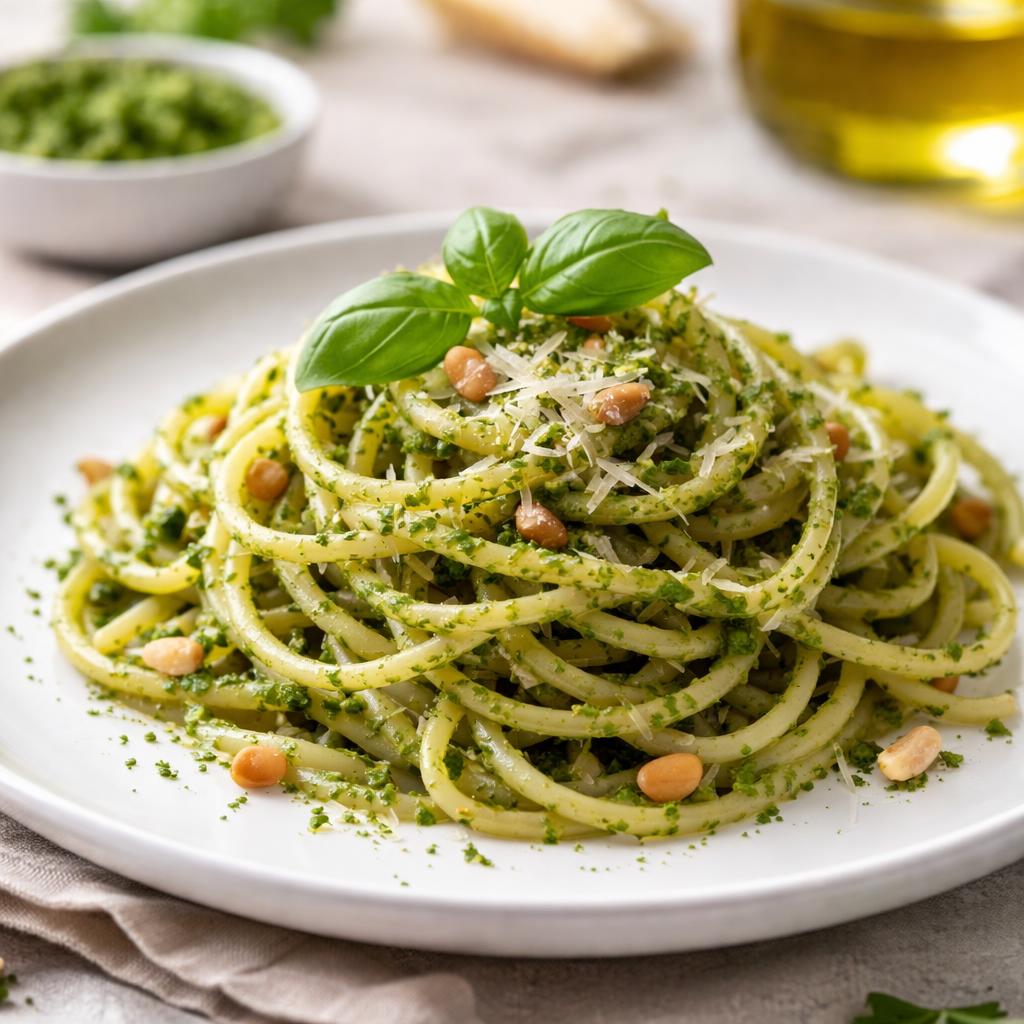
Pesto Pasta
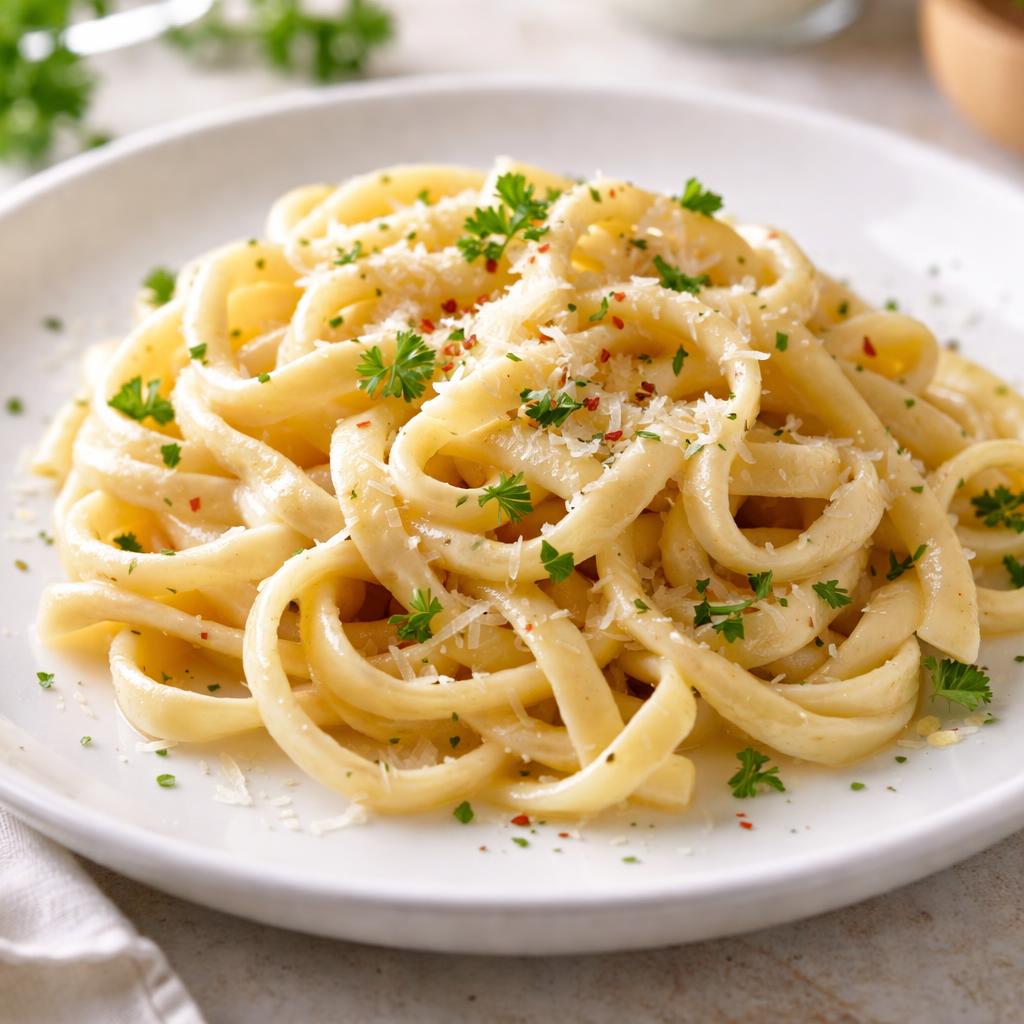
Fettuccine Pasta
🎯 Quick Verdict
Pesto pasta outshines in protein content and is richer in healthy fats due to the pesto sauce. On the other hand, fettuccine pasta is lower in calories and provides slightly more fiber, making it a lighter option for those watching calorie intake. Both are suitable for quick, satisfying meals but differ in their nutrient profiles based on your goals.

Smart Nutrition Tracking with SnapCalorie

📊 Nutritional Comparison
Macronutrients
| Nutrient | Food 1 | Food 2 | Winner |
|---|---|---|---|
| Calories | 380 | 330 | ✓ |
| Protein | 12g | 7g | ✓ |
| Carbs | 45g | 50g | ✓ |
| Fat | 18g | 8g | ✓ |
| Fiber | 3g | 4g | ✓ |
Vitamins & Minerals
| Nutrient | Food 1 | Food 2 | Winner |
|---|---|---|---|
| Vitamin A | 200IU | 100IU | ✓ |
| Vitamin C | 2mg | 0.5mg | ✓ |
| Calcium | 150mg | 50mg | ✓ |
| Iron | 2.5mg | 1.8mg | ✓ |
🏆 Category Winners
Protein
Pesto pasta has 71% more protein due to the combination of sauce and pasta.
Fiber
Fettuccine pasta has 33% more fiber, making it slightly better for digestion.
Calories
Fettuccine pasta contains 13% fewer calories, making it a lighter option.
Vitamins
Pesto pasta provides more calcium, iron, and Vitamin A due to the nutrient-rich pesto sauce.
🥗 Diet Compatibility
Keto
Food 1: Not Compatible
Food 2: Not Compatible
Both are high in carbohydrates, making them unsuitable for keto diets.
Vegan
Food 1: Not Compatible
Food 2: Not Compatible
Traditional recipes for both include dairy or egg-based ingredients.
Gluten Free
Food 1: Not Compatible
Food 2: Not Compatible
Both are made with wheat-based pasta unless gluten-free alternatives are used.
Paleo
Food 1: Not Compatible
Food 2: Not Compatible
Neither fit into paleo diets due to grain-based pasta.
Low-Carb
Food 1: Not Compatible
Food 2: Not Compatible
Both foods are relatively high in carbohydrates.
💪 Health Benefits Comparison
Food 1 Benefits
- Rich in healthy fats from pesto sauce (olive oil and nuts)
- Good source of calcium and vitamin A for bone health and vision
- Higher protein content for muscle maintenance
Food 2 Benefits
- Lower in calories for lighter meals
- Higher in fiber for improved digestion
- Provides sustained energy from complex carbs
✅ The Bottom Line
Pesto pasta is a more nutrient-dense option, suitable for those needing higher protein or healthy fats. Choose fettuccine pasta if you're aiming to reduce calories and enjoy a lighter dish. Pair either option with vegetables for added vitamins and fiber.
Choose Food 1 for: Muscle recovery, nutrient density, flavorful meals
Choose Food 2 for: Calorie-conscious diets, light pasta dishes, balanced energy


