Pasta VS Integral Bread
A detailed nutritional comparison
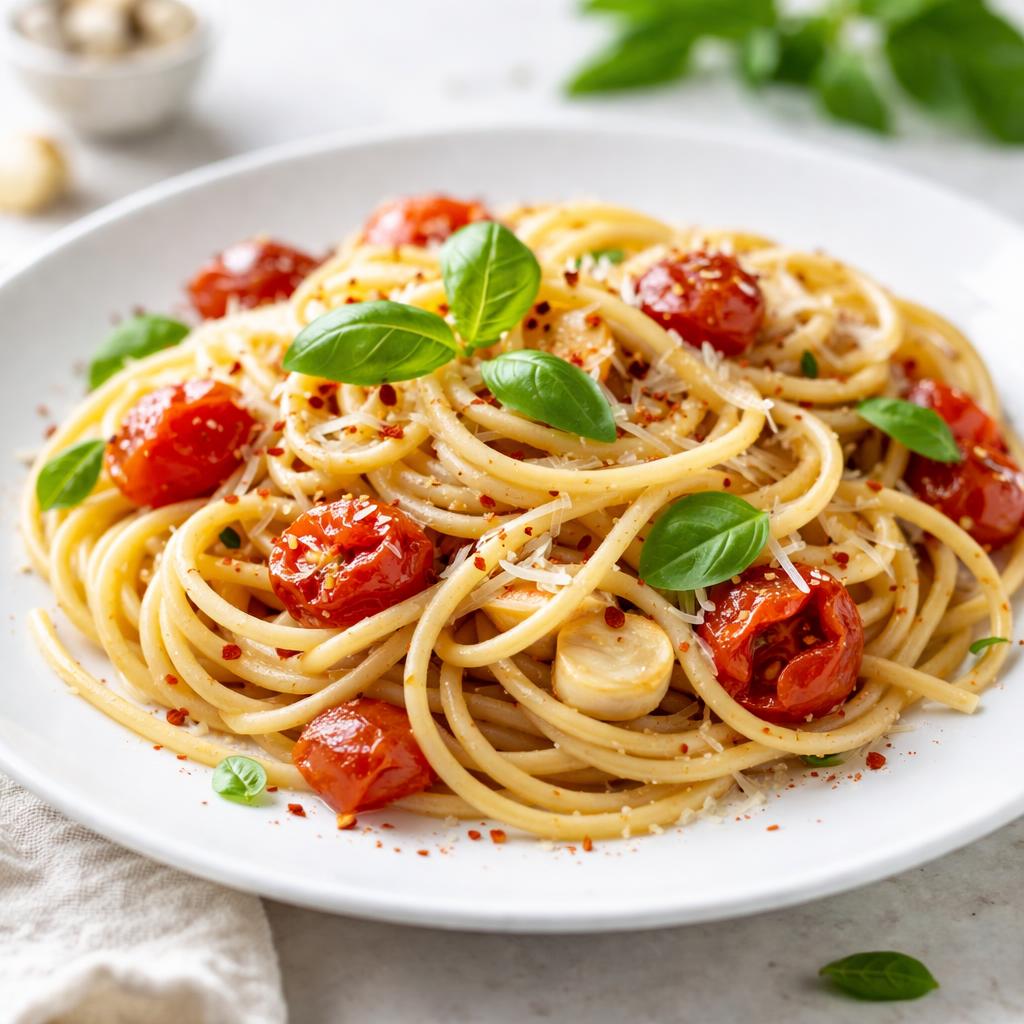
Pasta
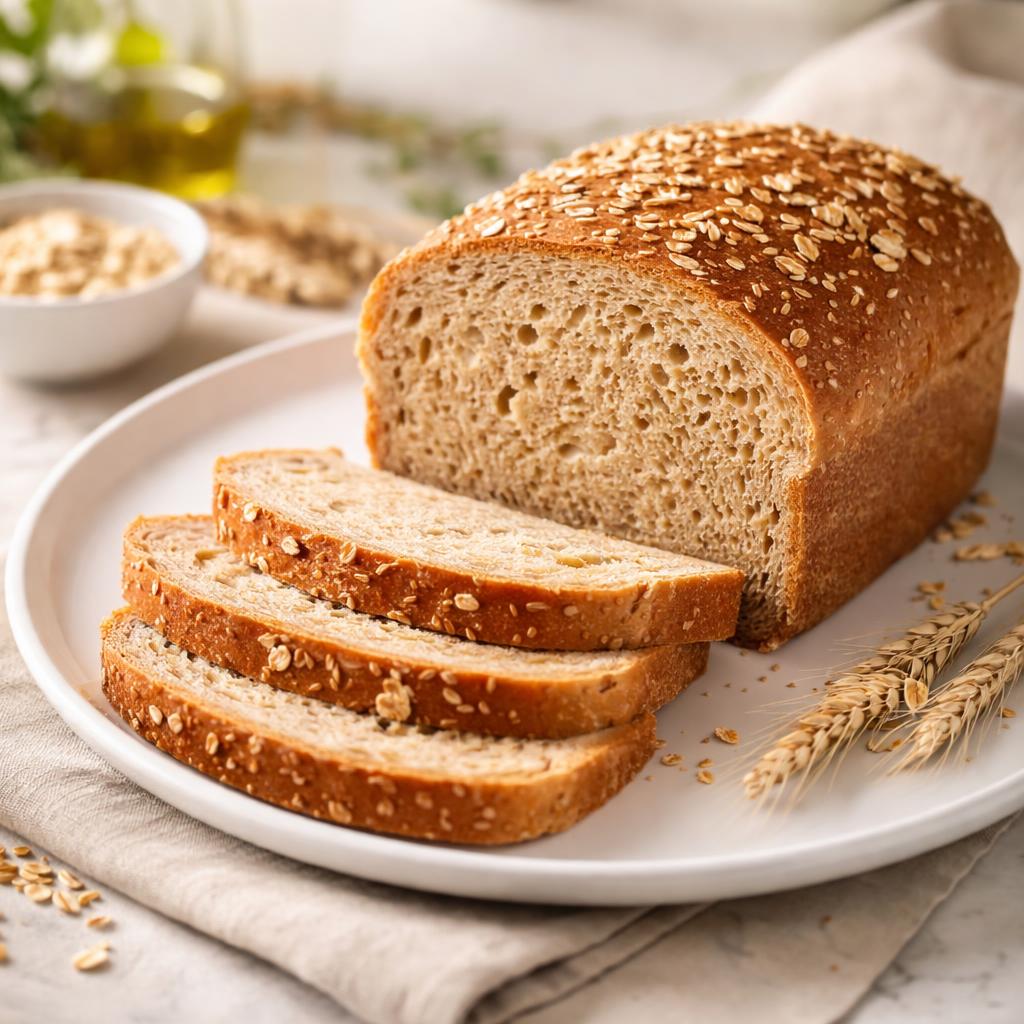
Integral Bread
🎯 Quick Verdict
Pasta and integral bread differ in their macronutrient composition and fiber content. Integral bread is higher in protein and fiber, making it more suitable for those looking to increase these nutrients, while pasta is slightly lower in calories and carbohydrates, making it a better option for calorie-conscious diets. Both foods offer different health benefits and excel in specific areas depending on individual dietary needs.

Smart Nutrition Tracking with SnapCalorie

📊 Nutritional Comparison
Macronutrients
| Nutrient | Food 1 | Food 2 | Winner |
|---|---|---|---|
| Calories | 131 per 100g | 247 per 100g | − |
| Protein | 5g per 100g | 9g per 100g | − |
| Carbs | 25g per 100g | 46g per 100g | − |
| Fat | 1.1g per 100g | 3g per 100g | − |
| Fiber | 1.4g per 100g | 6g per 100g | − |
Vitamins & Minerals
| Nutrient | Food 1 | Food 2 | Winner |
|---|---|---|---|
| Vitamin B1 | 0.17mg | 0.2mg | − |
| Iron | 1.1mg per 100g | 3.9mg per 100g | − |
| Magnesium | 18mg per 100g | 91mg per 100g | − |
🏆 Category Winners
Protein
Integral bread contains nearly twice the amount of protein compared to pasta.
Fiber
Integral bread has over four times more fiber than pasta.
Calories
Pasta contains about 47% fewer calories per 100g compared to integral bread.
🥗 Diet Compatibility
Keto
Food 1: Not Compatible
Food 2: Not Compatible
Both are high in carbohydrates.
Vegan
Food 1: Compatible
Food 2: Compatible
Both foods are plant-based and suitable for vegan diets.
Gluten Free
Food 1: Not Compatible
Food 2: Not Compatible
Both foods contain gluten from wheat.
Paleo
Food 1: Not Compatible
Food 2: Not Compatible
Neither food is compliant with the paleo diet due to the presence of processed grains.
Low-Carb
Food 1: Not Compatible
Food 2: Not Compatible
Both foods are carbohydrate-rich and unsuitable for strict low-carb diets.
💪 Health Benefits Comparison
Food 1 Benefits
- Provides a quick source of energy from carbohydrates.
- Low in fat, making it suitable for low-fat diets.
- Contains small amounts of iron for oxygen transport.
Food 2 Benefits
- Rich in dietary fiber promoting gut health and digestion.
- Higher protein content helps maintain and repair muscle tissue.
- Contains essential minerals like magnesium and iron important for bone health and blood function.
✅ The Bottom Line
Both pasta and integral bread have distinct advantages depending on dietary goals. Pasta is better for those seeking lower calories and fats, while integral bread excels in protein and fiber, ideal for satiety and muscle support.
Choose Food 1 for: Quick energy, low-fat diets, moderate-calorie meals
Choose Food 2 for: High-protein diets, digestive health, nutrient density


