Pasta Salad VS Whole Wheat Pasta
A detailed nutritional comparison
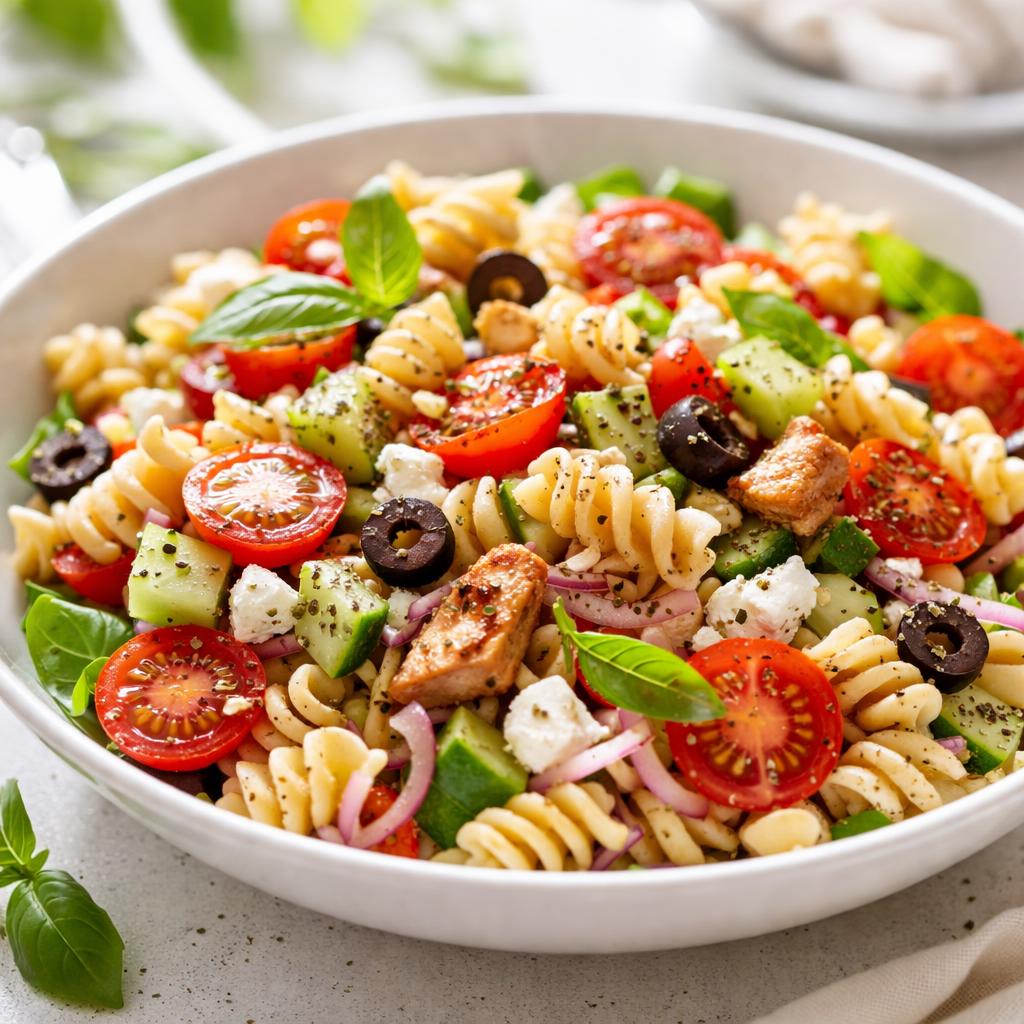
Pasta Salad
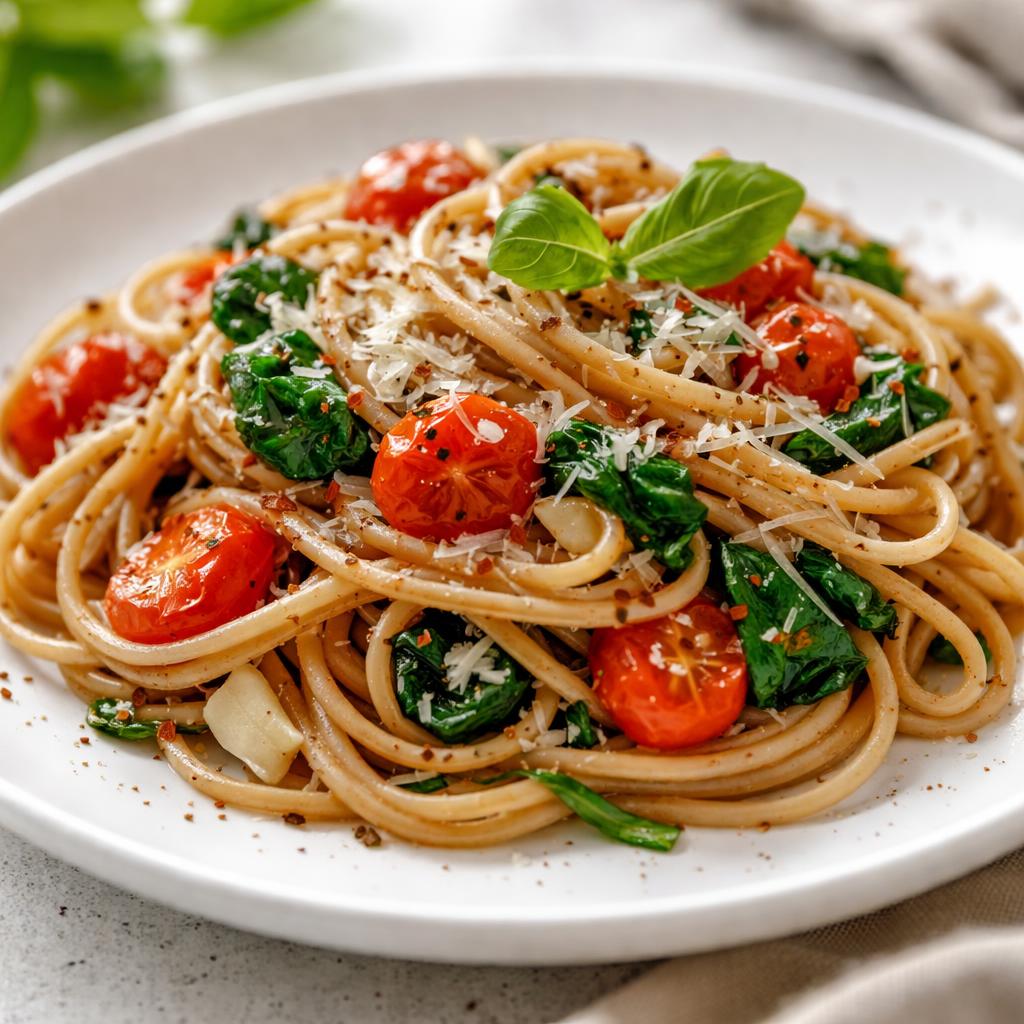
Whole Wheat Pasta
🎯 Quick Verdict
Whole wheat pasta outperforms pasta salad in protein and fiber content, making it a better choice for long-term satiety and digestion. Pasta salad is slightly lower in calories and has added fats and flavor, making it suitable for quick energy and enjoyable meals. Choose whole wheat pasta for nutrient density and pasta salad for convenience and taste balance.

Smart Nutrition Tracking with SnapCalorie

📊 Nutritional Comparison
Macronutrients
| Nutrient | Food 1 | Food 2 | Winner |
|---|---|---|---|
| Calories | 320 | 200 | − |
| Protein | 8g | 12g | − |
| Carbs | 30g | 37g | − |
| Fat | 14g | 1g | − |
| Fiber | 2g | 6g | − |
Vitamins & Minerals
| Nutrient | Food 1 | Food 2 | Winner |
|---|---|---|---|
| Vitamin B6 | 0.2mg | 0.3mg | − |
| Iron | 1.5mg | 2.8mg | − |
| Magnesium | 20mg | 35mg | − |
| Vitamin C (if veggies included) | 5mg | 0mg | − |
🏆 Category Winners
Protein
Whole wheat pasta contains 50% more protein per serving compared to pasta salad.
Fiber
Whole wheat pasta has three times more fiber than pasta salad.
Calories
Pasta salad contains 37.5% more calories, but the added fats make it energy-dense.
🥗 Diet Compatibility
Keto
Food 1: Not Compatible
Food 2: Not Compatible
Both are high in carbohydrates.
Vegan
Food 1: Compatible
Food 2: Compatible
Both are suitable as plant-based options.
Gluten Free
Food 1: Not Compatible
Food 2: Not Compatible
Both contain gluten.
Paleo
Food 1: Not Compatible
Food 2: Not Compatible
Grains are not allowed in paleo diets.
Low-Carb
Food 1: Not Compatible
Food 2: Not Compatible
Carbohydrate content is high in both foods.
💪 Health Benefits Comparison
Food 1 Benefits
- Contains healthy fats for sustained energy
- Includes added vegetables for more vitamins and antioxidants
- Can be customized with lean proteins like chicken or beans
Food 2 Benefits
- Rich in fiber for digestive health
- Provides a steady release of energy due to complex carbs
- Higher protein content supports muscle maintenance
✅ The Bottom Line
Choose pasta salad for quick and flavorful meals that include added fats and vegetables, making it ideal for parties or casual meals. Whole wheat pasta is better suited for a nutrient-dense option with higher fiber and protein, perfect for fitness enthusiasts or energy management throughout the day.
Choose Food 1 for: Convenience, pleasing taste balance, social meals or parties
Choose Food 2 for: Fitness goals, nutrient density, long-term energy and satiety


