Pasta Salad VS Seafood Pasta
A detailed nutritional comparison
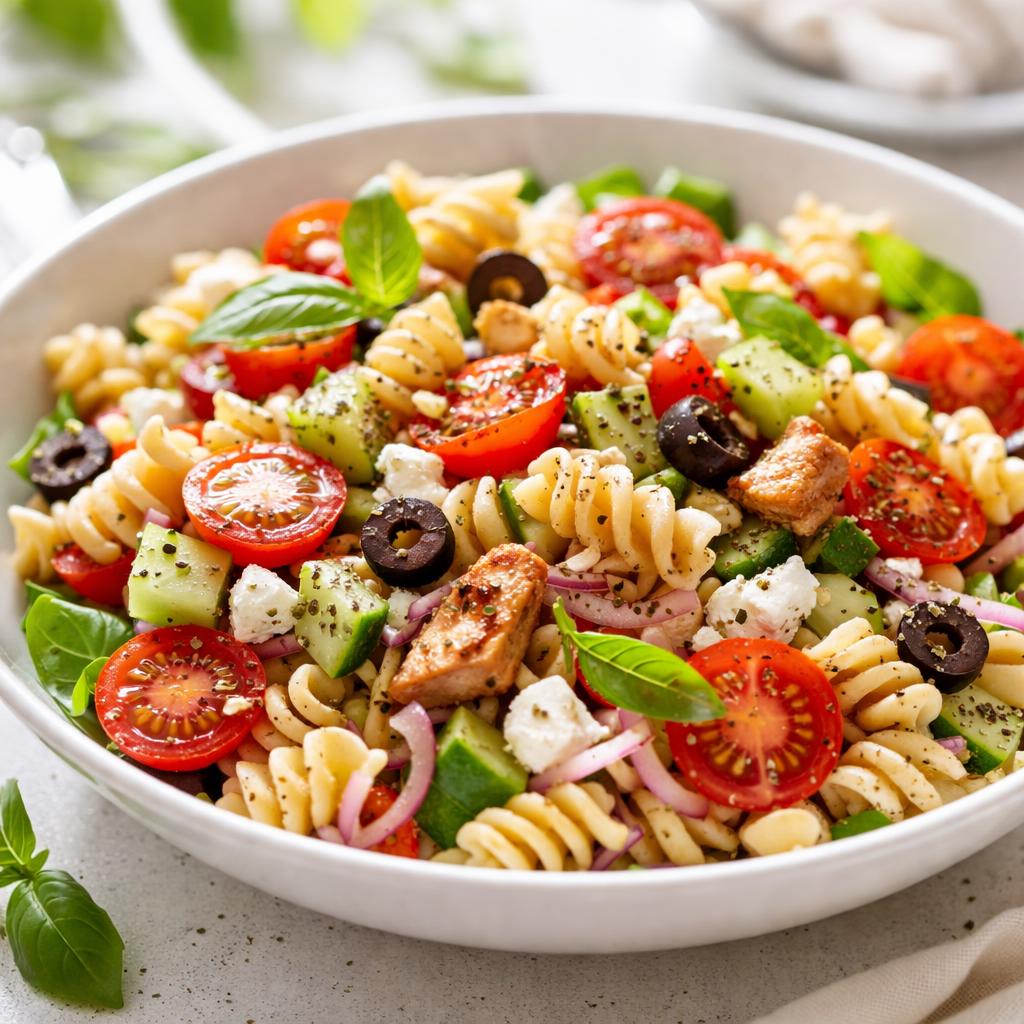
Pasta Salad
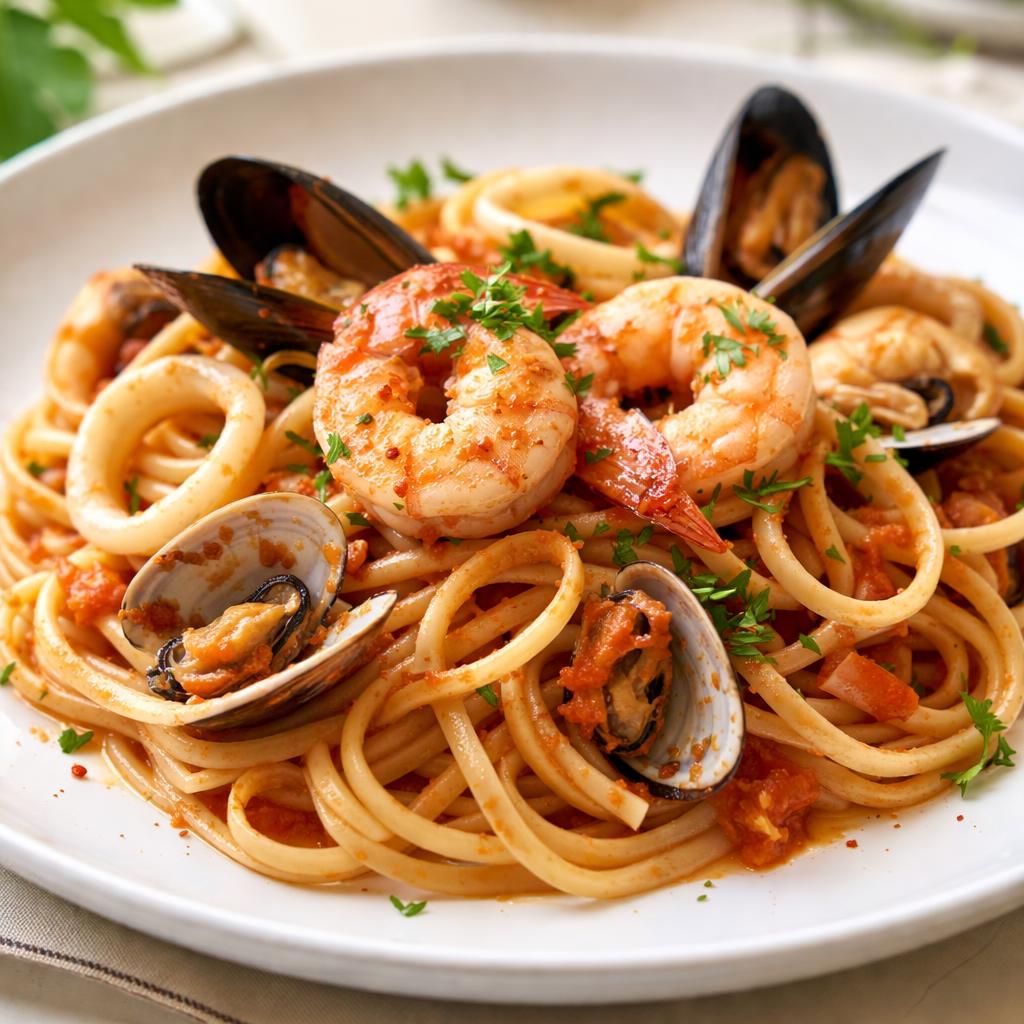
Seafood Pasta
🎯 Quick Verdict
Seafood pasta has significantly more protein, making it a better choice for muscle maintenance and high-protein diets. Pasta salad is lighter with fewer calories and more fiber, ideal for weight management or digestive health. Both foods have their strengths depending on dietary goals and preferences.

Smart Nutrition Tracking with SnapCalorie

📊 Nutritional Comparison
Macronutrients
| Nutrient | Food 1 | Food 2 | Winner |
|---|---|---|---|
| Calories | 250 | 350 | ✓ |
| Protein | 8g | 20g | ✓ |
| Carbs | 30g | 40g | ✓ |
| Fat | 10g | 15g | ✓ |
| Fiber | 4g | 2g | ✓ |
Vitamins & Minerals
| Nutrient | Food 1 | Food 2 | Winner |
|---|---|---|---|
| Vitamin D | 0mcg | 4mcg | ✓ |
| Calcium | 30mg | 70mg | ✓ |
| Iron | 1mg | 2mg | ✓ |
🏆 Category Winners
Protein
Seafood pasta provides more than twice the protein compared to pasta salad.
Fiber
Pasta salad offers 100% more fiber than seafood pasta.
Calories
Pasta salad contains 28% fewer calories than seafood pasta.
Vitamins
Seafood pasta contains higher levels of vitamin D, calcium, and iron, making it more nutrient-dense.
🥗 Diet Compatibility
Keto
Food 1: Not Compatible
Food 2: Not Compatible
Both foods are high in carbs from pasta, unsuitable for keto diets.
Vegan
Food 1: Compatible
Food 2: Not Compatible
Pasta salad can be made vegan using plant-based ingredients, while seafood pasta inherently includes animal products.
Gluten Free
Food 1: Not Compatible
Food 2: Not Compatible
Unless using gluten-free pasta, both foods contain gluten.
Paleo
Food 1: Not Compatible
Food 2: Not Compatible
Pasta is not considered paleo due to its grain-based nature.
Low-Carb
Food 1: Not Compatible
Food 2: Not Compatible
Both foods contain substantial carb content.
💪 Health Benefits Comparison
Food 1 Benefits
- Good source of fiber for digestive health
- Lower calorie content for weight management
- Versatile and customizable to fit plant-based diets
Food 2 Benefits
- High protein content supports muscle maintenance and repair
- Rich in vitamin D for bone health
- Contains heart-healthy omega-3 fatty acids from seafood
✅ The Bottom Line
Choose pasta salad if you're looking for a lighter option with more fiber and lower calories, suitable for weight management and vegan diets. Opt for seafood pasta when higher protein and essential nutrients like vitamin D and omega-3s are priorities, such as for active lifestyles or nutrient-dense meals.
Choose Food 1 for: Weight management, vegan diets, plant-based customization
Choose Food 2 for: Muscle building, nutrient-dense meals, heart health


