Overnight Oats VS Whole Wheat Bread
A detailed nutritional comparison

Overnight Oats
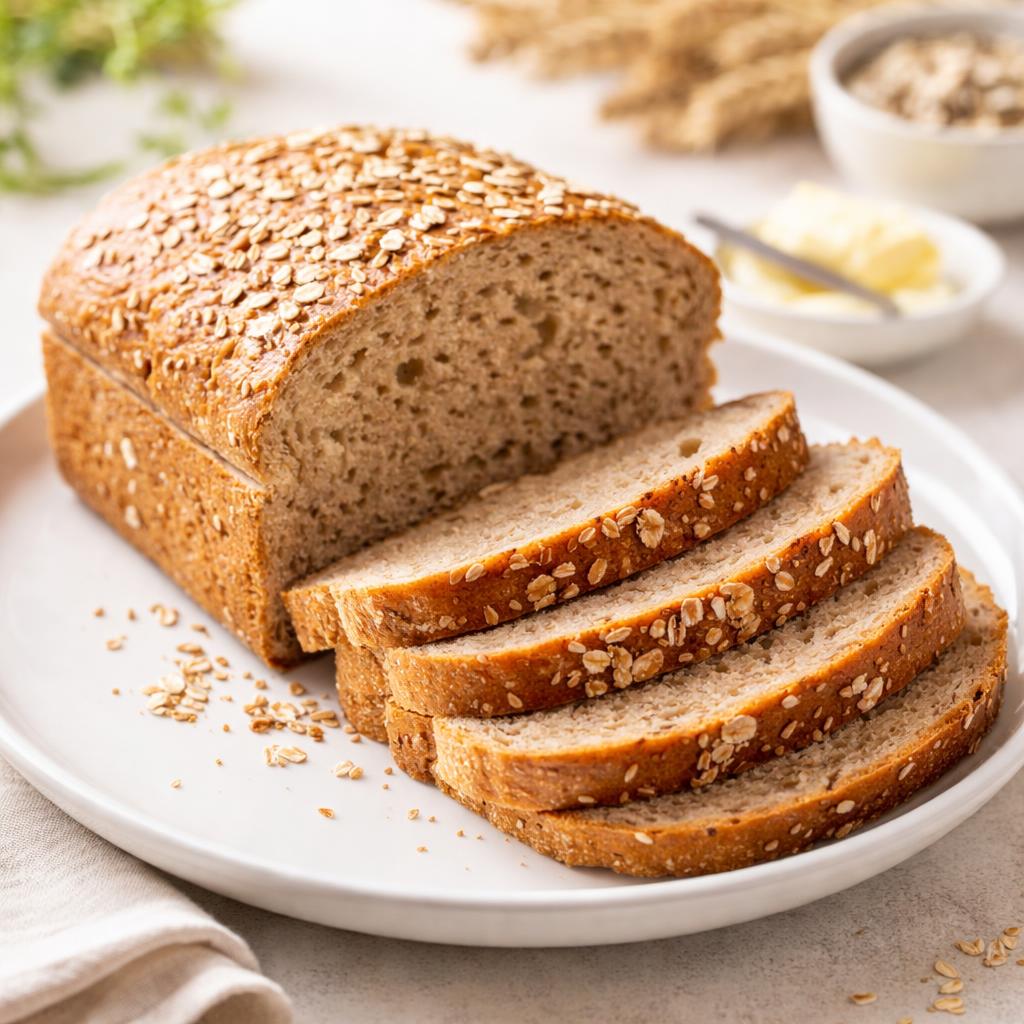
Whole Wheat Bread
🎯 Quick Verdict
Overnight oats and whole wheat bread are both nutrient-dense options with different advantages. Overnight oats excel in fiber content and provide sustained energy, while whole wheat bread is lower in calories and slightly higher in protein. Choose overnight oats for digestive health and satiety or whole wheat bread for a lighter option and convenience in meals like sandwiches or toast.

Smart Nutrition Tracking with SnapCalorie

📊 Nutritional Comparison
Macronutrients
| Nutrient | Food 1 | Food 2 | Winner |
|---|---|---|---|
| Calories | 150 | 120 | ✓ |
| Protein | 5g | 6g | ✓ |
| Carbs | 27g | 22g | ✓ |
| Fat | 3g | 1g | ✓ |
| Fiber | 4g | 2.5g | ✓ |
Vitamins & Minerals
| Nutrient | Food 1 | Food 2 | Winner |
|---|---|---|---|
| Vitamin D | 0mcg | 0mcg | − |
| Calcium | 40mg | 30mg | ✓ |
| Iron | 1.5mg | 2mg | ✓ |
🏆 Category Winners
Protein
Whole wheat bread provides 20% more protein per serving than overnight oats.
Fiber
Overnight oats contain nearly 60% more fiber, aiding digestion and satiety.
Calories
Whole wheat bread is about 20% lower in calories, ideal for low-calorie diets.
🥗 Diet Compatibility
Keto
Food 1: Not Compatible
Food 2: Not Compatible
Both foods are high in carbs and not suitable for keto diets.
Vegan
Food 1: Compatible
Food 2: Compatible
Both foods are plant-based.
Gluten Free
Food 1: Compatible if gluten-free oats are used
Food 2: Not Compatible
Food1 can be made gluten-free with certified oats.
Paleo
Food 1: Not Compatible
Food 2: Not Compatible
Both foods contain grains, which are excluded in the paleo diet.
Low Carb
Food 1: Not Compatible
Food 2: Not Compatible
Both foods have relatively high carbohydrate content.
💪 Health Benefits Comparison
Food 1 Benefits
- Rich in fiber for improved digestion and gut health
- Provides sustained energy with slow-digesting carbs
- Contains key minerals like magnesium and zinc for overall health
- Can be customized with nutrient-dense toppings like fruits and nuts
Food 2 Benefits
- Good source of protein to support muscle maintenance
- Low in calories, ideal for weight management
- Provides B vitamins for energy metabolism
- Contains small amounts of minerals like iron and magnesium
✅ The Bottom Line
Overnight oats are ideal for mornings when you need sustained energy and improved digestion due to their high fiber and slow-digesting carbs. Whole wheat bread, being lower in calories and slightly higher in protein, is better suited for those looking for lighter meals or quick meal assembly like sandwiches.
Choose Food 1 for: Breakfast, digestive health, sustained energy
Choose Food 2 for: Low-calorie diets, quick meals, convenient snacks


