Oats VS Plain Rice
A detailed nutritional comparison
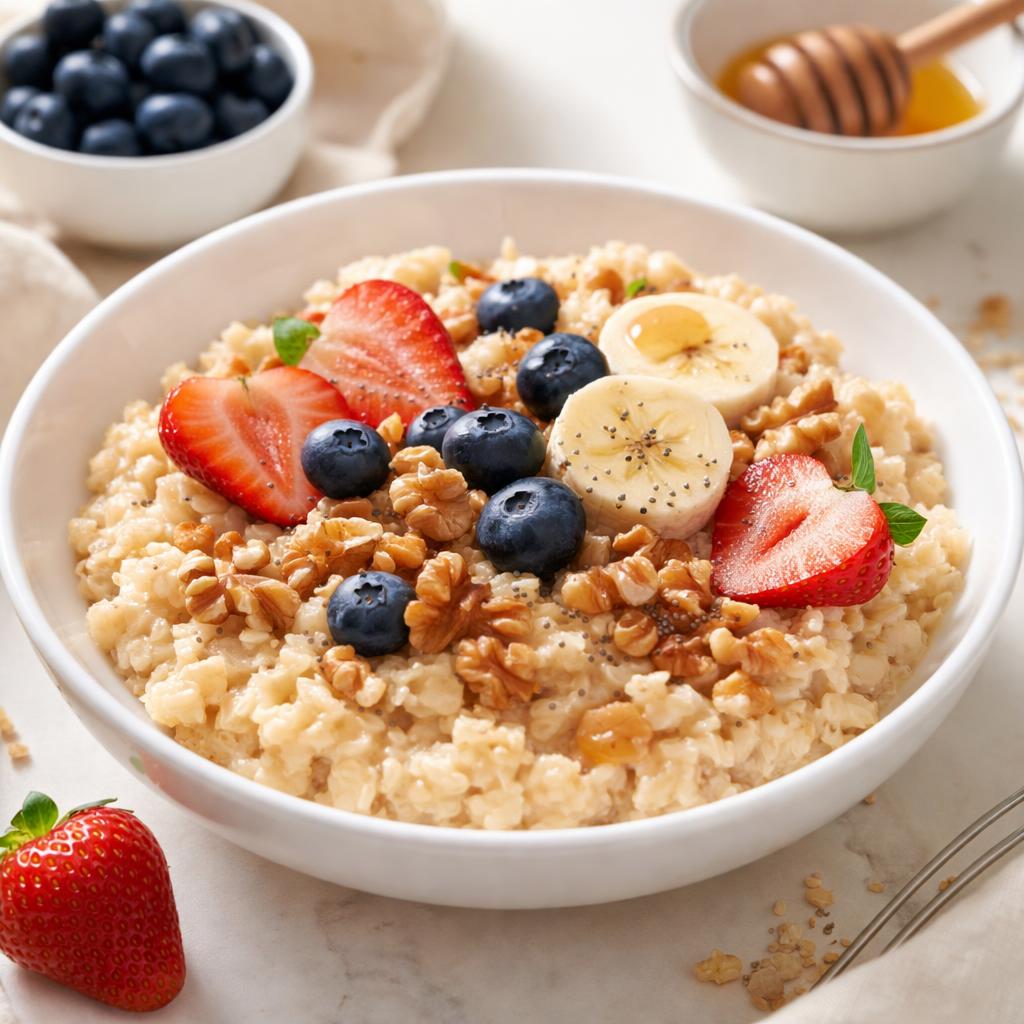
Oats
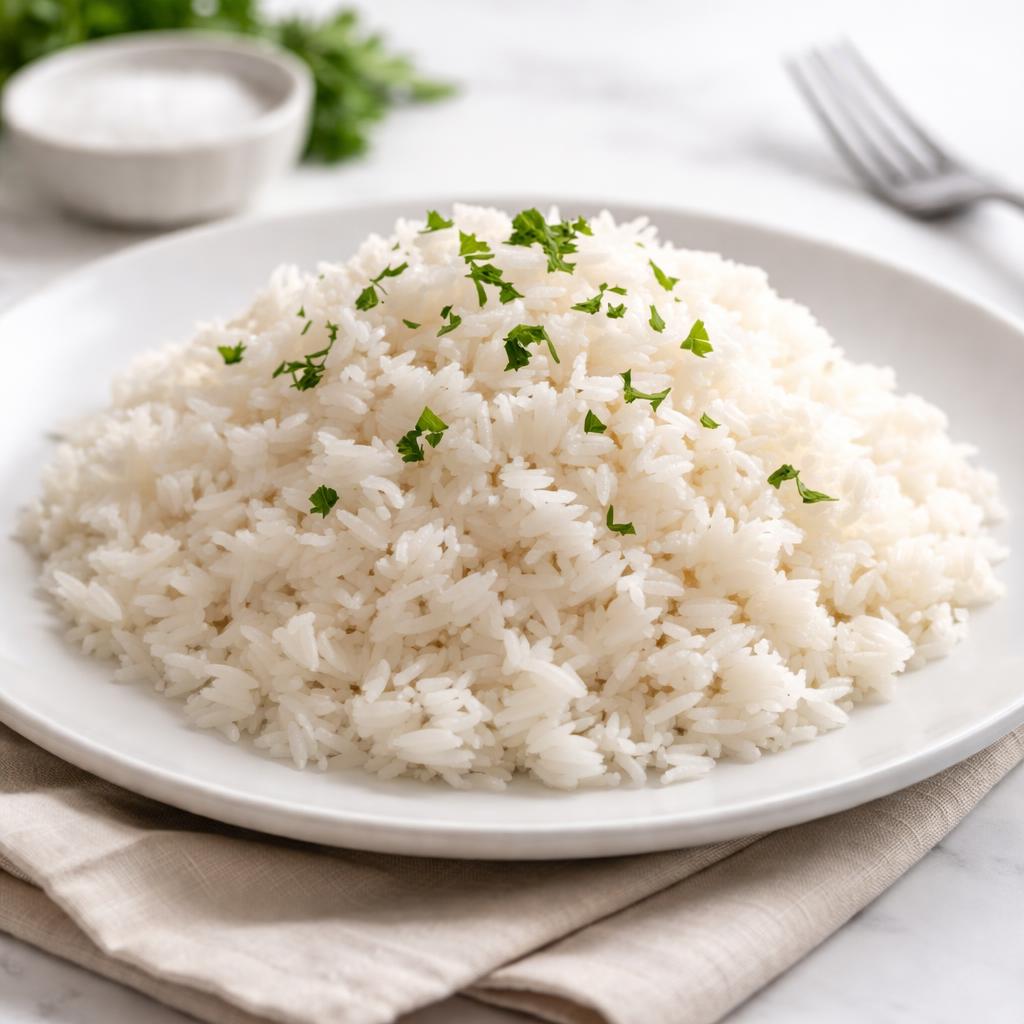
Plain Rice
🎯 Quick Verdict
Oats are nutritionally superior in protein and fiber, making them a better choice for satiety and digestive health. Plain rice is lower in calories and is an energy-dense option, ideal for quick fuel. Both are versatile, but oats lean toward fitness-focused diets, while rice is more traditional for balanced meals or carb-loading needs.

Smart Nutrition Tracking with SnapCalorie

📊 Nutritional Comparison
Macronutrients
| Nutrient | Food 1 | Food 2 | Winner |
|---|---|---|---|
| Calories | 150 per 1/2 cup (dry) | 160 per 1/2 cup (dry) | ✓ |
| Protein | 5g | 2g | ✓ |
| Carbs | 27g | 35g | ✓ |
| Fat | 3g | 0g | ✓ |
| Fiber | 4g | 0g | ✓ |
Vitamins & Minerals
| Nutrient | Food 1 | Food 2 | Winner |
|---|---|---|---|
| Vitamin B6 | 0.1mg | 0mg | ✓ |
| Iron | 1.5mg | 0.2mg | ✓ |
| Magnesium | 60mg | 10mg | ✓ |
🏆 Category Winners
Protein
Oats contain more than double the protein of rice.
Fiber
Oats have 4g of fiber per serving compared to 0g in rice, aiding digestion.
Calories
Rice has slightly fewer calories, which is ideal for energy density without extras.
Vitamins
Oats provide better overall vitamin and mineral content, including B6, magnesium, and iron.
🥗 Diet Compatibility
Keto
Food 1: Not Compatible
Food 2: Not Compatible
Both are high-carb and not suitable for keto diets.
Vegan
Food 1: Compatible
Food 2: Compatible
Both oats and rice are plant-based options suitable for vegan diets.
Gluten Free
Food 1: Compatible (certified GF)
Food 2: Compatible
Oats require a gluten-free certification; rice is naturally gluten-free.
Paleo
Food 1: Not Compatible
Food 2: Not Compatible
Neither oats nor rice is approved in strict paleo diets.
Low-Carb
Food 1: Not Compatible
Food 2: Not Compatible
Both foods are high in carbohydrates and not suitable for low-carb diets.
💪 Health Benefits Comparison
Food 1 Benefits
- High in fiber to support healthy digestion and regularity
- Contains plant-based protein for muscle maintenance
- Rich in magnesium, important for heart and nerve health
- Provides sustained energy due to complex carbs
Food 2 Benefits
- Quick and clean source of carbohydrates for energy
- Low in fat, ideal for lighter meals
- Easy to digest, making it suitable for recovery meals
- Versatile base for nutrient-rich dishes
✅ The Bottom Line
Choose oats for a nutrient-rich, protein and fiber-packed meal, especially if focusing on fitness goals or digestive health. Opt for plain rice when lower calories, easy digestion, or quick carbs are needed, such as during intense training periods or balanced meals.
Choose Food 1 for: Fitness-focused diets, high-protein breakfasts, weight management
Choose Food 2 for: Carb-loading for athletes, simple meals, energy support


