Oats VS Boiled Buckwheat
A detailed nutritional comparison
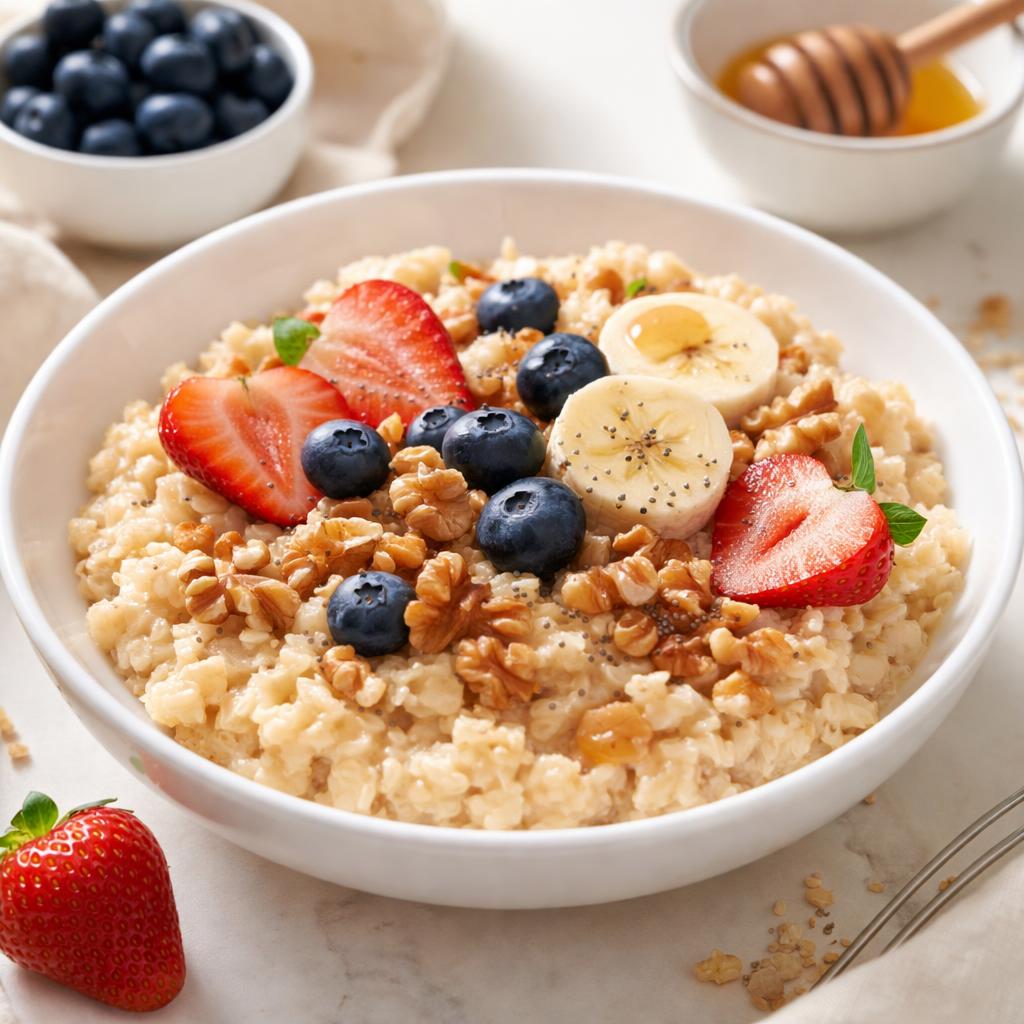
Oats
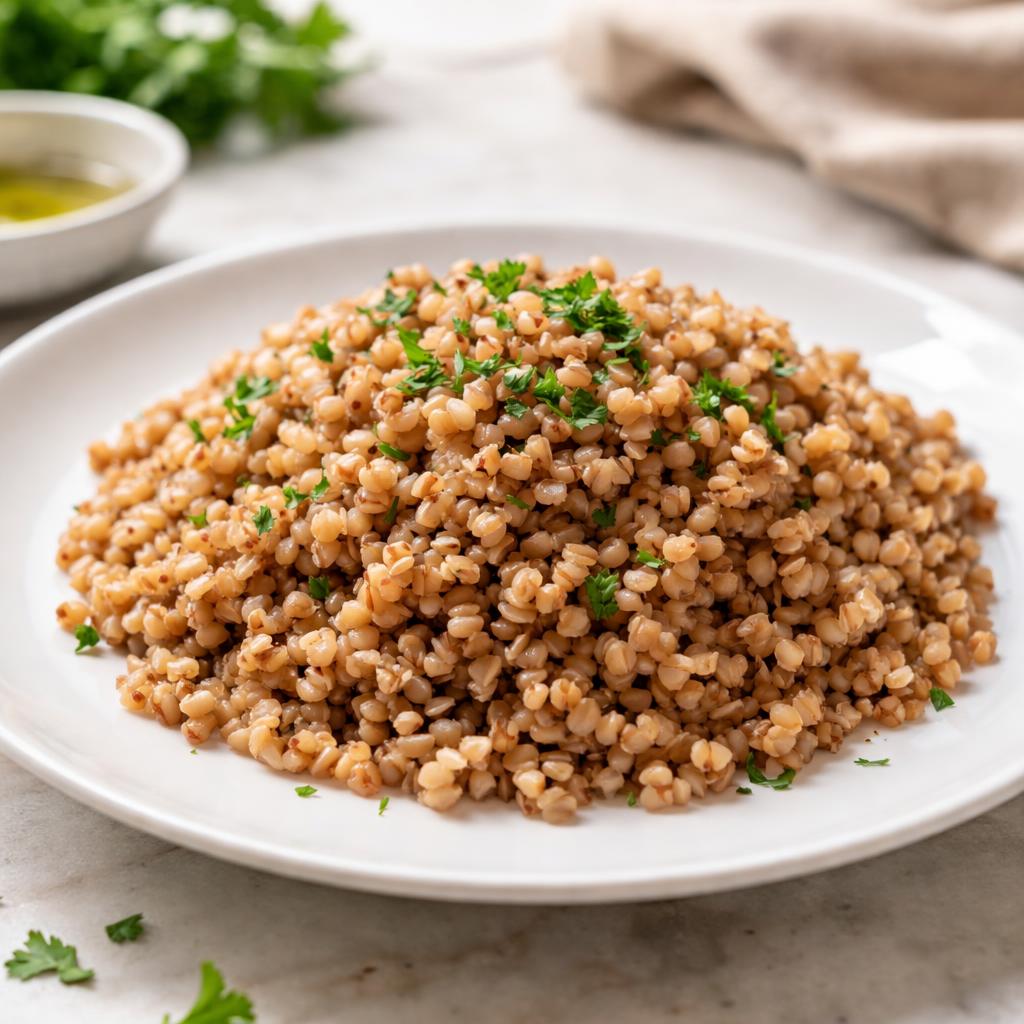
Boiled Buckwheat
🎯 Quick Verdict
Oats and boiled buckwheat are both nutrient-dense whole grains with distinct nutritional profiles. Oats are slightly higher in fiber, making them ideal for digestion, while buckwheat boasts higher protein content and fewer calories per serving. Both are versatile and suitable for various diets, although oats provide sustained energy while buckwheat is better for calorie-conscious diets and gluten-free eating plans.

Smart Nutrition Tracking with SnapCalorie

📊 Nutritional Comparison
Macronutrients
| Nutrient | Food 1 | Food 2 | Winner |
|---|---|---|---|
| Calories | 154 | 132 | ✓ |
| Protein | 5.5g | 6g | ✓ |
| Carbs | 27g | 28g | ✓ |
| Fat | 3g | 0.6g | ✓ |
| Fiber | 4g | 2.7g | ✓ |
Vitamins & Minerals
| Nutrient | Food 1 | Food 2 | Winner |
|---|---|---|---|
| Vitamin B1 (Thiamine) | 0.2mg | 0.1mg | ✓ |
| Magnesium | 60mg | 86mg | ✓ |
| Iron | 1.7mg | 1.3mg | ✓ |
| Zinc | 1.3mg | 0.9mg | ✓ |
🏆 Category Winners
Protein
Buckwheat has slightly more protein per serving (6g vs 5.5g).
Fiber
Oats contain 48% more fiber per serving compared to buckwheat.
Calories
Buckwheat has 22 fewer calories per serving.
Vitamins
Both foods excel in different nutrients, with oats being richer in iron and zinc and buckwheat providing more magnesium.
🥗 Diet Compatibility
Keto
Food 1: Not Compatible
Food 2: Not Compatible
Both are high-carb and unsuitable for keto diets.
Vegan
Food 1: Compatible
Food 2: Compatible
Both are plant-based and vegan-friendly.
Gluten Free
Food 1: Not Compatible
Food 2: Compatible
Buckwheat is naturally gluten-free, while oats often require certification to avoid cross-contamination.
Paleo
Food 1: Not Compatible
Food 2: Not Compatible
Neither fits strict paleo guidelines due to grain content.
Low-Carb
Food 1: Not Compatible
Food 2: Not Compatible
Both are carb-heavy and not ideal for low-carb diets.
💪 Health Benefits Comparison
Food 1 Benefits
- High in fiber for improved digestion and heart health.
- Provides slow-releasing carbs for sustained energy.
- Contains B vitamins for energy metabolism.
Food 2 Benefits
- Good source of complete plant-based protein for muscle maintenance.
- Rich in magnesium, supporting bone health and relaxation.
- Naturally gluten-free, making it ideal for sensitive diets.
✅ The Bottom Line
Oats and boiled buckwheat both offer nutritious benefits depending on dietary goals. Choose oats for fiber-rich breakfasts and energy-dense meals, while buckwheat is ideal for lower-calorie meals or gluten-free diets.
Choose Food 1 for: Sustained energy, digestive health, heart-healthy diets
Choose Food 2 for: Gluten-free diets, higher protein meals, calorie-conscious eating


