Noodles VS Whole Wheat Bread
A detailed nutritional comparison
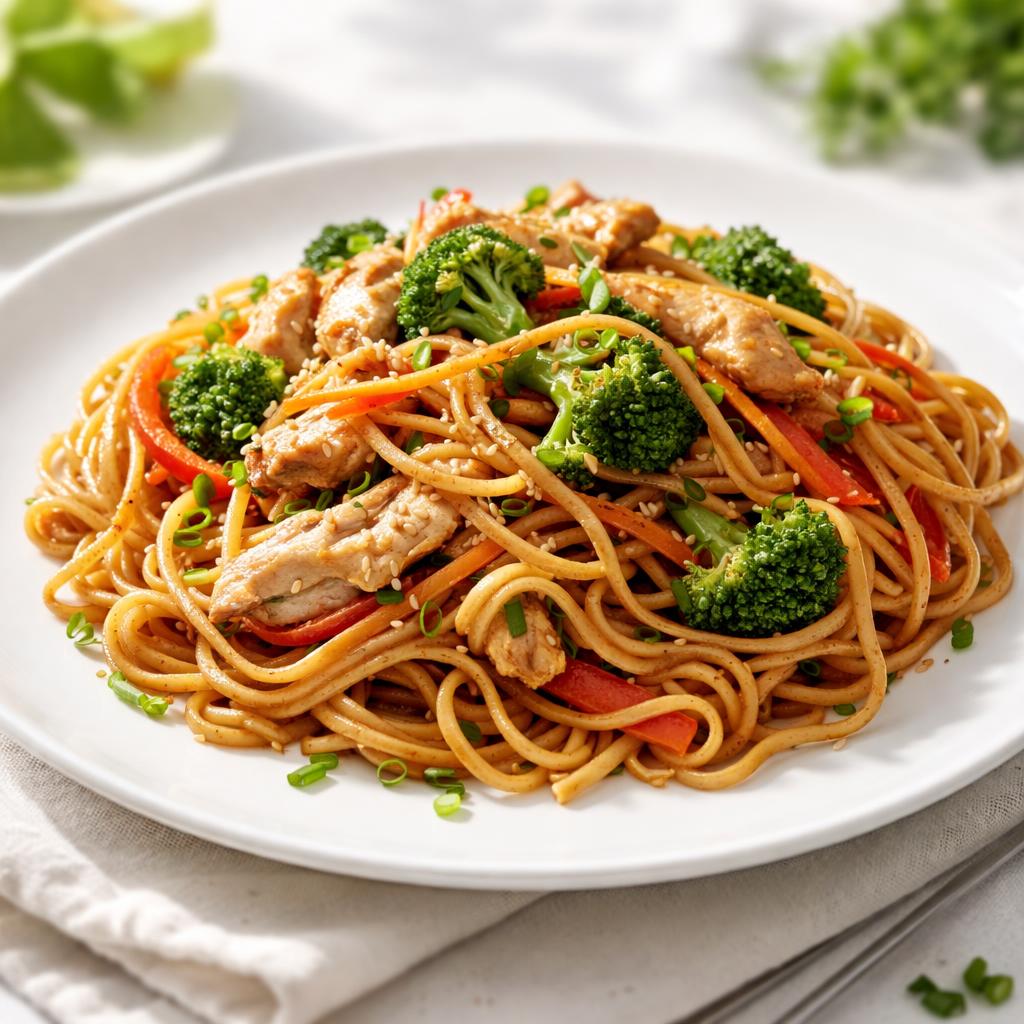
Noodles
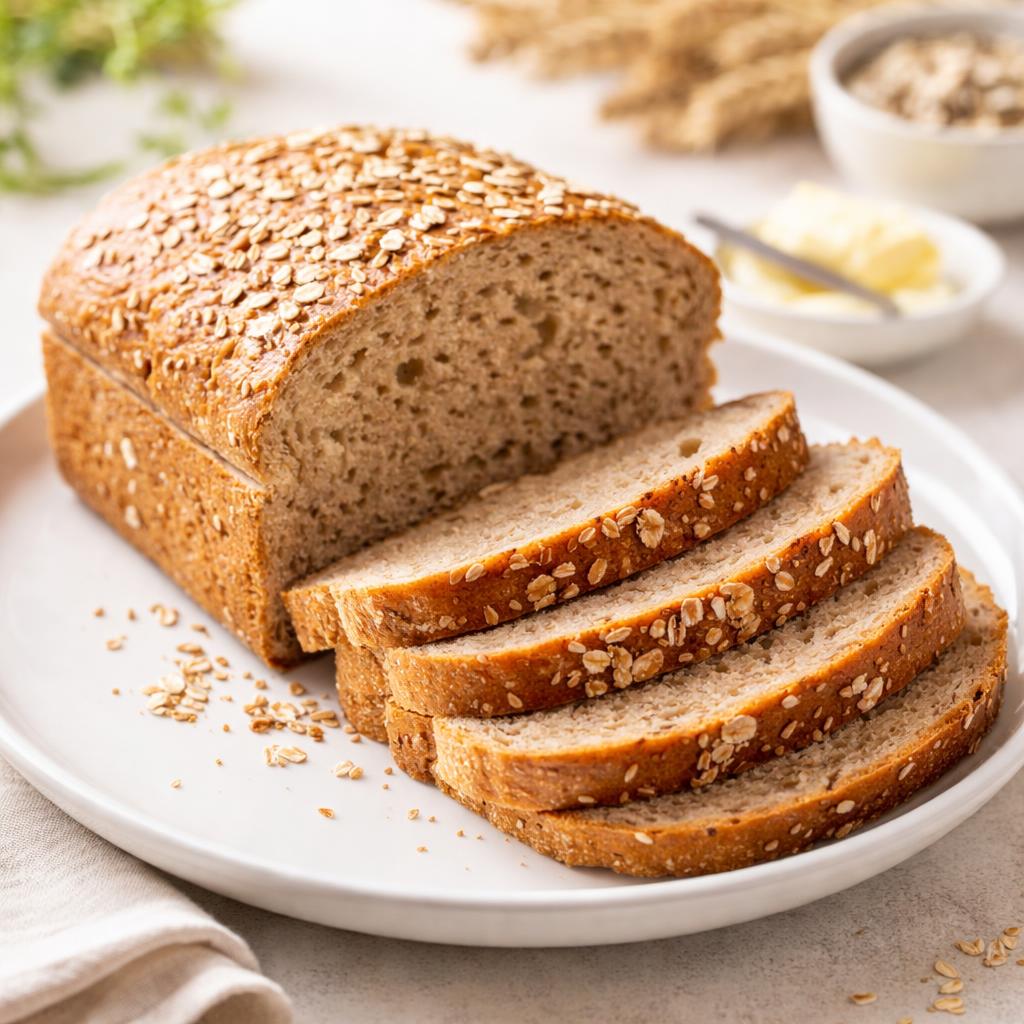
Whole Wheat Bread
🎯 Quick Verdict
Whole wheat bread is nutritionally superior to noodles in terms of protein, fiber, and calorie content. Noodles are higher in carbohydrates and lower in key vitamins and minerals, making them a good option for quick energy but less balanced overall. Bread is better suited for sustained energy and nutrient density, while noodles are suitable for occasional indulgence or carbohydrate-heavy meals.

Smart Nutrition Tracking with SnapCalorie

📊 Nutritional Comparison
Macronutrients
| Nutrient | Food 1 | Food 2 | Winner |
|---|---|---|---|
| Calories | 220 | 90 | ✓ |
| Protein | 7g | 5g | ✓ |
| Carbs | 42g | 17g | ✓ |
| Fat | 1.5g | 1g | ✓ |
| Fiber | 2g | 3g | ✓ |
Vitamins & Minerals
| Nutrient | Food 1 | Food 2 | Winner |
|---|---|---|---|
| Vitamin D | 0mcg | 0mcg | − |
| Calcium | 15mg | 30mg | ✓ |
| Iron | 0.4mg | 0.8mg | ✓ |
🏆 Category Winners
Protein
Whole wheat bread has slightly higher protein content per serving than noodles.
Fiber
Whole wheat bread is richer in fiber, supporting digestion effectively.
Calories
Bread is lower-calorie, making it more suitable for weight management diets.
Vitamins
Whole wheat bread contains more calcium and iron essential for bone and blood health.
🥗 Diet Compatibility
Keto
Food 1: Not Compatible
Food 2: Not Compatible
Both are high-carb foods.
Vegan
Food 1: Compatible
Food 2: Compatible
Both are plant-based options without animal products.
Gluten Free
Food 1: Not Compatible
Food 2: Not Compatible
Both contain gluten in wheat-based ingredients.
Paleo
Food 1: Not Compatible
Food 2: Not Compatible
Neither aligns with Paleo diets due to processed grains.
Low Carb
Food 1: Not Compatible
Food 2: Not Compatible
Both foods are high in carbohydrates.
💪 Health Benefits Comparison
Food 1 Benefits
- Provides quick energy due to high carbohydrate content
- Low in fat, suitable for low-fat diets
- Convenient option for a quick meal when paired with vegetables or protein
Food 2 Benefits
- Higher fiber content supports digestion and satiety
- Contains more calcium and iron for bone and blood health
- Lower calorie content aids in weight management
✅ The Bottom Line
Whole wheat bread is nutritionally better than noodles due to higher fiber, protein, and vitamin content, and lower calories. It is ideal for balanced meals and better digestion. Noodles, with their higher carbohydrate content, are best for quick energy or carb-loading, but lack essential nutrients.
Choose Food 1 for: Quick energy meals, carb-heavy diets, occasional indulgence
Choose Food 2 for: Balanced nutrition, sustained energy, weight management


