Noodles VS Steamed Rice
A detailed nutritional comparison
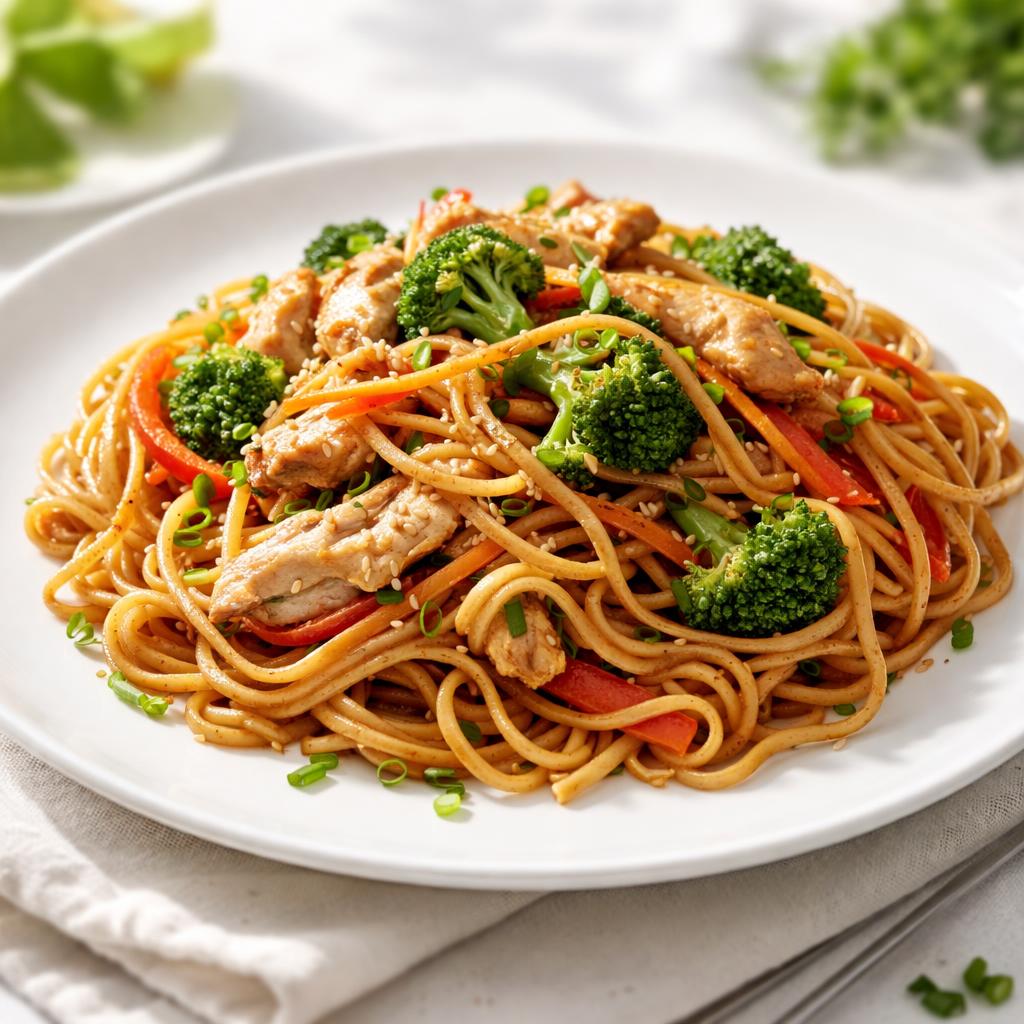
Noodles
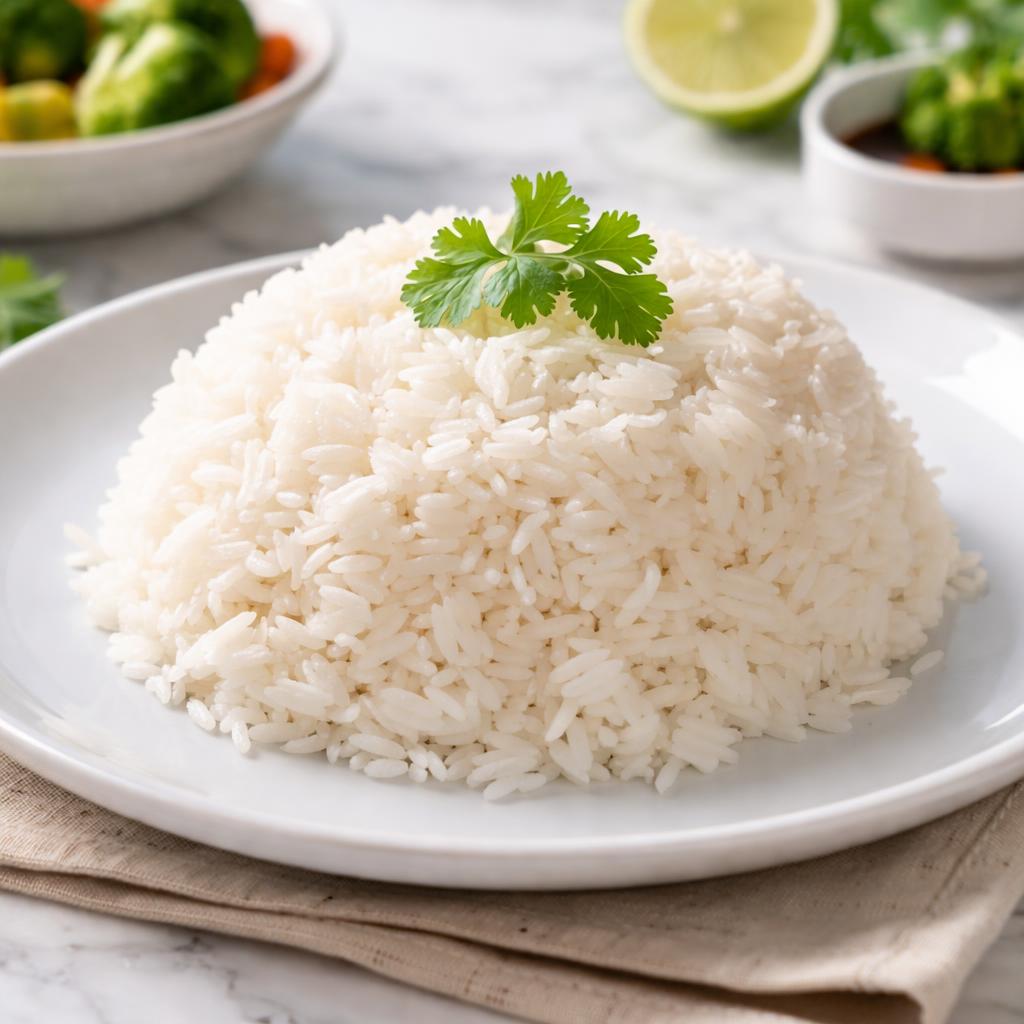
Steamed Rice
🎯 Quick Verdict
Noodles and steamed rice differ significantly in their macronutrient content. Noodles offer higher protein and fiber, making them a better choice for individuals wanting a more filling meal, whereas steamed rice is lower in calories and can fit better into diets focusing on simplicity and energy balance. Both are versatile staples depending on dietary needs and preferences.

Smart Nutrition Tracking with SnapCalorie

📊 Nutritional Comparison
Macronutrients
| Nutrient | Food 1 | Food 2 | Winner |
|---|---|---|---|
| Calories | 220 | 130 | ✓ |
| Protein | 7g | 2.1g | ✓ |
| Carbs | 38g | 28g | ✓ |
| Fat | 2g | 0.3g | ✓ |
| Fiber | 2.5g | 0.3g | ✓ |
Vitamins & Minerals
| Nutrient | Food 1 | Food 2 | Winner |
|---|---|---|---|
| Vitamin B1 (Thiamine) | 0.4mg | 0.02mg | ✓ |
| Iron | 1.5mg | 0.2mg | ✓ |
| Magnesium | 22mg | 9mg | ✓ |
🏆 Category Winners
Protein
Noodles provide over three times the protein content compared to rice.
Fiber
Noodles contain significantly more fiber, beneficial for digestion.
Calories
Rice has 40% fewer calories than noodles per serving.
🥗 Diet Compatibility
Keto
Food 1: Not Compatible
Food 2: Not Compatible
Both foods are high in carbohydrates.
Vegan
Food 1: Compatible
Food 2: Compatible
Both are plant-based and do not include animal products.
Gluten Free
Food 1: Not Compatible
Food 2: Compatible
Rice is naturally gluten-free, while noodles typically contain wheat and gluten unless specified otherwise.
Paleo
Food 1: Not Compatible
Food 2: Compatible
Rice aligns with paleo for some versions but noodles do not fit within strict paleo guidelines.
Low-Carb
Food 1: Not Compatible
Food 2: Not Compatible
Both foods are carb-dense and unsuitable for low-carb diets.
💪 Health Benefits Comparison
Food 1 Benefits
- Good source of protein for muscle maintenance
- Contains fiber to aid digestion and promote satiety
- Provides B vitamins, crucial for energy metabolism
Food 2 Benefits
- Low in fat and calories, ideal for weight management
- Gluten-free, suitable for individuals with celiac disease or gluten intolerance
- Provides easily digestible energy for quick fuel
✅ The Bottom Line
Choose noodles for higher satiety, protein, and fiber, making them a better option for more filling meals and added nutrients. On the other hand, steamed rice has fewer calories, making it an excellent choice for lighter meals or those managing caloric intake. It is also gluten-free, catering to restricted diets.
Choose Food 1 for: High-protein meals, digestion support, filling energy
Choose Food 2 for: Weight management, gluten-free diets, quick energy boosts


