Noodles VS Raw Rice
A detailed nutritional comparison
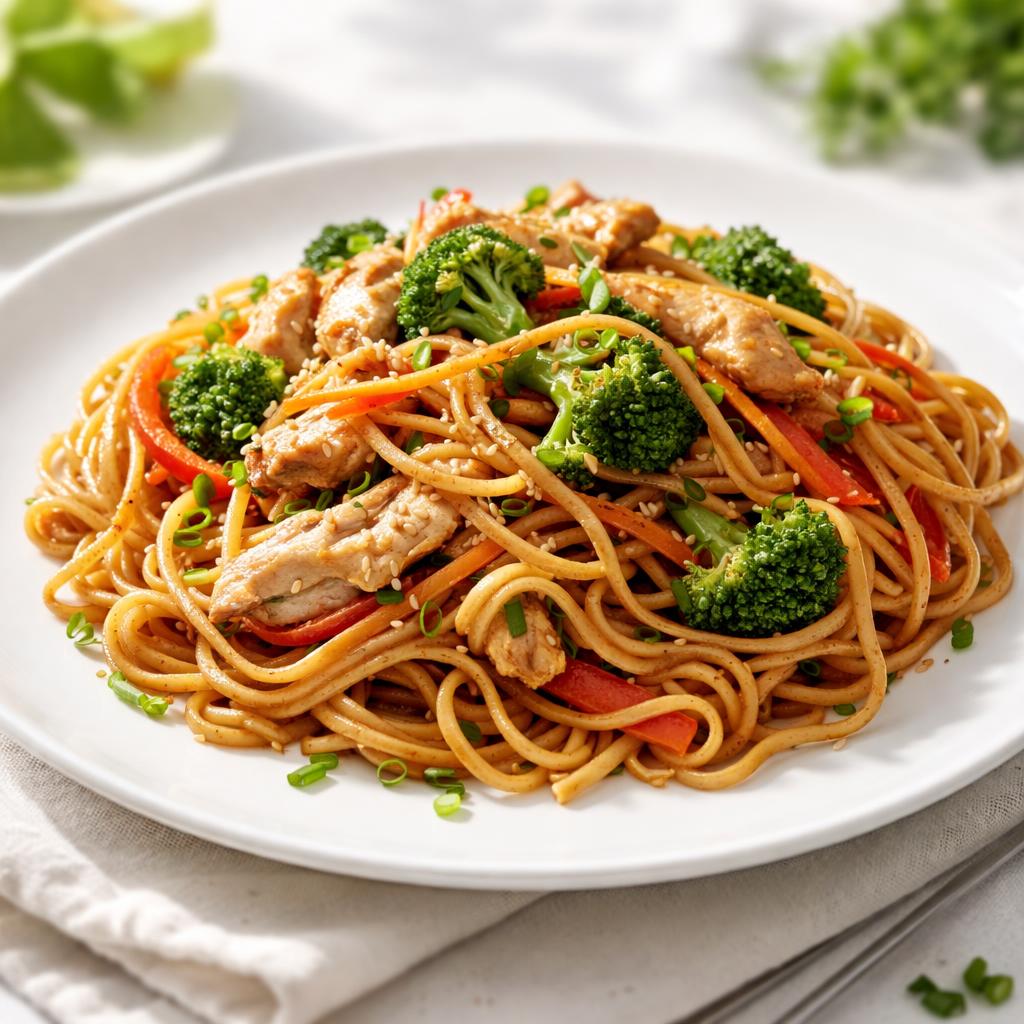
Noodles
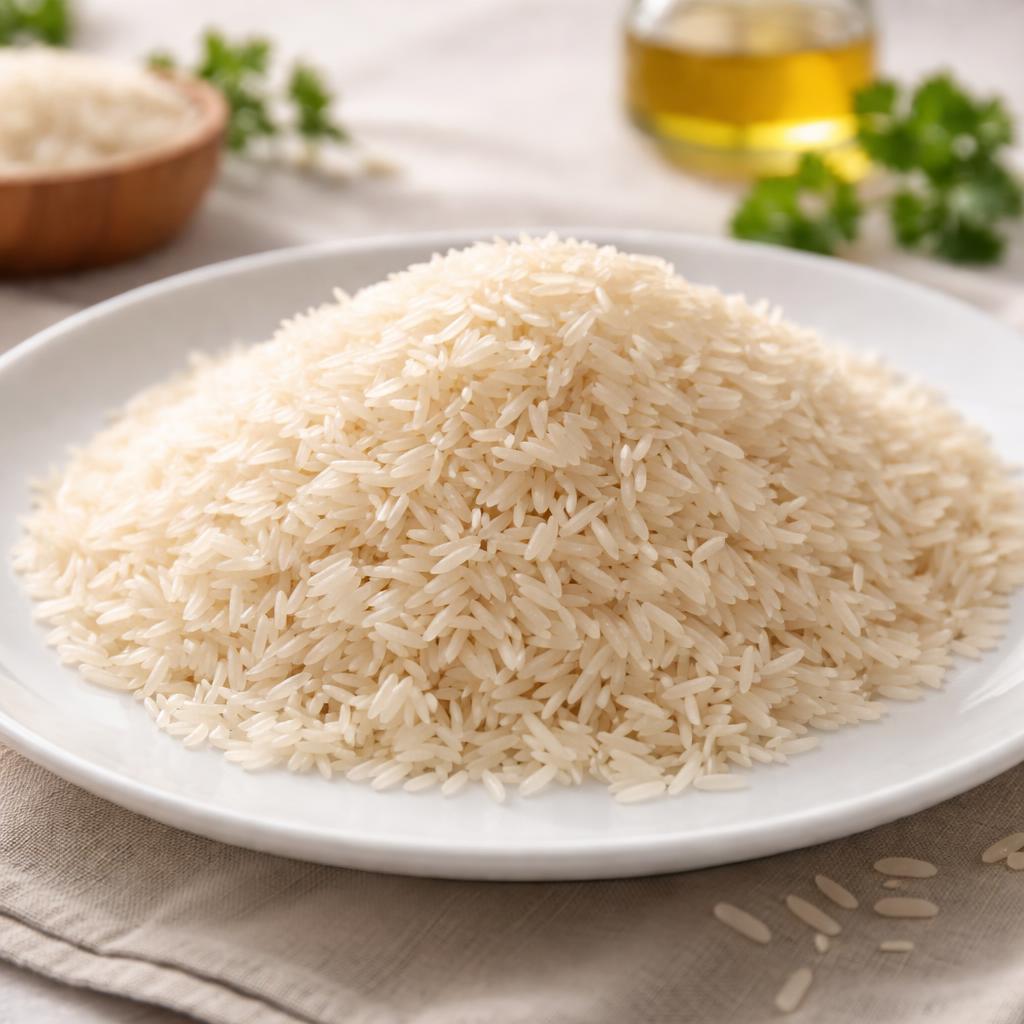
Raw Rice
🎯 Quick Verdict
Raw rice is lower in calories and provides more carbohydrates, making it a better option for energy-focused diets. Noodles have higher fiber content, making them better for digestion and satiety. Both offer comparable protein levels, but their use cases differ based on dietary and cooking preferences.

Smart Nutrition Tracking with SnapCalorie

📊 Nutritional Comparison
Macronutrients
| Nutrient | Food 1 | Food 2 | Winner |
|---|---|---|---|
| Calories | 220g per 100g | 130g per 100g | ✓ |
| Protein | 7g per 100g | 7g per 100g | − |
| Carbs | 33g per 100g | 28g per 100g | ✓ |
| Fat | 3g per 100g | 0.5g per 100g | ✓ |
| Fiber | 2.8g per 100g | 0.3g per 100g | ✓ |
Vitamins & Minerals
| Nutrient | Food 1 | Food 2 | Winner |
|---|---|---|---|
| Vitamin D | 0mcg | 0mcg | − |
| Calcium | 18mg | 10mg | ✓ |
| Iron | 1.3mg | 0.8mg | ✓ |
🏆 Category Winners
Protein
Both noodles and raw rice contain 7g of protein per 100g serving.
Fiber
Noodles have 2.8g of fiber compared to 0.3g in raw rice.
Calories
Food2 (raw rice) has 40% fewer calories per 100g than noodles.
🥗 Diet Compatibility
Keto
Food 1: Not Compatible
Food 2: Not Compatible
Both are high in carbs, making them unsuitable for a keto diet.
Vegan
Food 1: Compatible
Food 2: Compatible
Neither contains animal-derived ingredients.
Gluten Free
Food 1: Not Compatible
Food 2: Compatible
Noodles often contain gluten, whereas rice is naturally gluten-free.
Paleo
Food 1: Not Compatible
Food 2: Compatible
Raw rice fits paleo guidelines, while noodles do not due to their processing.
Low Carb
Food 1: Not Compatible
Food 2: Not Compatible
Both foods are carb-heavy and unsuitable for low-carb diets.
💪 Health Benefits Comparison
Food 1 Benefits
- Higher fiber for improved digestion and satiety
- Contains iron, supporting healthy blood oxygen transport
- Low fat, making it suitable for low-fat diets
Food 2 Benefits
- Energy-dense carbohydrates for sustained energy release
- Naturally gluten-free, suitable for sensitive diets
- Rich in essential minerals like manganese for bone health
✅ The Bottom Line
Raw rice is better for lower-calorie diets, gluten-free, and paleo meal plans, providing sustained energy with fewer fats. Choose noodles for increased fiber and quick meal preparation, especially for digestion-focused or high-satiety meals. The decision depends on dietary goals and preferences.
Choose Food 1 for: Digestive health, high-satiety meals, vegan diets
Choose Food 2 for: Energy-focused diets, gluten-free or paleo plans, lower-calorie intake


