Noodles VS Boiled Rice
A detailed nutritional comparison
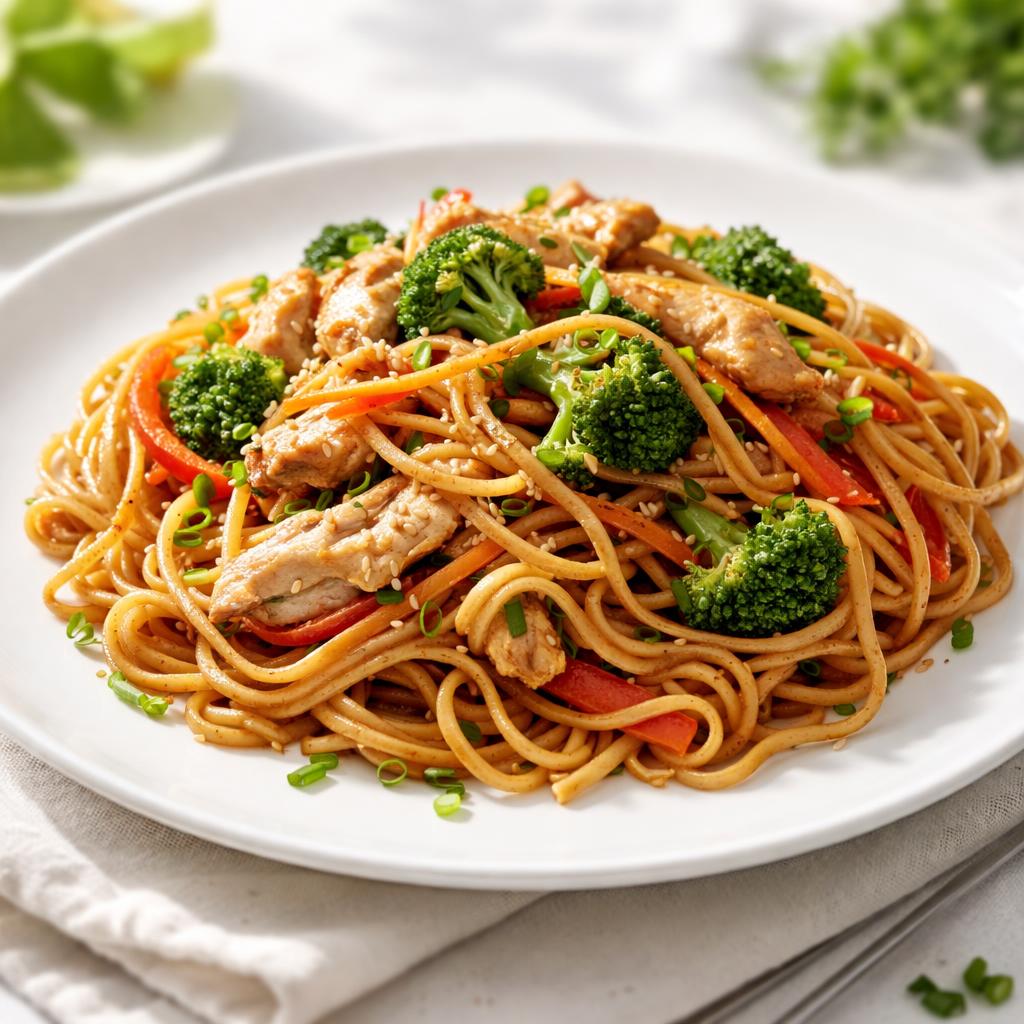
Noodles
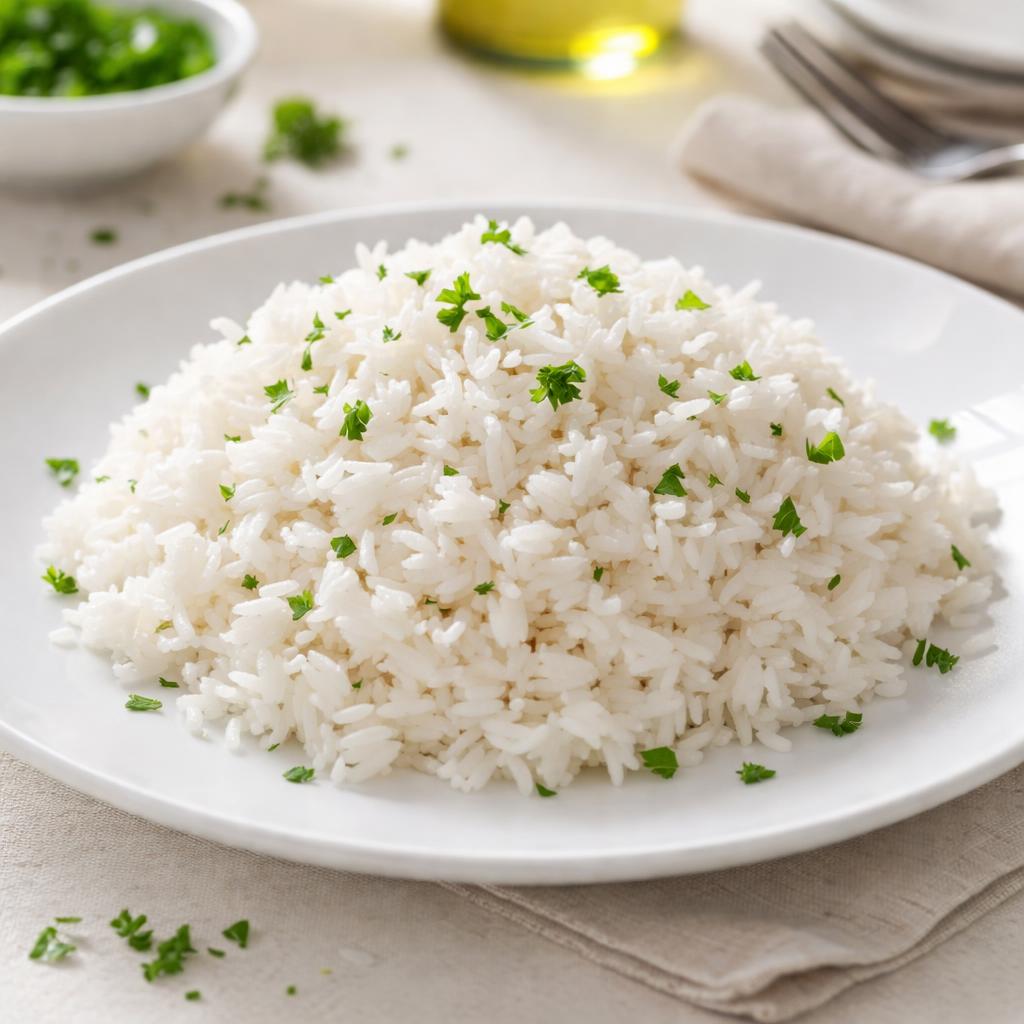
Boiled Rice
🎯 Quick Verdict
Boiled rice (Food 2) is lower in calories, more versatile for light meals, and provides sustained energy due to its higher carbohydrate content. Noodles (Food 1) offer more protein and fiber per serving, making them better for satiety and muscle-building diets. Choose noodles for more micronutrients, but rice for simpler, low-calorie meals.

Smart Nutrition Tracking with SnapCalorie

📊 Nutritional Comparison
Macronutrients
| Nutrient | Food 1 | Food 2 | Winner |
|---|---|---|---|
| Calories | 220 per cup | 160 per cup | ✓ |
| Protein | 8g per cup | 4g per cup | ✓ |
| Carbs | 40g per cup | 35g per cup | ✓ |
| Fat | 2g per cup | 0.5g per cup | ✓ |
| Fiber | 3g per cup | 0.5g per cup | ✓ |
Vitamins & Minerals
| Nutrient | Food 1 | Food 2 | Winner |
|---|---|---|---|
| Vitamin D | 0mcg | 0mcg | − |
| Calcium | 20mg | 10mg | ✓ |
| Iron | 1.5mg | 0.5mg | ✓ |
🏆 Category Winners
Protein
Noodles provide 100% more protein than rice.
Fiber
Noodles provide significantly more fiber, promoting better digestion.
Calories
Boiled rice has 27% fewer calories per serving.
Vitamins
Noodles contain slightly higher levels of calcium and iron.
🥗 Diet Compatibility
Keto
Food 1: Not Compatible
Food 2: Not Compatible
Both are high-carb and unsuitable for a keto diet.
Vegan
Food 1: Compatible
Food 2: Compatible
Both foods are plant-based and vegan-friendly.
Gluten Free
Food 1: Not Compatible
Food 2: Compatible
Rice is naturally gluten-free, while noodles often contain wheat.
Paleo
Food 1: Not Compatible
Food 2: Compatible
Rice is permitted in some paleo variations, while noodles are not.
Low-Carb
Food 1: Not Compatible
Food 2: Not Compatible
Both have over 30g carbs per serving and are not low-carb.
💪 Health Benefits Comparison
Food 1 Benefits
- Rich source of protein for muscle maintenance
- High fiber content for improved digestion
- Provides more micronutrients like calcium and iron
Food 2 Benefits
- Lower in calories for weight management
- Easy to digest and gentle on the stomach
- Provides sustained energy due to its complex carbs
✅ The Bottom Line
Choose noodles when higher protein, fiber, and micronutrients are needed, such as for muscle-building diets or hearty meals. Opt for rice for low-calorie, light meals or gluten-free diets. Both can complement various dishes, but rice is typically more versatile for broader dietary needs.
Choose Food 1 for: Muscle-building diets, high-fiber meals, nutrient-dense dishes
Choose Food 2 for: Weight management, gluten-free diets, light and easy digestion


